Checking an adult’s pulse is a fundamental skill in BLS, First Aid, and CPR. It allows responders to quickly assess the heart’s rhythm and determine if immediate intervention is needed.
An accurate pulse check can inform whether CPR or other BLS measures should be initiated, and it is often the first step in evaluating a patient’s overall condition. Understanding how to help an adult during a medical emergency ensures faster response and potentially saves lives.
Recognizing When to Check an Adult’s Pulse
Pulse assessment is essential whenever an adult appears unresponsive, is experiencing chest pain, or shows signs of severe distress.
Situations that require pulse checks include:
- Sudden collapse or fainting
- Unresponsiveness with abnormal or absent breathing
- Suspected cardiac events or severe trauma
- After an accident, drowning, or choking
Knowing when to check a pulse helps responders act quickly and demonstrates clear how to save strategies in life-threatening situations.
Preparing for Pulse Assessment
Preparation is key for accurate and safe pulse measurement. Proper positioning and a calm approach ensure reliable readings.
Steps include:
- Ensure the environment is safe for both you and the patient
- Place the adult on a firm, flat surface
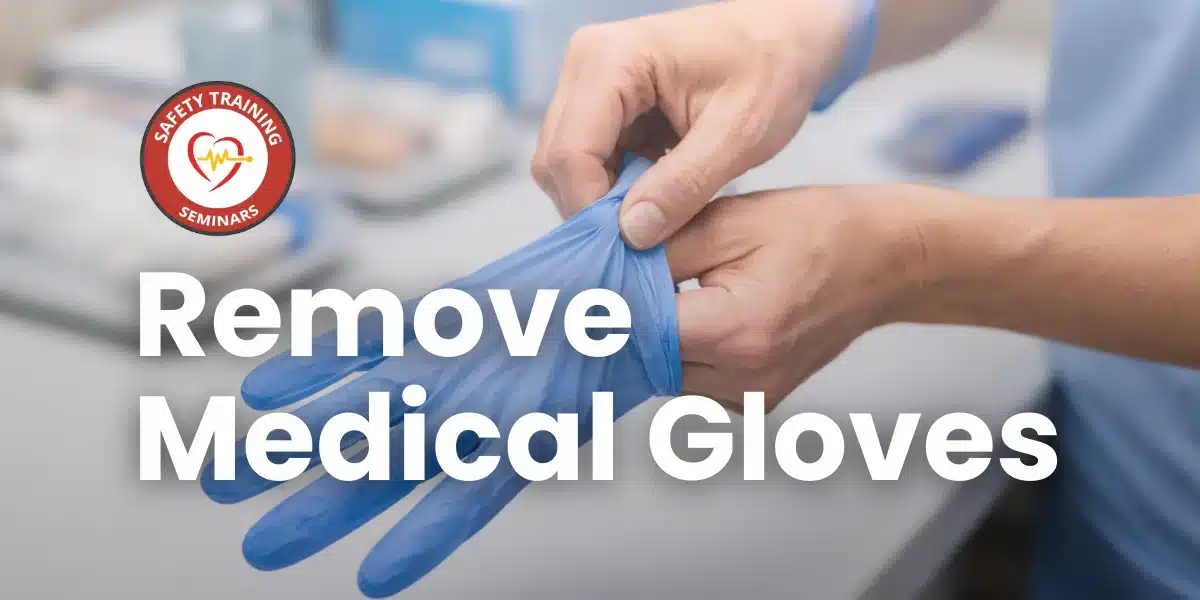
- Wash hands and wear gloves if bodily fluids are present
- Keep tools like a watch or timer ready for accurate pulse counting
Being prepared reflects a professional approach to First Aid and BLS, ensuring efficiency and safety during emergency assessments.
Identifying Pulse Points in Adults
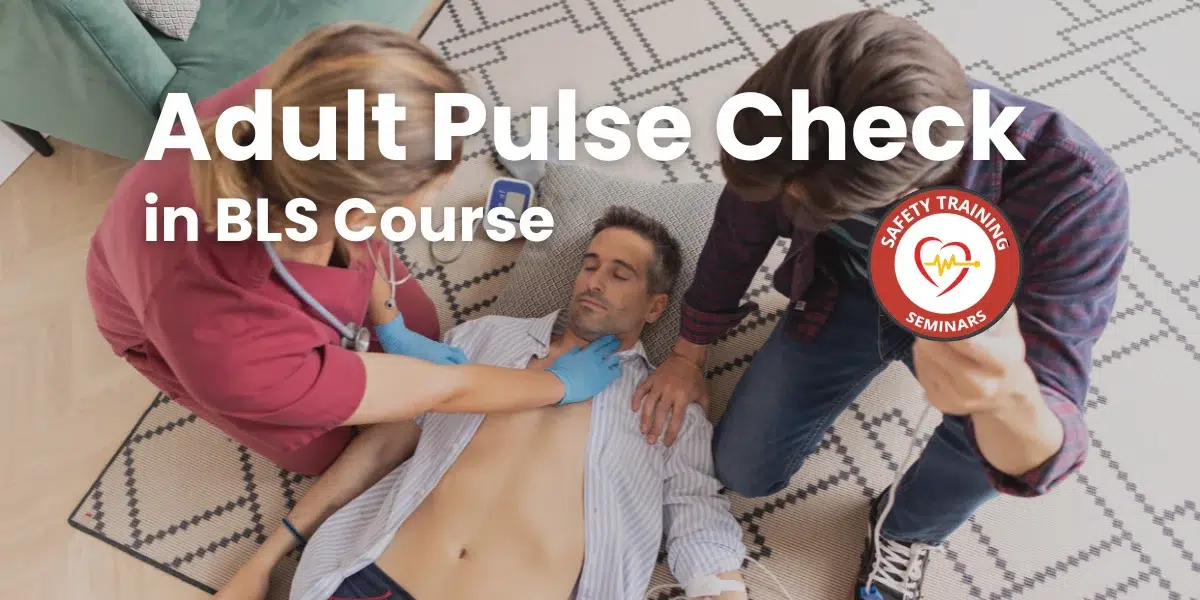
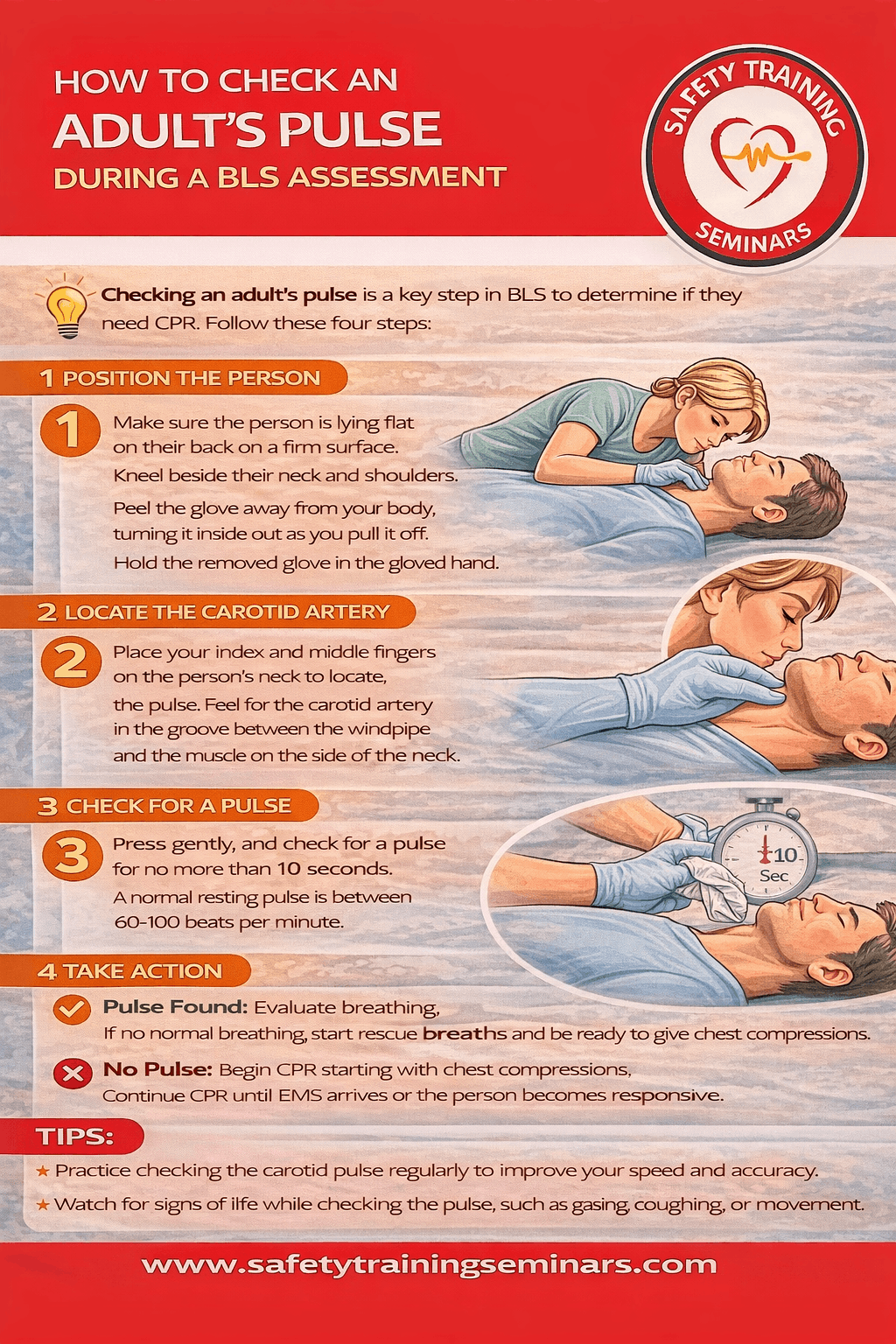
Adults have multiple pulse points, but the most commonly used in BLS assessment are the carotid and radial arteries. Knowing which to use is vital for accurate results.
- Carotid pulse: Located on either side of the neck, next to the windpipe; preferred in unresponsive adults.
- Radial pulse: Located on the wrist, thumb side; easier to check in conscious adults.
To check the pulse:
- Use the tips of your index and middle fingers
- Apply gentle pressure; avoid using the thumb, which has its own pulse
- Feel for a regular beat and note rhythm, strength, and speed
Identifying the correct pulse point demonstrates how to help while maintaining the patient’s safety.
Performing the Pulse Check
An accurate pulse check requires technique, attention, and patience.
Steps include:
- Place fingers on the carotid artery (unresponsive adult) or radial artery (conscious adult)
- Count the beats for at least 30–60 seconds for accuracy
- Assess the pulse rate: normal adult heart rate ranges from 60–100 beats per minute
- Observe for irregularities, such as weak, rapid, or absent pulses
If the pulse is absent or extremely weak, initiate CPR immediately, showing how to save the patient effectively.
Monitoring While Preparing for BLS Interventions
Pulse assessment is only the first step in a BLS response. Continuous monitoring allows responders to adjust care according to the patient’s condition.
Monitoring tips include:
- Observe breathing patterns alongside pulse
- Reassess pulse regularly during ongoing care
- Track changes in skin color, responsiveness, and movement
- Communicate with bystanders or team members to ensure coordinated action
Ongoing observation reinforces proper First Aid and BLS practices and ensures effective, life-saving intervention.
Common Mistakes to Avoid During Pulse Checks
Even experienced responders can make mistakes while checking an adult’s pulse. Awareness of these pitfalls ensures accuracy and safety.
Common errors include:
- Pressing too hard on the pulse point, occluding blood flow
- Checking for too short a time, resulting in misreading
- Using the thumb instead of fingers, leading to false readings
- Failing to monitor and adjust when conditions change
Avoiding these mistakes demonstrates a clear understanding of how to save lives during emergencies.
Practicing Pulse Assessment for Confidence
Hands-on practice during BLS and First Aid courses ensures responders are confident in real-life emergencies.
Benefits include:
- Faster and more accurate pulse recognition
- Enhanced decision-making regarding CPR or additional interventions
- Reduced hesitation in critical situations
- Better coordination with other emergency responders
Regular practice guarantees that caregivers know precisely how to help adults effectively when seconds count.
Integrating Pulse Checks into Overall Adult Care
Pulse assessment is part of a broader approach to emergency care. Combining it with CPR, BLS interventions, and monitoring creates a comprehensive response strategy.
Integration strategies include:
- Including pulse checks in all BLS and First Aid training sessions
- Teaching caregivers and staff to use pulse assessment alongside other vital signs
- Encouraging continuous monitoring during CPR or emergency response
- Reinforcing hand hygiene and environmental safety during assessments
This holistic approach ensures responders know how to save lives and act effectively in any situation.
Final Thoughts: Pulse Checks Save Lives
Checking an adult’s pulse during a BLS assessment is a small but critical step in emergency care. Proper technique, monitoring, and follow-up interventions determine whether CPR or other life-saving measures are necessary.
Safety Training Seminars emphasizes hands-on pulse assessment training, ensuring caregivers and healthcare professionals can act with confidence. Learning how to help adults in distress ensures every responder is prepared to save lives when it matters most.