Burns are one of the most painful and potentially dangerous injuries. They can result from heat, chemicals, electricity, or radiation, and they can damage the skin, underlying tissues, and in severe cases, organs. Understanding the severity of a burn is the first step in deciding the proper response.
Burns are typically classified into three categories:
- First-degree burns: Affect only the outer layer of the skin, causing redness and mild pain.
- Second-degree burns: Involve the outer and underlying skin layers, causing blisters, swelling, and intense pain.
- Third-degree burns: Extend through all layers of the skin and may damage underlying tissues. They often appear white or charred and may be painless due to nerve damage.
Knowing the severity helps determine which First Aid and BLS measures to apply. Acting quickly and effectively is essential to how to save a burn victim from further injury or complications.
Ensuring Safety Before Assisting a Burn Victim
Before approaching a burn victim, ensure your safety and the safety of the injured person. The scene may still pose risks such as fire, electrical hazards, or chemical exposure.
Safety precautions include:
- Moving the victim away from the source of the burn if it is safe to do so
- Avoiding direct contact with flames, chemicals, or live electrical wires
- Wearing protective gloves or clothing if available
- Calling emergency services immediately for severe burns
By securing a safe environment, you can focus on providing effective care and demonstrate how to help without putting yourself in danger.
Initial Cooling of the Burn
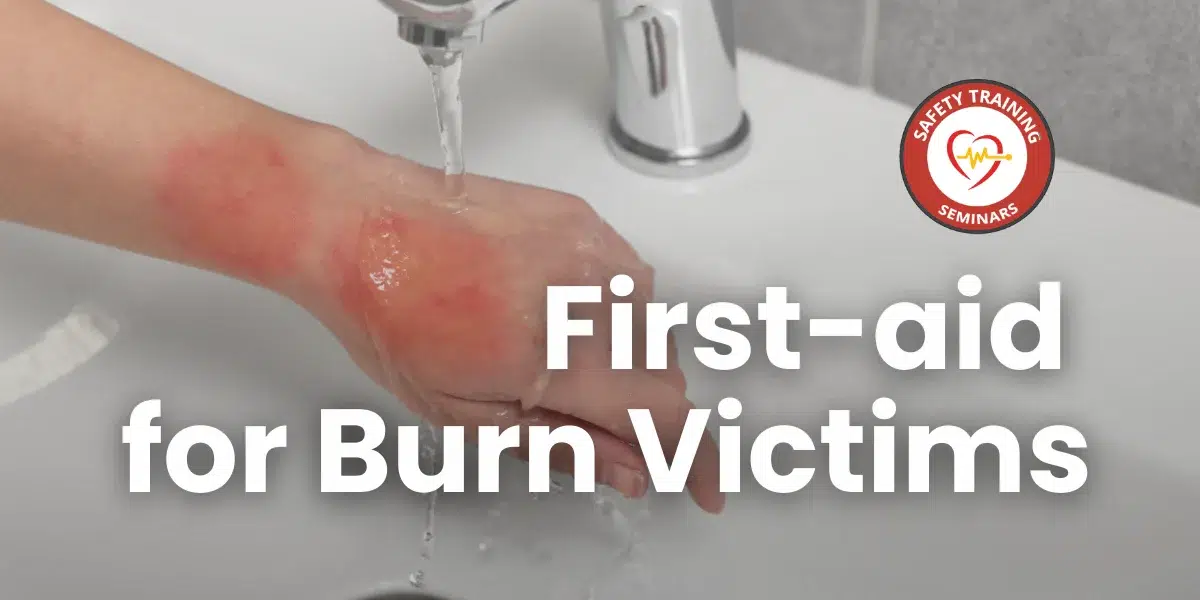
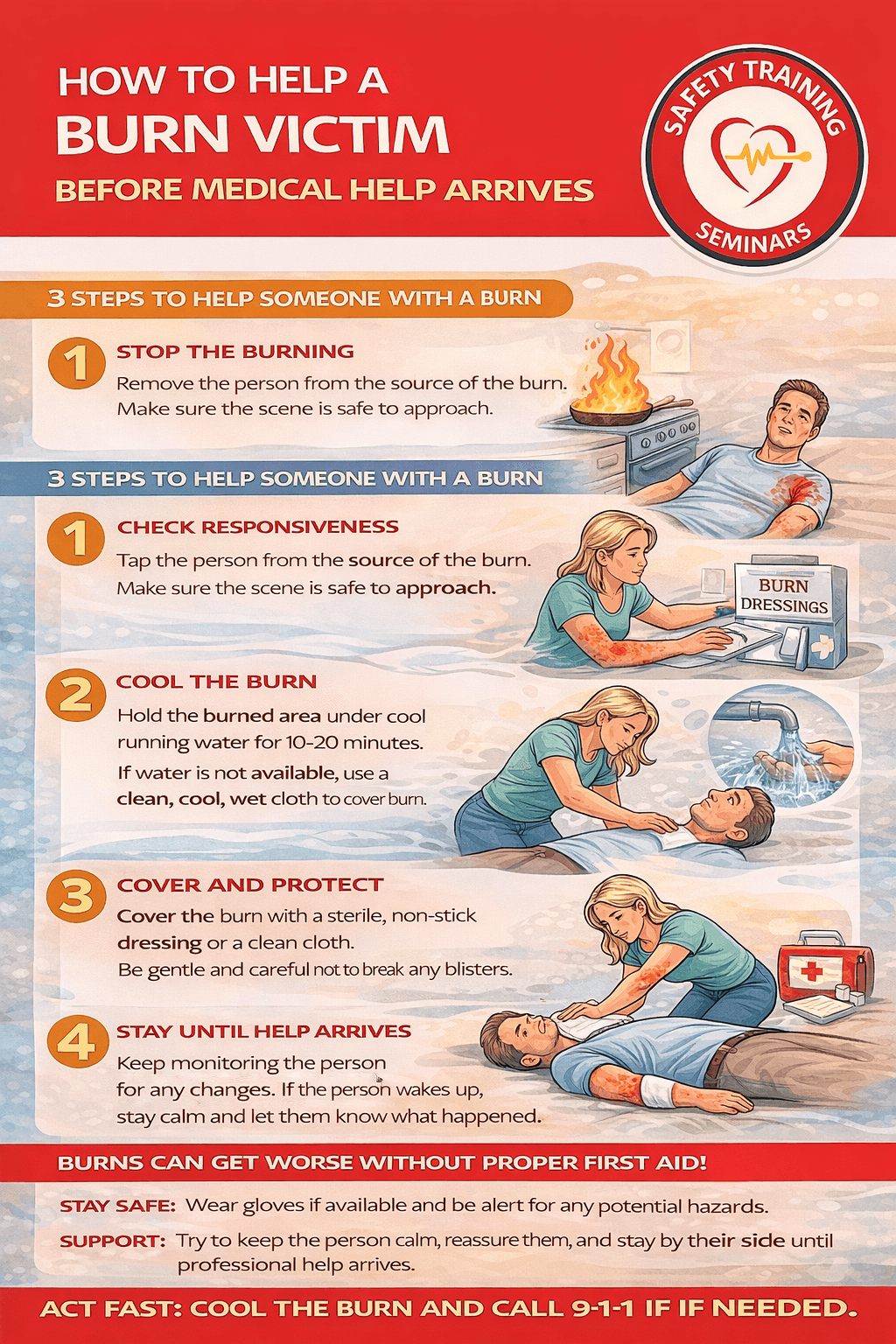
The first step in First Aid for burns is cooling the affected area. This helps reduce pain, swelling, and tissue damage.
Guidelines for cooling a burn:
- Hold the burned area under cool (not cold) running water for 10–20 minutes
- Alternatively, use a clean, cool, wet cloth to gently cover the area
- Avoid using ice, as extreme cold can cause further tissue damage
- Remove any rings, tight clothing, or jewelry near the burned area before swelling occurs
Immediate cooling is a critical step in how to save the burn victim from worsening injury and minimizing long-term damage.
Protecting the Burned Area
After cooling the burn, protecting the area is essential to prevent infection and further harm. Proper care at this stage can make a significant difference in recovery.
Protection measures include:
- Covering the burn loosely with a sterile, non-stick dressing or clean cloth
- Avoiding cotton balls or materials that can stick to the wound
- Keeping the victim calm and still to prevent additional injury
- Refraining from breaking blisters, as this increases the risk of infection
Maintaining cleanliness and gentle handling demonstrates BLS and First Aid skills and shows effective ways how to help while waiting for medical professionals.
Managing Pain and Shock
Burn injuries can cause severe pain and lead to shock, especially in extensive or deep burns. Managing these factors is a key part of early care.
Helpful strategies include:
- Keeping the victim calm and reassured
- Elevating burned limbs if possible to reduce swelling
- Covering the victim with a light blanket to maintain warmth, but avoid covering burned areas directly
- Offering fluids if the victim is conscious and able to swallow
By addressing pain and preventing shock, you improve the victim’s stability and demonstrate practical First Aid and BLS knowledge.
Monitoring the Victim’s Condition
Continuous monitoring is crucial until professional help arrives. Burn victims may develop complications such as breathing difficulties, infection, or worsening shock.
Monitoring steps include:
- Checking breathing and pulse regularly
- Observing for signs of difficulty breathing, especially if the burn involves the face, neck, or chest
- Watching for changes in consciousness or alertness
- Being prepared to perform CPR if the victim becomes unresponsive
Monitoring ensures prompt action if the condition worsens, highlighting how to save a life in emergency situations.
Avoiding Common Mistakes in Burn First Aid
Certain well-meaning actions can worsen a burn if not handled properly. Being aware of these mistakes ensures safe and effective care.
Common mistakes to avoid:
- Applying butter, oils, or toothpaste to the burn, which can trap heat and cause infection
- Using ice or extremely cold water directly on the skin
- Popping blisters or peeling off burned skin
- Delaying medical care for severe burns
Avoiding these errors demonstrates competence in how to help and ensures that your interventions support recovery rather than harm.
Educating Communities on Burn Safety
Community awareness and training in burn response can save lives. Teaching people First Aid, CPR, and BLS skills ensures rapid and effective response in emergencies.
Benefits of community education include:
- Reduced severity and complications from burn injuries
- Faster response in both domestic and public settings
- Empowered individuals capable of acting decisively in emergencies
- Safer environments in workplaces, schools, and recreational areas
Education transforms bystanders into proactive responders who can how to save lives confidently.
Final Thoughts: Quick Action Saves Lives
Burn emergencies demand calm, informed, and immediate action. By recognizing severity, ensuring safety, cooling and protecting the burn, managing pain and shock, and monitoring the victim, you maximize survival and recovery chances.
Safety Training Seminars emphasizes hands-on skills for practical application in real-world emergencies. Knowing how to help a burn victim before medical assistance arrives can make a life-saving difference. Every moment matters, and proper care can prevent complications and improve outcomes.