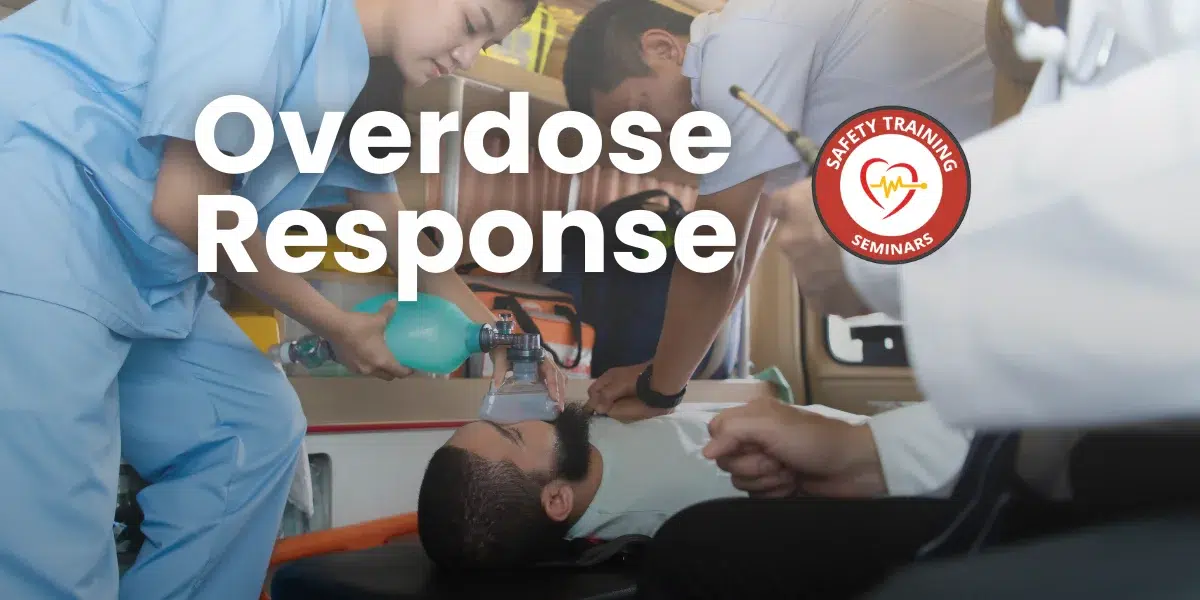
A drug overdose occurs when someone consumes more of a substance than their body can safely process. Overdoses can result from prescription medications, illicit drugs, or even accidental ingestion of common substances. These emergencies can lead to slowed or stopped breathing, unconsciousness, and cardiac arrest if not addressed promptly.
Knowing how to help in an overdose situation can literally save a life. First Aid, CPR, and BLS training equips bystanders with the knowledge and confidence to intervene quickly and effectively, reducing the risk of permanent damage or death.
Recognizing the Signs of an Overdose
Immediate recognition of an overdose is critical. The faster you identify the signs, the sooner you can act to prevent life-threatening complications.
Common signs include:
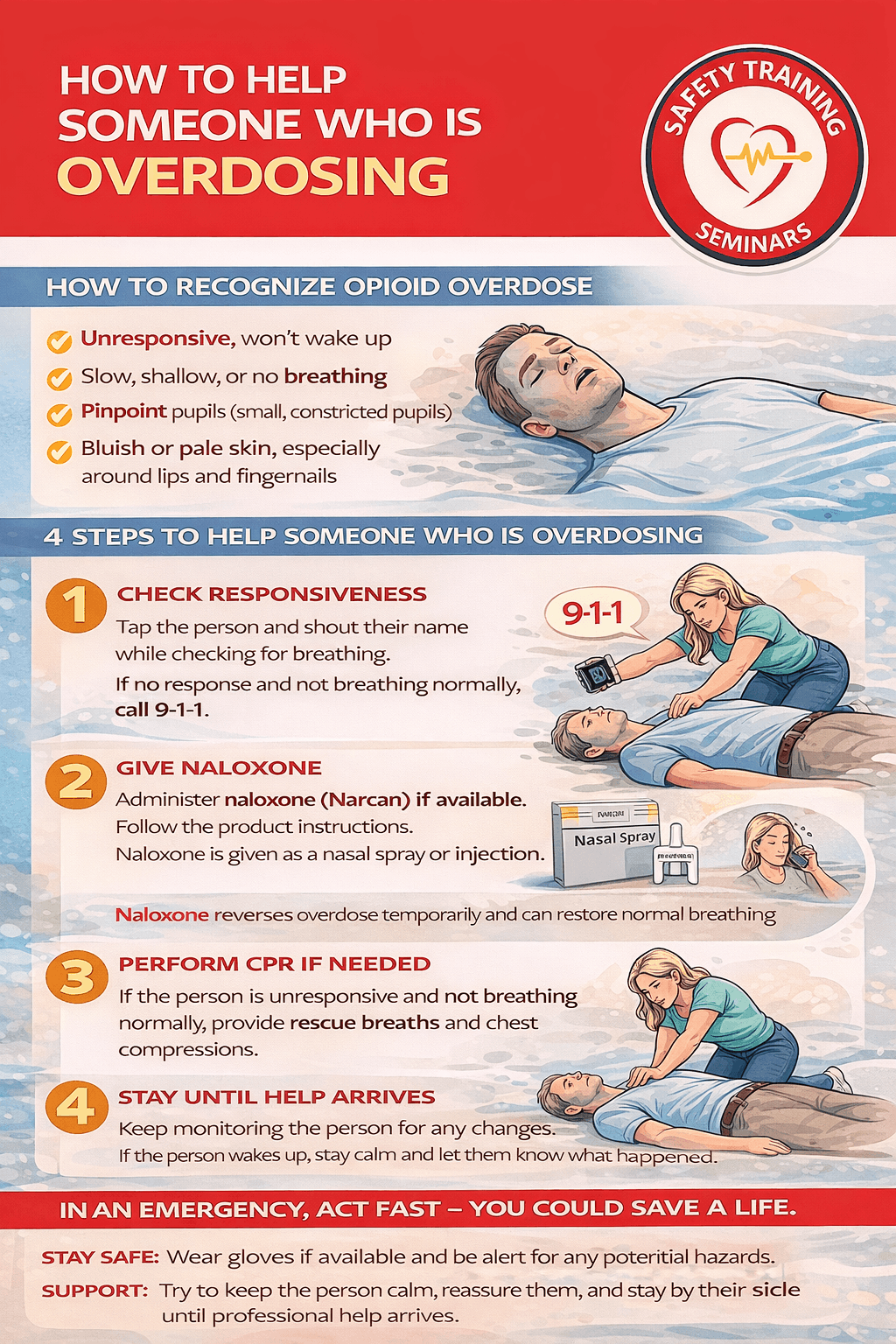
- Unresponsiveness or unconsciousness
- Slow, irregular, or absent breathing
- Blue or pale lips and fingertips
- Vomiting or choking
- Seizures or extreme confusion
Being able to spot these symptoms ensures you know how to save someone in a critical moment. Quick action can stabilize the victim until professional help arrives.
Ensuring Safety Before Assisting
Before approaching an individual who is overdosing, your safety is paramount. Certain drugs may pose risks if spilled or if the individual behaves unpredictably.
Safety steps include:
- Assessing the environment for potential hazards
- Wearing gloves if available to prevent contact with substances
- Ensuring the area is safe to provide care
- Calling emergency services immediately while preparing to assist
By prioritizing safety, you can focus on effective First Aid and prevent yourself from becoming another victim in the process.
Providing Immediate Life-Saving Measures
Once safety is ensured, rapid intervention is essential. Proper BLS and CPR techniques may be required if the individual’s breathing or pulse is compromised.
Steps to follow:
- Check responsiveness by gently shaking the person and calling their name
- Position the victim on their side if vomiting occurs to prevent choking
- Open the airway and ensure unobstructed breathing
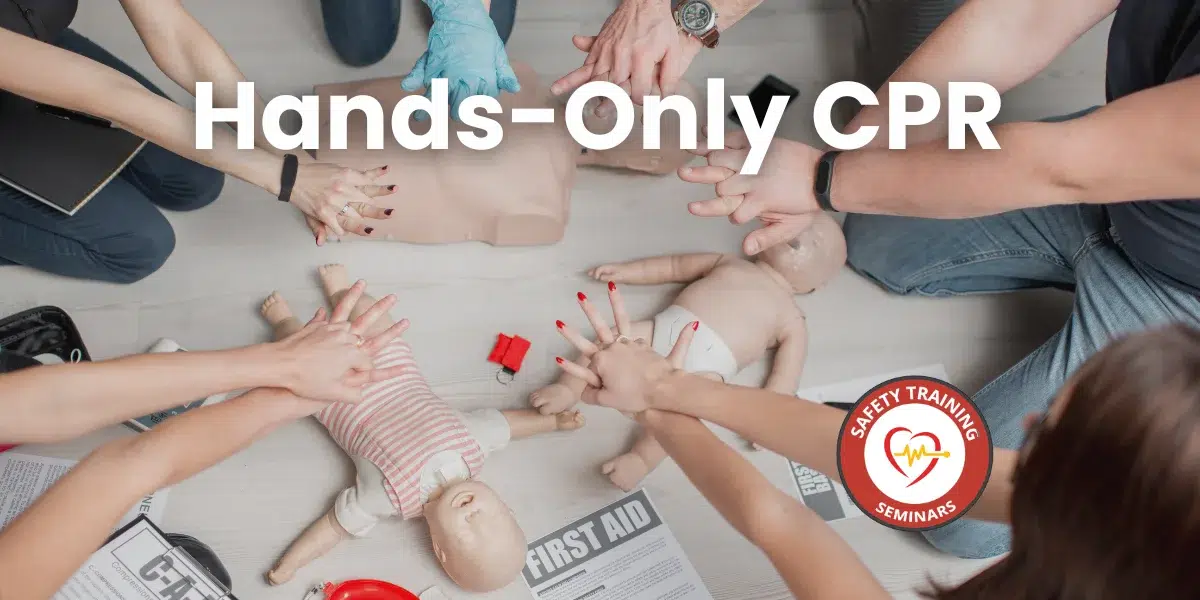
- If the person is not breathing or has no pulse, begin chest compressions immediately
- Continue CPR until medical professionals arrive or the victim shows signs of recovery
These steps highlight practical ways how to help someone survive an overdose, emphasizing speed and precision.
Using Naloxone or Other Emergency Medications
In cases of opioid overdose, administering naloxone (Narcan) can temporarily reverse the effects of the drugs, restoring breathing and consciousness.
Key points for using naloxone:
- Follow the instructions on the product carefully
- Administer the recommended dose via nasal spray or injection
- Monitor the individual closely, as multiple doses may be needed
- Always call emergency services, even if the person regains consciousness
Using emergency medications effectively demonstrates how to save a life while waiting for professional care.
Monitoring the Victim After Intervention
Continuous observation is vital after initial intervention. Even after responding to an overdose, complications can arise, requiring ongoing vigilance.
Monitoring steps include:
- Keeping track of breathing and pulse
- Watching for signs of relapse or recurring symptoms
- Keeping the victim calm and reassuring them
- Being prepared to resume CPR if necessary
- Avoiding leaving the individual alone until help arrives
This ongoing care ensures the victim remains stable and highlights the importance of BLS and First Aid knowledge in overdose emergencies.
Preventing Overdoses and Raising Awareness
While immediate intervention is critical, prevention and awareness are equally important. Understanding risk factors and promoting education can reduce overdose incidents in the community.
Prevention strategies include:
- Educating about proper medication use and storage
- Raising awareness of the dangers of combining drugs or alcohol
- Providing access to naloxone kits in high-risk areas
- Encouraging open conversations about addiction and support resources
By increasing awareness and preparedness, communities become empowered to act, demonstrating how how to help extends beyond emergency response.
Educating Communities on Overdose Response
Community education ensures that bystanders can respond effectively during an overdose emergency. Training in First Aid, CPR, and BLS equips individuals with the confidence and skills needed to save lives.
Community benefits include:
- Faster response in overdose emergencies
- Reduced hesitation among bystanders
- Increased survival rates due to immediate intervention
- Safer environments through knowledge and preparedness
Public education turns ordinary people into proactive life-saving responders, showing that every bystander can make a difference.
Final Thoughts: Quick Action Can Save Lives
Drug overdoses are life-threatening emergencies that require immediate recognition and intervention. Ensuring safety, performing First Aid and CPR, using emergency medications when available, and monitoring the victim are all crucial steps to prevent further harm.
Safety Training Seminars provides practical, hands-on training to teach people how to help in real-life emergencies. Quick, knowledgeable action can mean the difference between life and death. Every second counts, and preparedness can save a life.