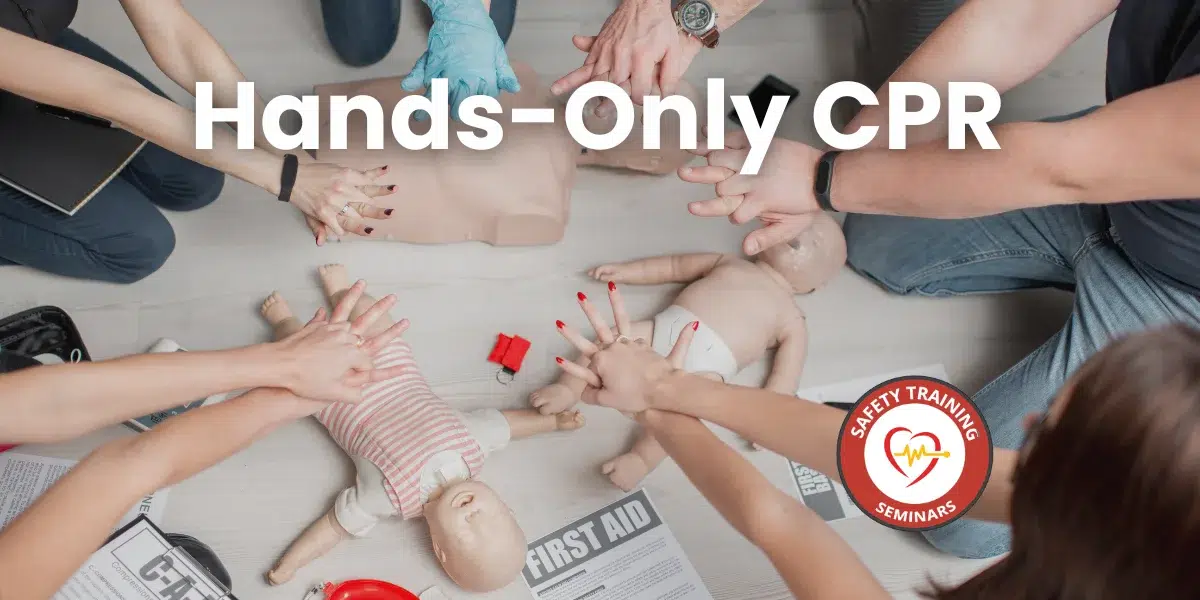
Cardiac emergencies can strike without warning, and immediate intervention can make the difference between life and death. Hands-only CPR is a technique that focuses solely on chest compressions to maintain blood flow to the heart and brain. This method is designed for bystanders and untrained rescuers who may hesitate to perform mouth-to-mouth resuscitation.
Knowing how to help someone in cardiac arrest using hands-only CPR empowers everyday people to act decisively. By learning the technique, you can maintain vital circulation until professional medical assistance arrives, dramatically improving the chance to save a life.
Recognizing Cardiac Arrest Quickly
Before performing hands-only CPR, it is critical to recognize when it is needed. Cardiac arrest occurs when the heart suddenly stops beating effectively, often without warning. Immediate action is essential.
Signs of cardiac arrest include:
- Sudden collapse or unresponsiveness
- No normal breathing or only gasping
- Absence of a detectable pulse
- Sudden chest pain prior to collapse
Quick recognition allows you to respond immediately. Time is the most crucial factor, and knowing these signs demonstrates how BLS and First Aid training can make a real difference.
Ensuring Safety Before Providing Help
Safety is the first priority before helping someone in cardiac arrest. You must ensure the environment is safe for both you and the victim.
Essential safety steps include:
- Quickly scanning the area for hazards such as traffic, sharp objects, or water
- Wearing gloves or using a barrier if blood or bodily fluids are present
- Positioning the person on a flat, firm surface for effective compressions
- Making sure you can perform CPR without obstruction
By securing a safe environment, you can focus on delivering high-quality care and effectively demonstrate how to help someone in a critical situation.
Performing Hands-Only CPR: Step-by-Step Guide
Hands-only CPR is simple but highly effective when performed correctly. It focuses on chest compressions to keep blood flowing to vital organs.
Step-by-step guide:
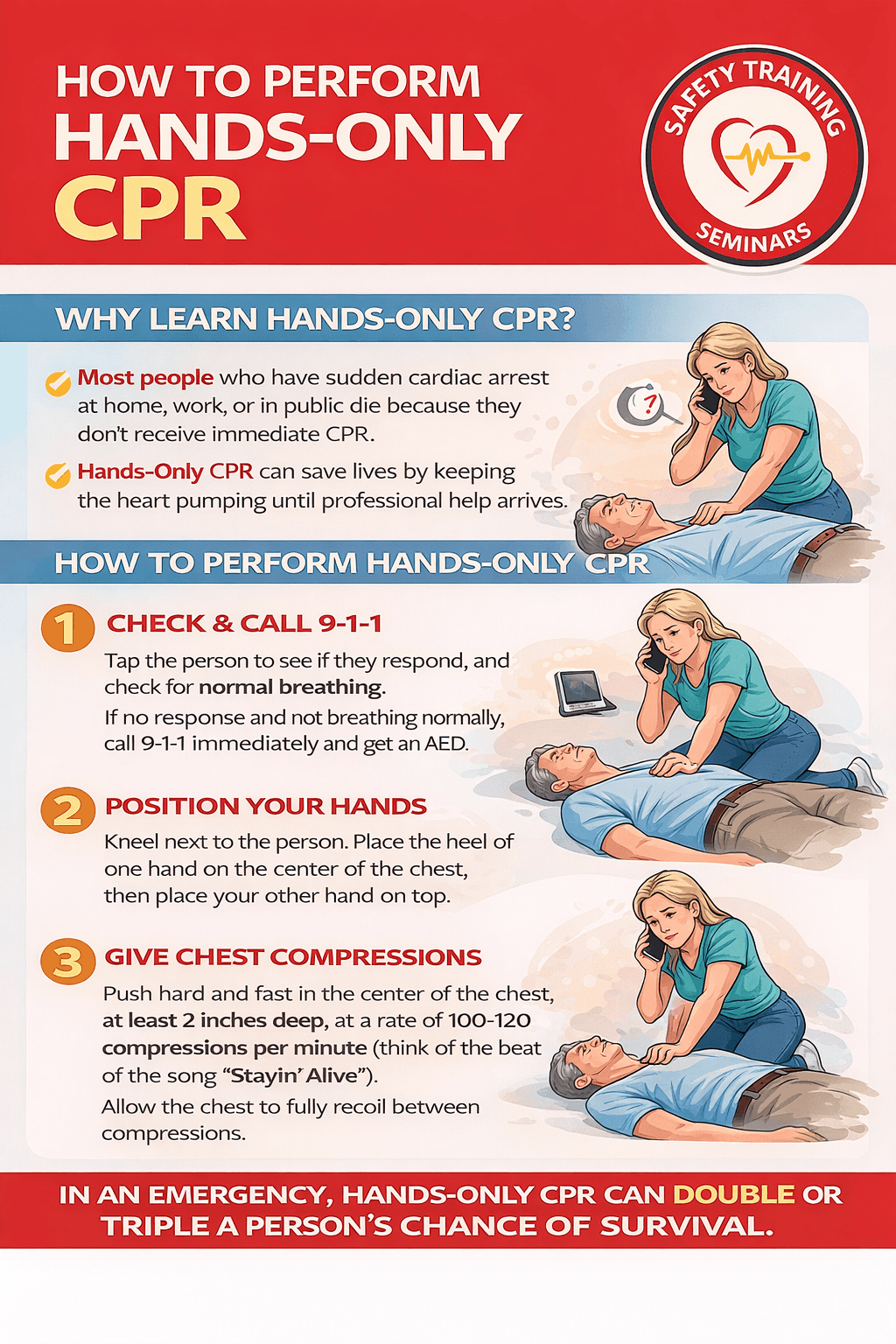
- Place the heel of one hand in the center of the chest, on the lower half of the sternum.
- Place your other hand on top and interlock your fingers.
- Keep your arms straight and shoulders directly above your hands.
- Push hard and fast, compressing the chest about 2 inches (5 cm) deep.
- Maintain a rhythm of 100–120 compressions per minute.
- Continue compressions without interruption until emergency responders arrive or the person shows signs of life.
These steps ensure blood continues circulating, maximizing oxygen delivery to the brain and heart and showing exactly how to save a life in a high-stakes scenario.
Maintaining Rhythm and Proper Technique
Effective hands-only CPR relies on maintaining proper technique and rhythm. Poor compression depth or interruptions reduce its effectiveness, while consistent compressions improve survival outcomes.
Tips for proper technique:
- Allow full chest recoil between compressions
- Avoid leaning on the chest, which reduces blood flow
- Keep a steady pace, matching the rhythm to the beat of a song like “Stayin’ Alive” if it helps maintain consistency
- Switch rescuers if possible to prevent fatigue
These practical techniques ensure that your efforts are effective and demonstrate the critical role of BLS skills in emergency situations.
When and How to Combine CPR with Other Emergency Measures
While hands-only CPR is effective, there are times when additional measures enhance survival. For example, using an AED (automated external defibrillator) alongside chest compressions increases the chance of restoring a normal heartbeat.
Key points to remember:
- Call emergency services immediately before starting CPR
- If an AED is available, turn it on and follow the voice prompts
- Continue hands-only CPR until the AED is ready to deliver a shock
- Resume compressions immediately after any shock or as instructed
Integrating these steps demonstrates the practical application of First Aid, CPR, and BLS knowledge in real-world emergencies.
Monitoring the Victim During and After CPR
While performing hands-only CPR, continuous observation is essential to recognize any signs of recovery. Monitoring ensures appropriate adjustments can be made and helps prevent further complications.
Monitoring actions include:
- Watching for normal breathing or movement
- Checking for consciousness when possible without interrupting compressions
- Observing skin color and overall responsiveness
- Preparing to switch to full CPR with rescue breaths if trained and the situation changes
This attention to detail exemplifies how how to help extends beyond compressions and emphasizes comprehensive life-saving care.
Educating Communities to Act Confidently
Hands-only CPR empowers communities to respond to cardiac emergencies confidently. By educating the public in First Aid, CPR, and BLS, more lives can be saved in both public and private settings.
Community benefits of hands-only CPR education:
- Increases the number of immediate responders during cardiac emergencies
- Reduces hesitation to intervene due to fear of performing mouth-to-mouth resuscitation
- Promotes preparedness in schools, workplaces, and public spaces
- Builds confidence to act decisively, demonstrating practical how to save skills
Through education and hands-on training, bystanders become critical links in the chain of survival, transforming fear into action.
Final Thoughts: Simple Actions, Life-Saving Impact
Hands-only CPR is a straightforward yet highly effective technique that anyone can learn. By recognizing cardiac arrest, securing safety, performing compressions correctly, and monitoring the victim, you significantly improve survival chances.
Safety Training Seminars focuses on hands-on, practical training that equips individuals with real-world skills. Knowing how to help in cardiac emergencies transforms ordinary people into life-saving responders. When seconds count, your knowledge and quick action can make all the difference between life and death.