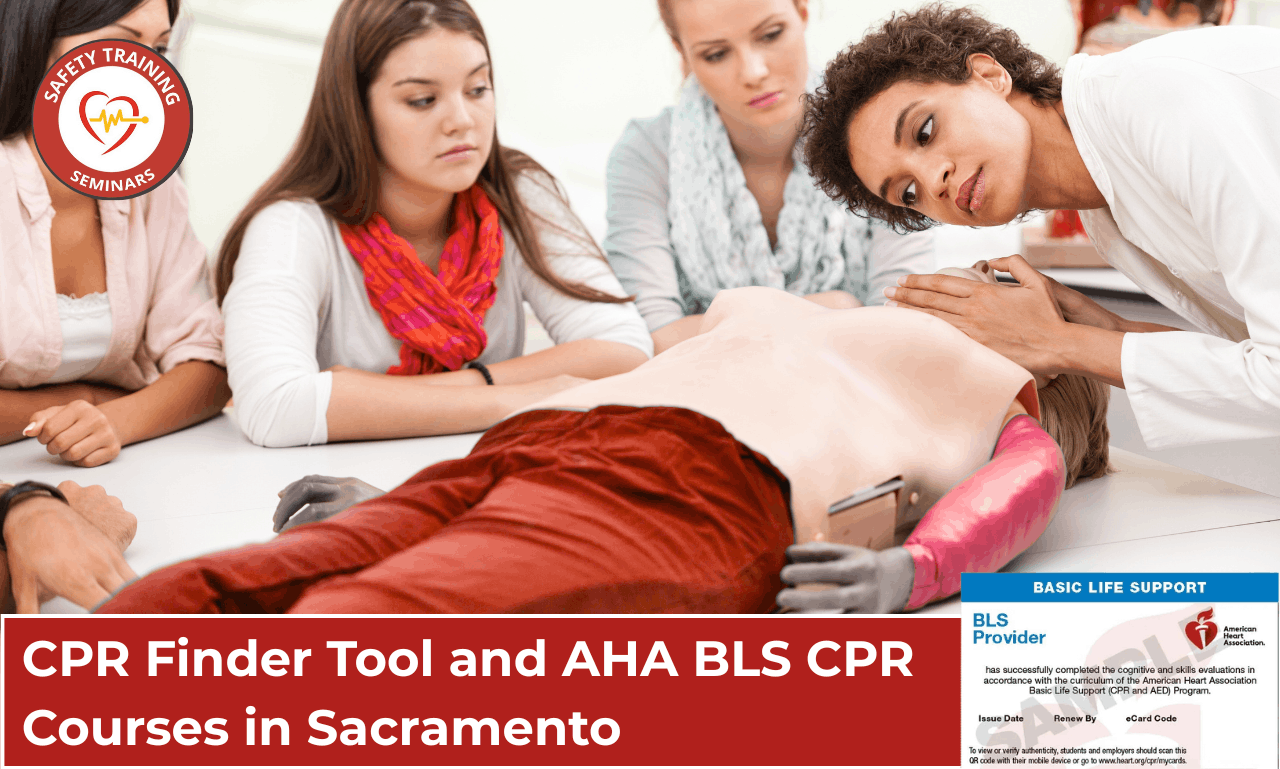
Basic Life Support (BLS) is an essential skill for healthcare providers, first responders, and anyone involved in emergency care. The course focuses on CPR, First Aid, and emergency interventions, providing participants with the tools they need to respond effectively to life-threatening situations.
Proper preparation for a BLS course ensures participants are confident in their skills, enabling them to know how to help a patient in critical condition. By learning these techniques ahead of time, you are better equipped to understand how to save lives during cardiac or respiratory emergencies.
Assess Your Current Skills and Knowledge
Before attending a BLS course, evaluate your current level of expertise. Identifying strengths and weaknesses allows you to focus your preparation on areas that need improvement.
Key areas to assess include:
- Basic CPR techniques for adults, children, and infants
- Airway management and rescue breathing
- Familiarity with First Aid procedures for choking, bleeding, and shock
- Prior experience with emergency response scenarios
Understanding your starting point helps you approach the course strategically, ensuring you gain maximum knowledge on how to help patients effectively.
Gather the Necessary Learning Materials
Having access to the right materials is crucial for BLS preparation. Study resources will help reinforce your knowledge and allow you to practice skills before the course.
Recommended materials include:
- BLS manuals covering CPR techniques, emergency response protocols, and rescue skills
- Online video tutorials demonstrating proper CPR and First Aid techniques
- Practice sheets for assessing pulse, breathing, and consciousness
- Notes from previous BLS or First Aid courses
Organizing and reviewing these materials gives you a structured approach to preparation, improving your ability to act confidently and know how to save lives.
Focus on Core BLS Skills
BLS training emphasizes practical skills that can make a difference in an emergency. Focusing on these skills before the course allows for smoother learning and retention.
Essential skills to practice include:
- High-quality chest compressions for adults, children, and infants
- Rescue breathing techniques and proper ventilation
- Assessing pulse and breathing quickly and accurately
- Performing First Aid interventions for choking, bleeding, and unresponsive patients
- Understanding when and how to initiate CPR
Focusing on these skills ensures participants are ready to demonstrate how to help during real-life emergencies, enhancing confidence and effectiveness.
Practice Scenario-Based Learning
Hands-on practice is key to mastering BLS. Simulating emergency situations prepares participants to respond efficiently under pressure.
Tips for scenario-based practice:
- Role-play different emergency scenarios, including cardiac arrest and choking
- Practice switching roles between rescuer and observer to understand team dynamics
- Incorporate proper CPR, BLS, and First Aid steps in each scenario
- Focus on communication, speed, and accuracy
Scenario-based learning helps participants internalize procedures and teaches them how to save lives quickly and safely.
Review BLS Protocols and Algorithms
Understanding BLS protocols ensures that your actions are structured, effective, and safe. Reviewing these guidelines before the course improves decision-making during emergencies.
Key areas to review include:
- Adult, child, and infant CPR sequences
- Steps for assessing responsiveness, pulse, and breathing
- Proper hand placement and compression depth for different age groups
- Emergency response sequences for choking, cardiac arrest, and unresponsiveness
Familiarity with these procedures helps participants respond confidently, knowing how to help and how to save patients in critical situations.
Prepare Mentally and Physically
BLS courses require both mental focus and physical endurance. Preparing yourself ensures better performance during the course.
Preparation strategies include:
- Resting adequately before training sessions
- Practicing stress management techniques to remain calm during emergencies
- Maintaining physical fitness for performing extended CPR and BLS procedures
- Developing a confident mindset, understanding that repeated practice builds skill and confidence
Being mentally and physically ready ensures participants can act efficiently and demonstrate effective how to help skills in any emergency.
Organize Logistics for Course Readiness
Proper planning reduces distractions and allows you to focus on learning and practicing your skills during the course.
Steps include:
- Confirm registration, course location, and schedule
- Bring required identification, manuals, and personal protective equipment (PPE)
- Review pre-course modules or assignments if provided
- Arrive early to familiarize yourself with the environment
Organizational preparation ensures you can concentrate fully on acquiring life-saving skills in BLS, CPR, and First Aid, enhancing your readiness to how to save lives.
Continuous Practice and Learning
BLS preparation continues even after the course. Ongoing practice reinforces skills and keeps responders confident in emergencies.
Suggestions include:
- Participate in refresher courses and simulations regularly
- Practice CPR and First Aid skills with peers or on mannequins
- Review algorithms and emergency protocols periodically
- Stay updated on new techniques and best practices in emergency care
Continuous learning ensures that participants always know how to help and are prepared to act efficiently, increasing their ability to how to save lives.
Final Thoughts: Preparation Saves Lives
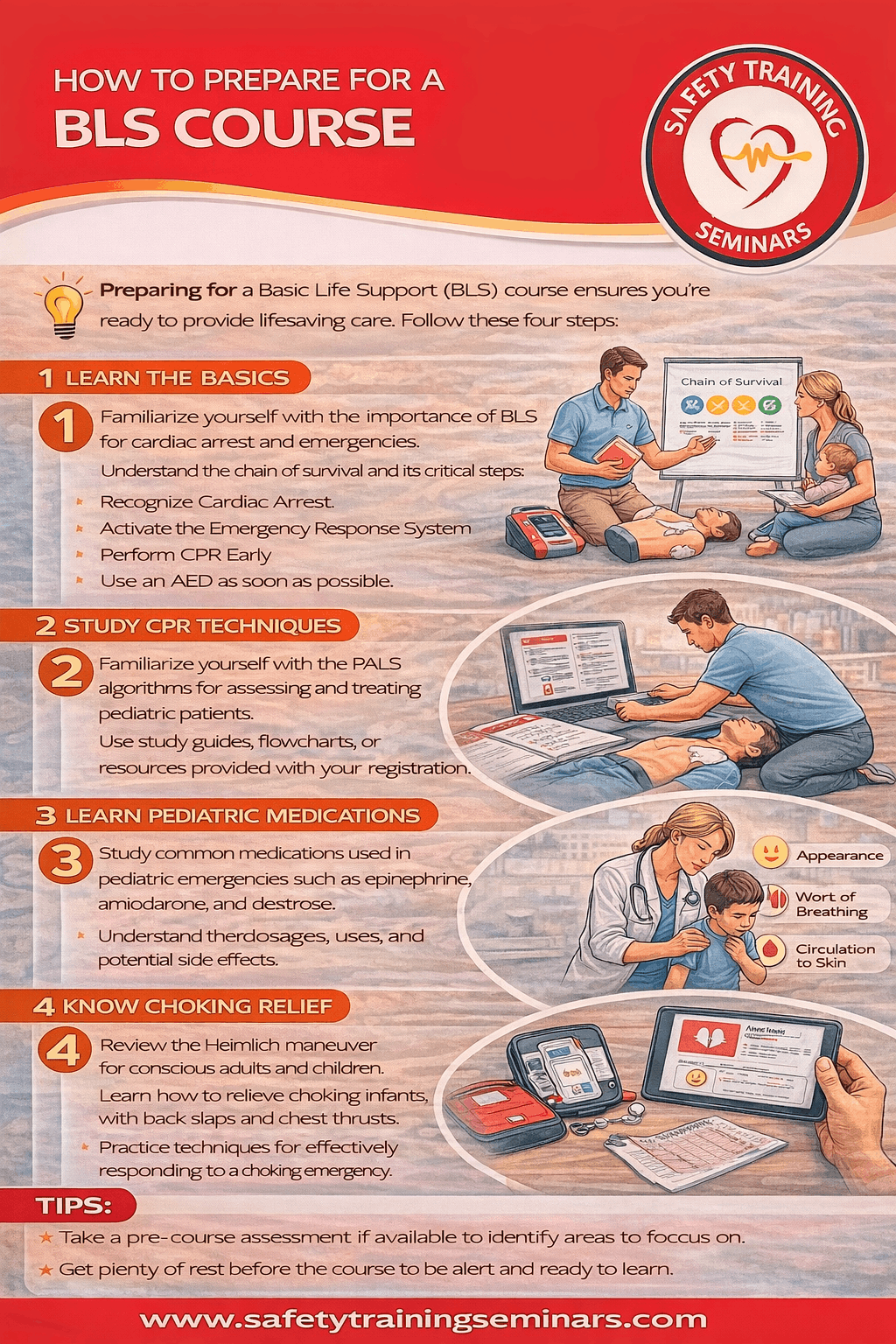
Preparing for a BLS course is a critical step toward becoming a confident and capable responder. By assessing your skills, gathering materials, practicing procedures, reviewing protocols, and preparing mentally and physically, you ensure course success.
At Safety Training Seminars, we emphasize thorough preparation, helping every participant understand how to help effectively and how to save lives in emergency situations. Being prepared ensures that when emergencies occur, responders act decisively and confidently.