Drowning is a life-threatening emergency that can occur quickly and silently. It happens when water blocks the airway, preventing oxygen from reaching the lungs and brain. Immediate action is critical because brain damage can occur within minutes. Knowing how to help someone in a drowning emergency can be the difference between life and death.
At Safety Training Seminars, First Aid, CPR, and BLS training teaches individuals how to respond safely and effectively. By understanding the risks and proper response techniques, you can act confidently to protect the victim and improve survival outcomes.
Recognizing the Signs of Drowning
Drowning does not always look dramatic. Often, victims struggle silently, making it vital to recognize subtle signs. Quick recognition allows bystanders to respond immediately and initiate life-saving measures.
Key signs of drowning include:
- Head low in the water, mouth at water level
- Gasping or hyperventilation
- Flailing or weak, ineffective movements
- Silence despite visible struggle
- Blue lips, pale skin, or unconsciousness
Being alert to these signs allows you to act swiftly. Recognizing distress early is a fundamental skill in how to save lives during aquatic emergencies.
Ensuring Safety Before Entering the Water
Your own safety is the first priority. Approaching a drowning victim without caution can put you at risk. Unsafe rescue attempts may create two victims instead of one.
Safety measures include:
- Assessing the environment for hazards, like strong currents or debris
- Using flotation devices or rescue tools if available
- Calling for emergency assistance before attempting a rescue
- Avoiding direct entry into the water unless trained and confident
By securing a safe approach, you can focus on effective rescue and demonstrate how to help without putting yourself in danger.
Rescuing the Victim Safely
Once safety is ensured, the rescue process begins. Using proper techniques ensures that the victim is brought out of danger while minimizing additional risk.
Rescue steps include:
- Reaching: Extend a stick, pole, or towel to the victim from shore or boat
- Throwing: Use a buoyant object like a life ring or rope to pull the victim to safety
- Wading: Enter shallow water carefully while maintaining your balance
- Swimming: Only enter deep water if trained, and always approach from behind the victim to avoid being grabbed
Using these methods reduces the risk of injury to both rescuer and victim, ensuring the rescue is effective and controlled.
Providing Immediate First Aid and CPR
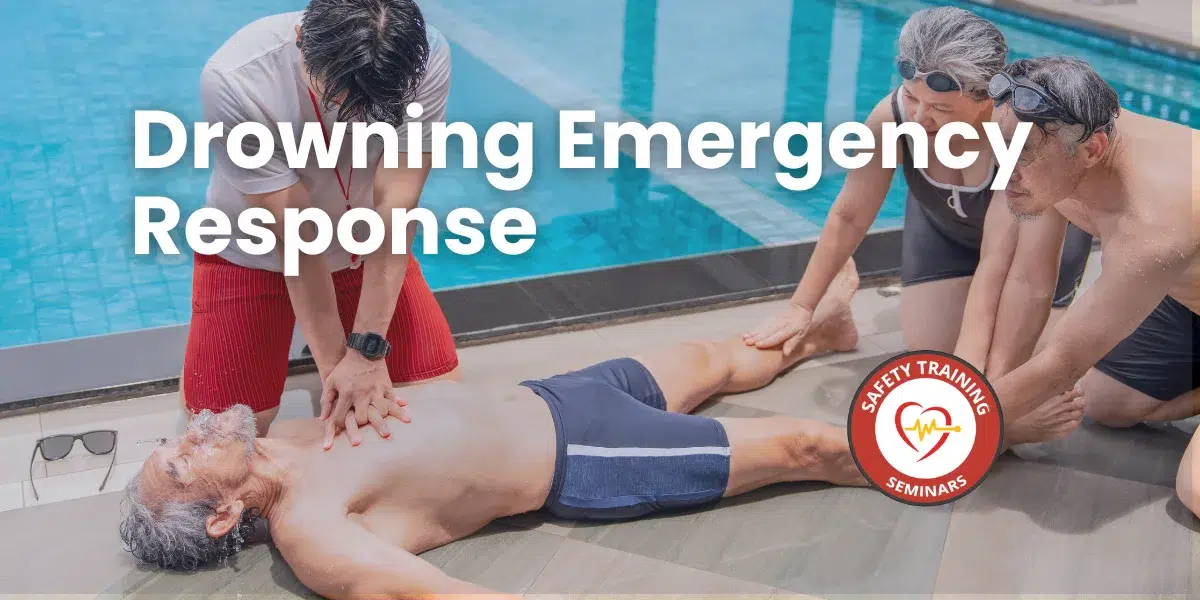
After rescuing the victim, the next priority is restoring breathing and circulation. Many drowning victims stop breathing due to water in the lungs, making prompt CPR and First Aid essential.
Immediate actions include:
- Checking for responsiveness and breathing
- Clearing the airway of water using gentle sweeps with fingers
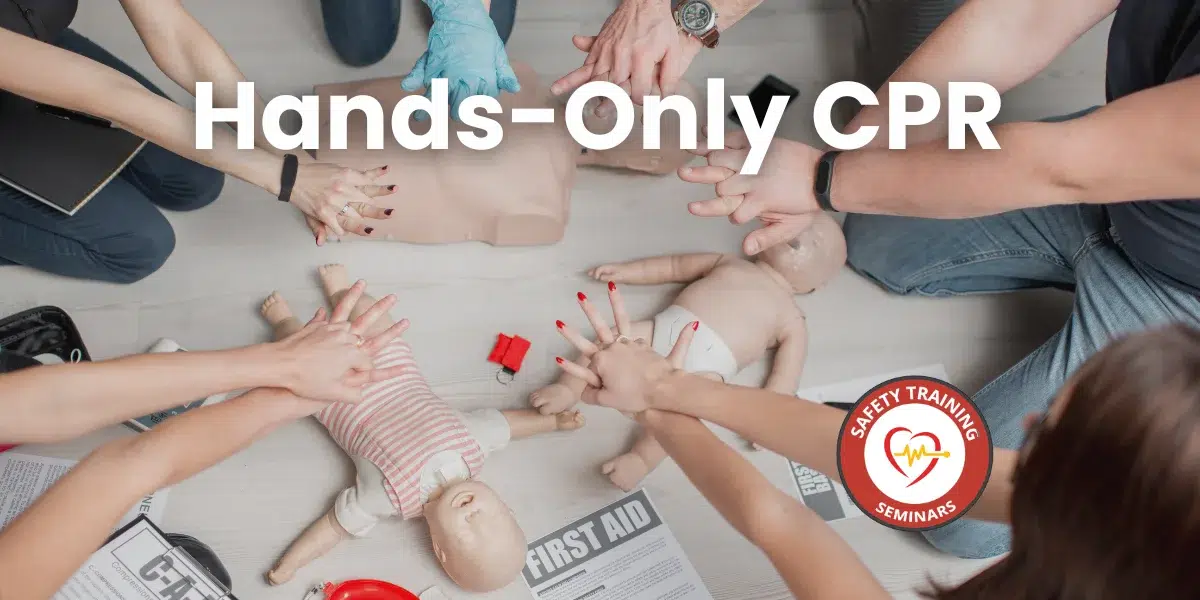
- Performing chest compressions and rescue breaths if the victim is unresponsive
- Maintaining compressions and breaths until normal breathing returns or emergency responders arrive
- Monitoring vital signs continuously
Effective intervention during this phase demonstrates practical BLS skills and shows exactly how to save a life in critical conditions.
Monitoring and Supporting Recovery
Once the victim is stabilized, ongoing monitoring is essential. Water in the lungs may cause complications even after initial rescue.
Supportive care includes:
- Keeping the victim warm and calm
- Observing breathing patterns and alertness
- Encouraging rest while avoiding sudden movements
- Preparing for possible secondary interventions if symptoms worsen
- Providing reassurance and emotional support
These steps ensure that the victim remains stable while awaiting professional care, emphasizing the importance of how to help throughout the recovery process.
Understanding Risk Factors for Drowning
Certain factors increase the risk of drowning, and awareness helps with prevention and preparedness. Common risks include:
- Lack of swimming ability or water safety knowledge
- Alcohol or drug consumption while swimming or boating
- Unsupervised children near water
- Strong currents, tides, or unexpected waves
Being aware of these risks allows bystanders and caregivers to intervene early and reduces the likelihood of emergencies. Incorporating First Aid, CPR, and BLS knowledge into safety planning ensures a rapid, effective response if an incident occurs.
Educating Communities on Drowning Prevention
Public education is a powerful tool for preventing drowning emergencies. Communities trained in First Aid, CPR, and BLS can act swiftly and confidently to save lives.
Community benefits include:
- Reduced drowning incidents through awareness
- Increased immediate response during emergencies
- Safer swimming environments in schools, pools, and public areas
- Enhanced confidence and readiness among bystanders
By teaching life-saving skills and raising awareness, more lives can be saved, and individuals become proactive participants in aquatic safety.
Final Thoughts: Quick Action Saves Lives
Drowning emergencies demand calm, quick, and informed action. Recognizing distress early, ensuring safety, performing rescue techniques, and providing immediate CPR and First Aid can dramatically improve survival chances.
Safety Training Seminars equips participants with practical skills to respond effectively. Knowing how to help during a drowning emergency turns bystanders into life-saving responders. Every second counts, and preparation can make all the difference in saving a life.