Bleeding emergencies happen suddenly and often without warning. A car accident, workplace injury, kitchen mishap, or outdoor activity can quickly turn dangerous if bleeding is severe. In fact, uncontrolled bleeding is one of the leading causes of preventable death in emergencies. Knowing how to stop bleeding is not just a medical skill—it is a life skill. With basic First Aid knowledge and calm action, anyone can step in and make a difference before professional help arrives.
At Safety Training Seminars, emergency response education focuses on practical skills that ordinary people can use in extraordinary moments. Learning how to help someone who is bleeding heavily gives you the confidence to act quickly, protect yourself, and potentially save a life.
Understanding Bleeding and Why Immediate Action Matters
Bleeding occurs when blood vessels are damaged, allowing blood to escape the circulatory system. While minor cuts usually stop bleeding on their own, severe bleeding can become life-threatening within minutes. Therefore, recognizing the difference between minor and serious bleeding is critical.
Heavy bleeding may appear as blood that spurts, pools rapidly, or soaks through clothing and bandages. In these cases, the body may not be able to compensate, leading to shock. Acting quickly improves circulation, preserves oxygen delivery, and supports survival until advanced care arrives. This is exactly how to save lives using basic BLS and First Aid principles.
Key signs of dangerous bleeding include:
- Continuous blood flow that does not stop
- Bright red or dark, fast-flowing blood
- Weakness, dizziness, or confusion in the injured person
- Pale or clammy skin
Recognizing these signs early helps you respond with purpose rather than panic.
Step One: Ensure Safety and Take Control of the Scene
Before helping someone else, you must protect yourself. Rushing into a dangerous situation can create more victims. Therefore, always pause briefly to check for hazards such as traffic, broken glass, or sharp objects. If available, use gloves or a barrier to reduce contact with blood.
Once the scene is safe, approach the injured person calmly. Speak clearly and reassure them that help is coming. Your calm presence can slow their breathing and heart rate, which may reduce blood loss. This initial step sets the stage for effective care and shows exactly how to help in high-stress situations.
Important safety actions include:
- Checking the surroundings for danger
- Using gloves or clean cloths when possible
- Calling for emergency assistance early
- Keeping the injured person still and calm
These actions support both rescuer safety and patient survival.
Applying Direct Pressure: The Most Effective First Aid Skill
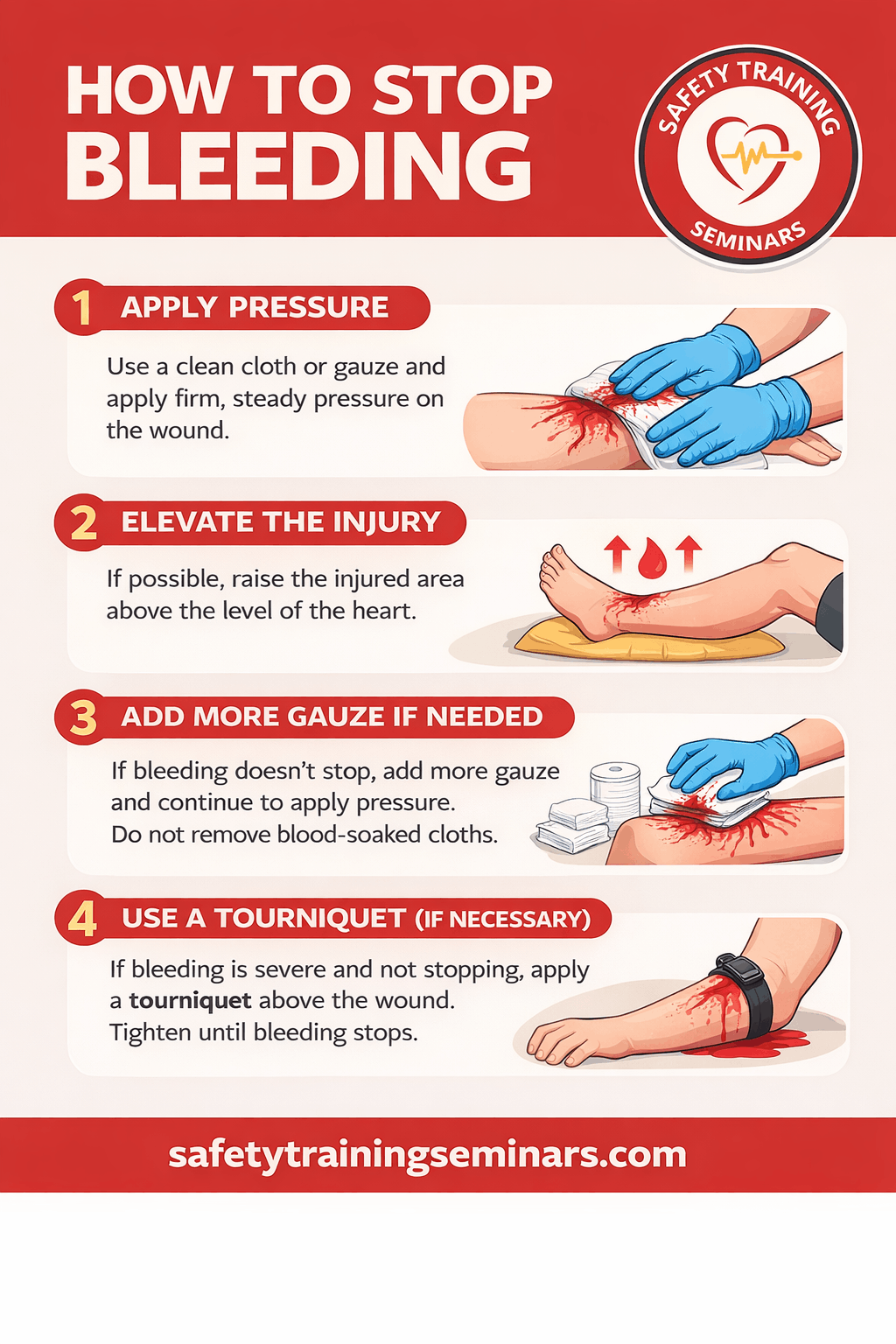
Direct pressure is the single most important technique for stopping external bleeding. By pressing firmly on the wound, you help compress damaged blood vessels and encourage clotting. This method works for most bleeding emergencies and requires no special equipment.
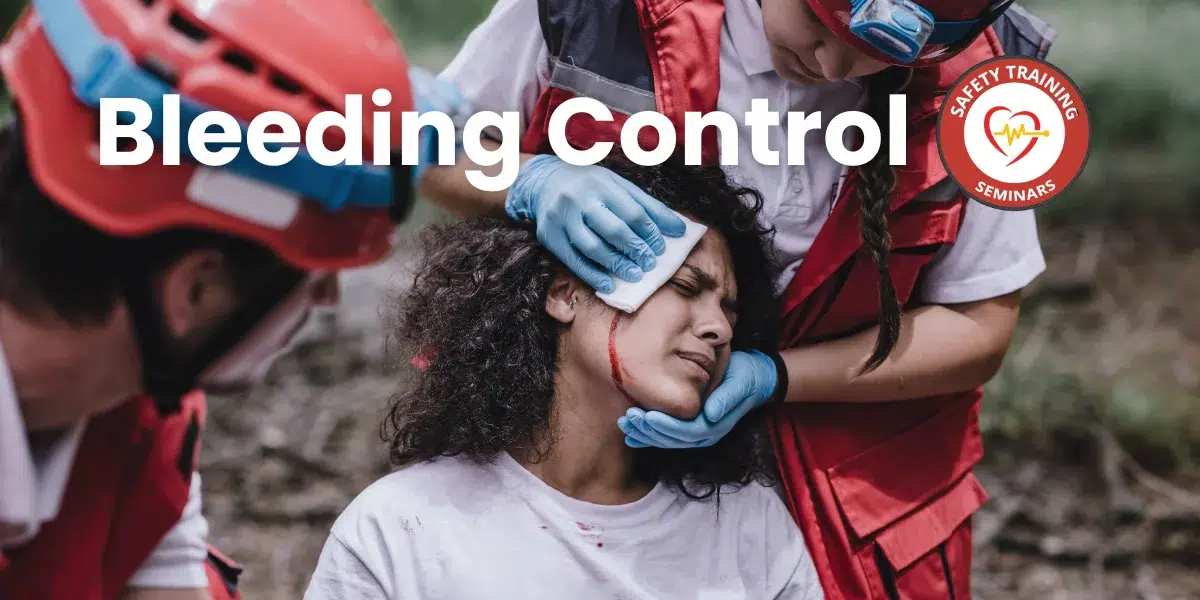
Use a clean cloth, bandage, or even clothing if necessary. Place it directly over the wound and press firmly with your hand. If blood soaks through, do not remove the cloth. Instead, apply more layers and continue pressure. Removing the dressing can disrupt clot formation and worsen bleeding.
Direct pressure techniques include:
- Pressing firmly and continuously
- Maintaining pressure for several minutes
- Avoiding frequent checks of the wound
- Keeping pressure steady until bleeding slows or stops
This skill is foundational in First Aid, CPR, and BLS education because it is simple, effective, and accessible to everyone.
Elevation and Positioning to Reduce Blood Flow
In certain situations, elevating the injured area can help slow bleeding. By raising the wound above heart level, gravity reduces blood flow to the area. However, elevation should only be used if it does not cause pain or worsen the injury.
Positioning the person properly also helps prevent shock. If possible, have them lie down and keep them warm. Avoid giving food or drink, as surgery may be required later. These steps support circulation and oxygen delivery, reinforcing how to save lives using basic emergency care principles.
Helpful positioning tips include:
- Elevating arms or legs when appropriate
- Keeping the person lying flat if they feel weak
- Covering them with a blanket or jacket
- Monitoring responsiveness and breathing
Proper positioning works alongside pressure to control bleeding more effectively.
Using Bandages and Improvised Materials
Bandages help maintain pressure and protect wounds from contamination. In a real emergency, however, bandages may not be immediately available. Fortunately, many everyday items can serve as effective alternatives.
Clean towels, scarves, shirts, or cloth bags can all be used to apply pressure. Wrap the material firmly but not so tightly that it cuts off circulation. Check for numbness, tingling, or discoloration beyond the bandage, which may indicate restricted blood flow.
Effective bandaging principles include:
- Securing dressings snugly, not tightly
- Leaving fingers or toes visible when possible
- Watching for swelling or color changes
- Reassessing the wound without removing pressure
Improvisation is a core concept in BLS and emergency preparedness because emergencies rarely happen under ideal conditions.
Managing Severe Bleeding and When Pressure Is Not Enough
Some bleeding emergencies require more advanced intervention. Deep wounds, amputations, or injuries involving large blood vessels may continue bleeding despite strong pressure. In these cases, continuous pressure remains essential while emergency services are on the way.
Never probe deep wounds or attempt to remove embedded objects. Instead, stabilize the object and apply pressure around it. Removing it may worsen bleeding significantly. Keeping the injured person calm and still helps reduce blood loss and prevents further injury.
Critical reminders for severe bleeding:
- Do not remove objects stuck in wounds
- Maintain constant pressure until help arrives
- Monitor breathing and responsiveness
- Be prepared to provide CPR if necessary
Knowing these steps demonstrates exactly how to help when bleeding becomes life-threatening.
Preventing Shock While Controlling Bleeding
Shock occurs when the body cannot deliver enough oxygen to vital organs. Severe blood loss is a common cause. Preventing shock is just as important as stopping the bleeding itself.
Keep the injured person warm, lying down, and as calm as possible. Elevate their legs slightly if there are no injuries preventing it. Reassure them continuously and stay with them until help arrives. These actions support circulation and mental stability.
Shock prevention steps include:
- Keeping the person warm and dry
- Avoiding unnecessary movement
- Speaking calmly and confidently
- Monitoring skin color and consciousness
These actions complement First Aid bleeding control and improve overall survival chances.
Bleeding Control as Part of CPR and BLS Training
Bleeding emergencies often occur alongside other life-threatening conditions. In many cases, rescuers may need to transition from bleeding control to CPR if the person becomes unresponsive. BLS training prepares individuals to recognize when priorities change and act accordingly.
Understanding how bleeding affects circulation helps rescuers make informed decisions. Controlling blood loss preserves oxygen delivery, which directly supports heart and brain function. This connection highlights why bleeding control is a critical component of emergency response education.
Through hands-on training, students learn to:
- Assess injuries quickly
- Prioritize life-threatening conditions
- Combine bleeding control with airway and breathing support
- Stay calm under pressure
This integrated approach shows how to save lives using coordinated emergency skills.
Why Everyone Should Learn How to Stop Bleeding
Emergencies do not wait for medical professionals to arrive. Often, the first few minutes determine survival. When bystanders know how to stop bleeding, outcomes improve dramatically. These skills empower parents, coworkers, teachers, and community members to step forward with confidence.
Safety Training Seminars emphasizes education that translates into real-world action. Learning bleeding control is not about memorization—it is about readiness. When people know how to help, fear gives way to focus, and action replaces hesitation.
By mastering these skills, you become part of a safer, more prepared community—one capable of saving lives when it matters most.