

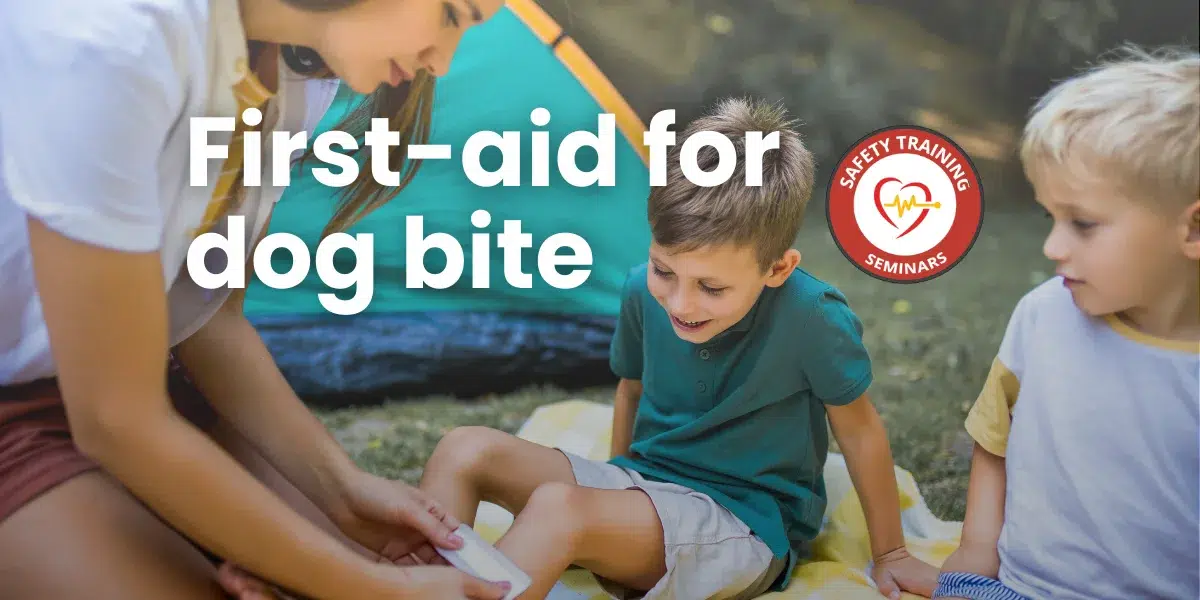
First Aid for Dog Bites
Dog bites can range from minor scratches to severe injuries, sometimes becoming life-threatening. Understanding first aid, knowing how to help, and recognizing the warning signs
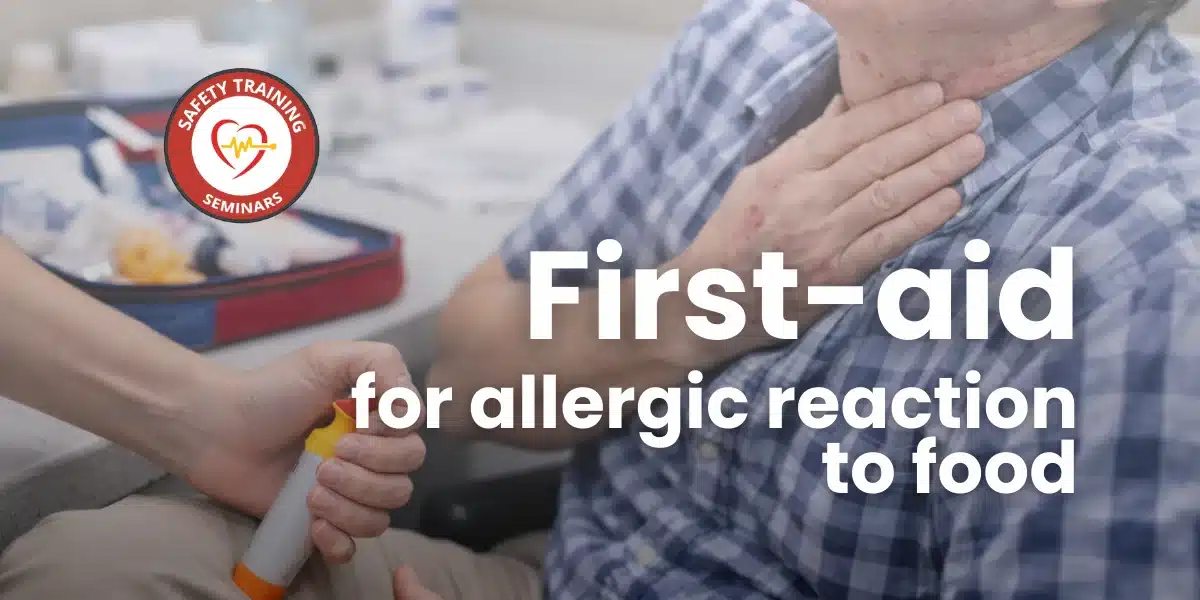
First Aid for Allergic Reactions to Food
Food allergies can trigger mild to severe reactions, sometimes becoming life-threatening within minutes. Knowing first aid, recognizing warning signs, and acting promptly can save lives.
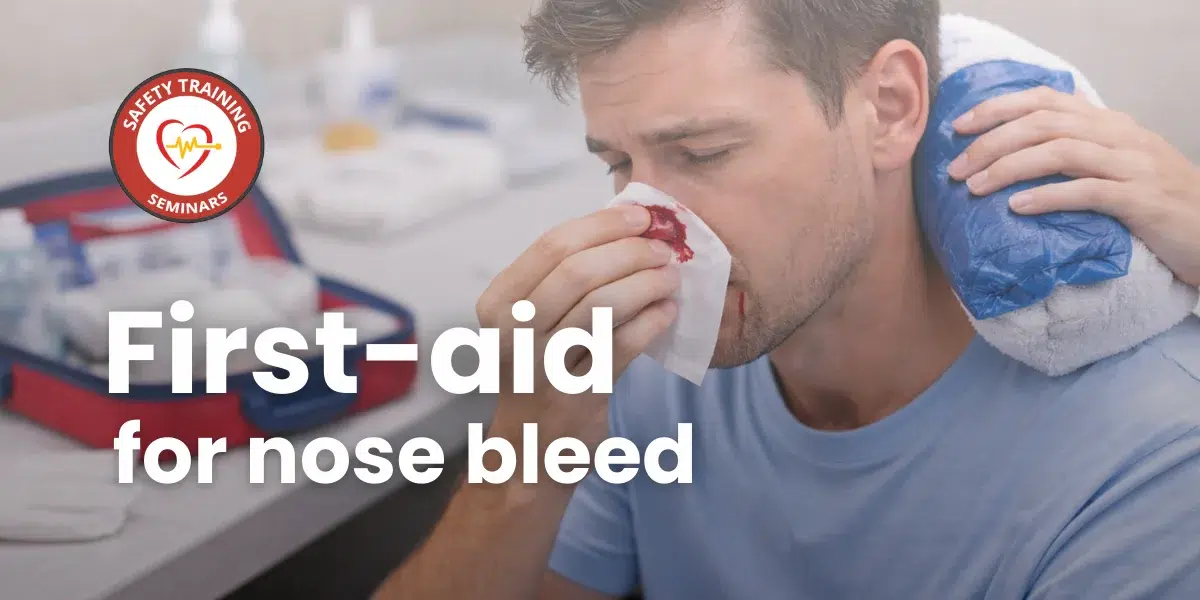
First Aid for Nose Bleeds
Nosebleeds, medically known as epistaxis, are common emergencies that can occur from minor injuries, dry air, or underlying health conditions. While most nosebleeds are not
First Aid for Extreme Heat
Extreme heat can be dangerous and even life-threatening. During heatwaves, outdoor activities, or working in high-temperature environments, understanding first aid, knowing how to help, and
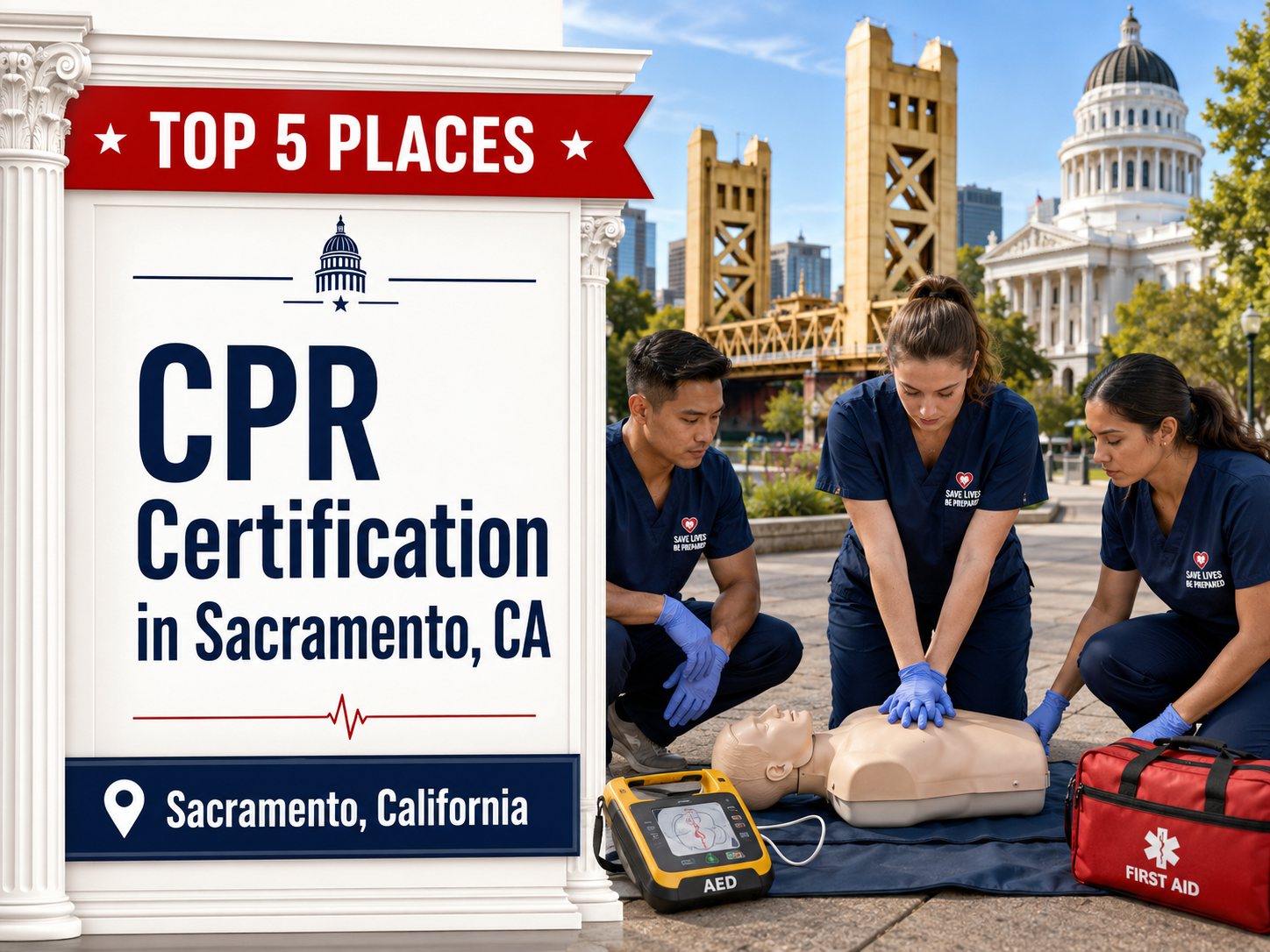
Where to Take AHA CPR, First Aid and Life Support Classes in Sacramento, CA
Sacramento’s combination of busy healthcare campuses, state offices, schools, childcare programs, restaurants, fitness centers, and residential neighborhoods creates a constant need for people who can
First-aid for Spider Bite
Spider bites can range from harmless to potentially life-threatening, depending on the species involved. Understanding first aid, knowing how to help, and recognizing the warning
First-Aid for Ticks
Tick bites are more than just a nuisance—they can transmit dangerous diseases such as Lyme disease, Rocky Mountain spotted fever, and other bacterial infections. Knowing
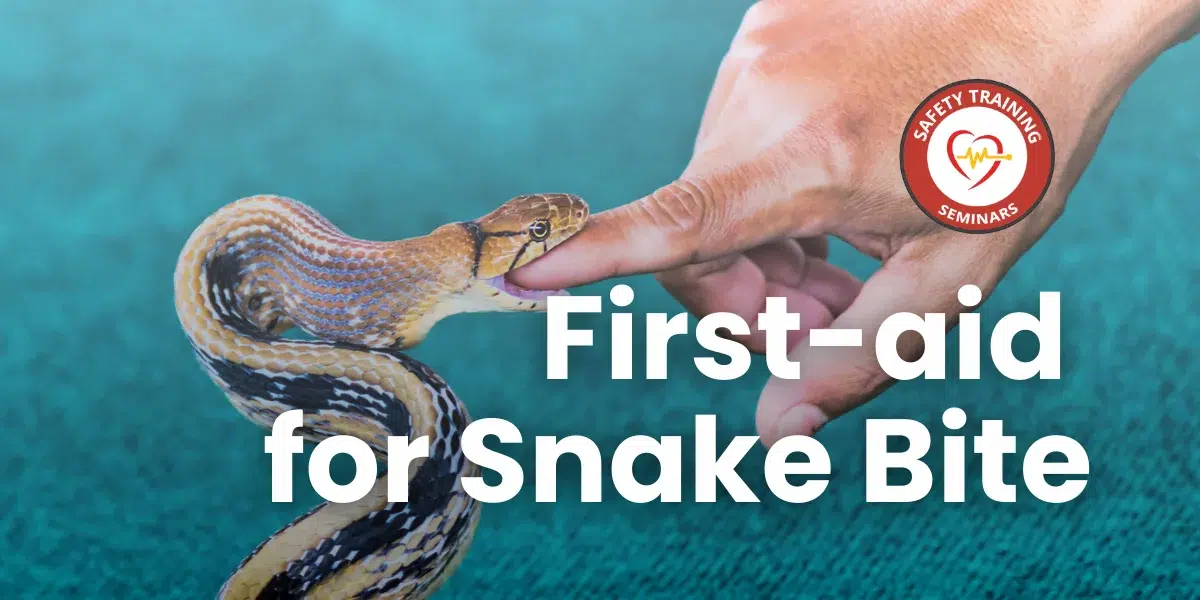
First-aid for Snake Bite
Snake bites are a medical emergency that can lead to serious complications, including tissue damage, organ failure, and even death. Immediate First Aid can make
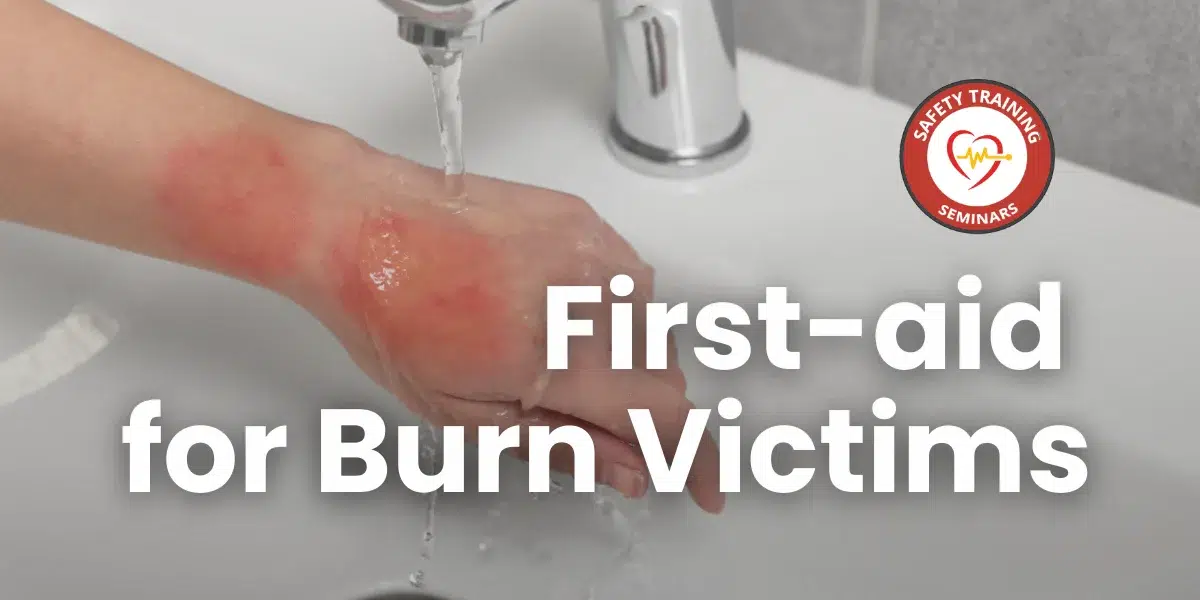
How to Care for a Burn Victim
Burn injuries are among the most painful and potentially dangerous injuries a person can suffer. Knowing how to respond quickly and effectively is critical in