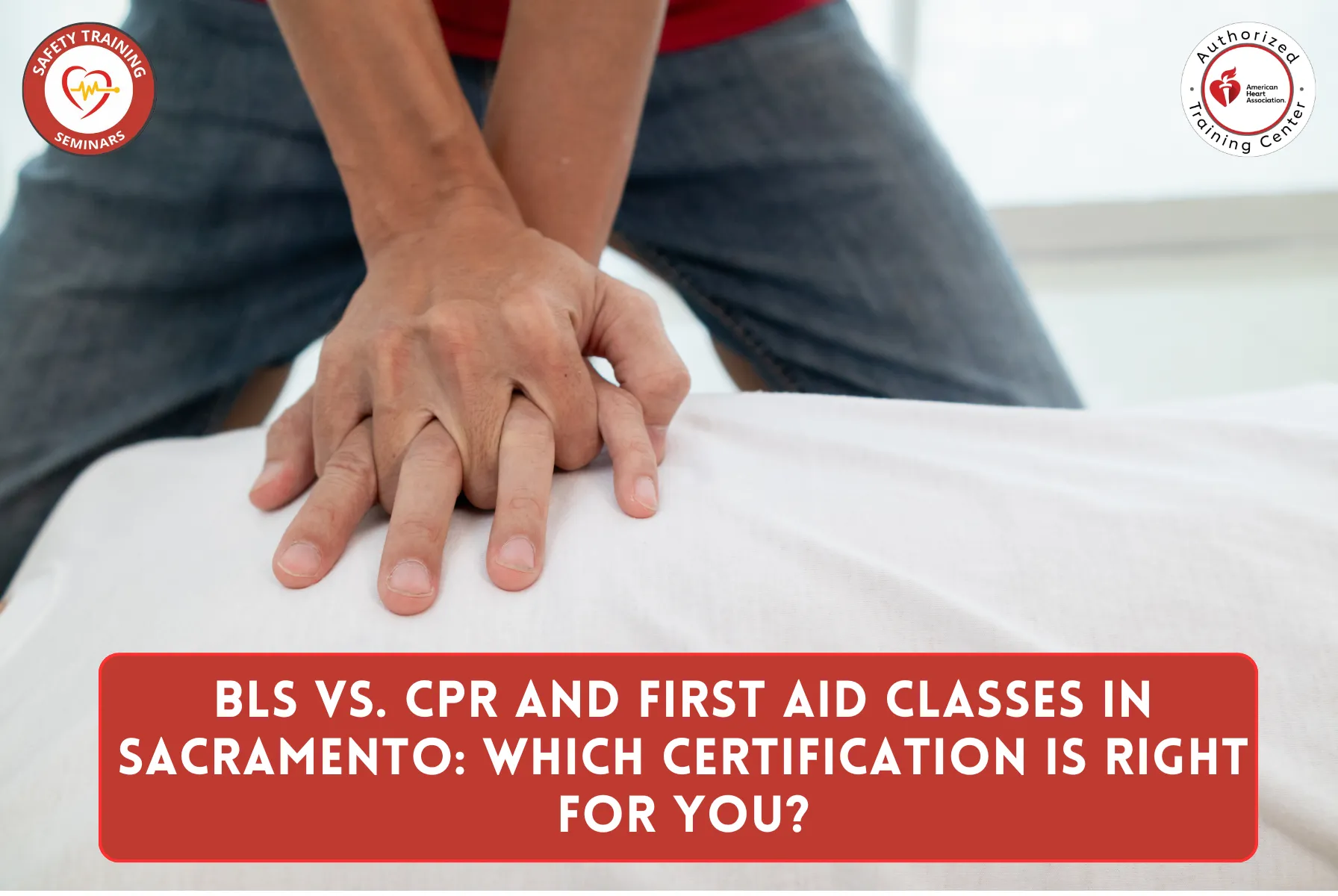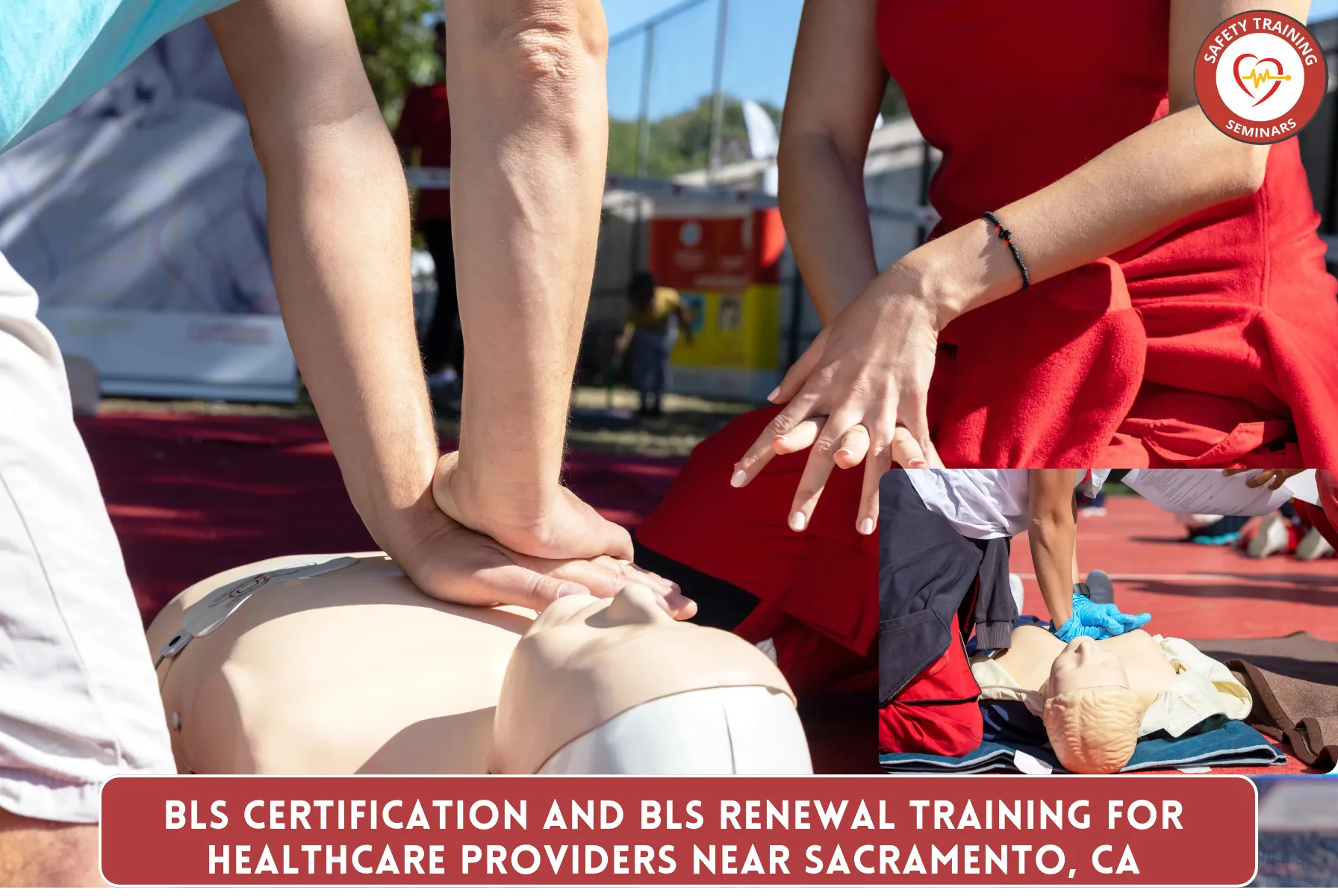
In a healthcare emergency, clinical knowledge must translate into coordinated action. A patient experiencing cardiac arrest may need immediate recognition, effective CPR, appropriate ventilation, and early use of an automated external defibrillator (AED). Healthcare professionals must understand not only the individual steps involved but also how to work together when every moment matters.
For nurses, physicians, medical assistants, dental professionals, and other patient-care workers, BLS Certification Renewal is an important opportunity to review essential emergency-response skills and maintain current course completion documentation. Those seeking BLS training in Sacramento, California, can explore available options through Safety Training Seminars and choose a course that aligns with their professional responsibilities and workplace expectations.
Sacramento’s Healthcare Environment Makes Team Readiness Important
Sacramento is home to many types of healthcare facilities, such as large hospital campuses, specialty services, outpatient facilities, and medical practices in the community. Even though the patients and clinical workflows in these settings are different, any of them could have a medical emergency.
One such medical center is the UC Davis Medical Center, which is located at 4301 X Street. It also has outpatient services and specialized healthcare facilities on its Sacramento site. The Capitol Avenue-based Sutter Medical Center, Sacramento offers a variety of medical services, such as emergency, heart, women’s, and children’s care. Another important hospital in the area is the Kaiser Permanente Sacramento Medical Center, which is located on Morse Avenue.
These hospitals are just a few examples of the wide range of healthcare settings in Sacramento. They are not affiliated with or endorsed by Safety Training Seminars. Their presence shows why being ready for emergencies is important for all healthcare jobs and departments.
A nurse in a hospital, a medical assistant working in an outpatient practice, and a dentist helping with a procedure may all have different tasks they need to do every day. But each may need to be able to spot a situation that could be life-threatening, call for help, and do their part to help the patient.
BLS training helps healthcare professionals get ready for these duties by giving them structured lessons and hands-on experience.
What Healthcare Providers Need to Understand About BLS
Basic Life Support (BLS) is designed for healthcare professionals and other appropriate individuals who may need to respond to life-threatening emergencies. The BLS Provider course focuses on recognizing emergencies, delivering high-quality CPR, providing effective ventilation, and using an AED as part of resuscitation.
Unlike general-public CPR education, healthcare-provider BLS places particular emphasis on professional responsibilities, clinical scenarios, and coordinated responses.
Recognizing cardiac arrest and responding promptly
Recognizing when a patient may be having cardiac arrest or another life-threatening situation is the first step in responding to an emergency. Healthcare workers need to know how important it is to quickly examine the situation, call for help, and start the right resuscitation procedures.
Not noticing an emergency right away can mess up the whole response. BLS training stresses how important it is to know your duties and act on time.
Applying CPR skills across different age groups
BLS training addresses resuscitation skills for adults, children, and infants. Healthcare professionals may encounter patients from different age groups depending on their specialty and workplace.
Course learning includes age-appropriate CPR techniques, effective chest compressions, and appropriate ventilation. Practical skills sessions allow participants to demonstrate the techniques required by the course rather than relying exclusively on theoretical knowledge.
Understanding AED use and ventilation
An automated external defibrillator can play an important role in responding to sudden cardiac arrest. BLS education covers early AED use and how it fits into the wider resuscitation process.
Ventilation is another essential area of healthcare-provider training. Participants learn relevant techniques and how ventilation works alongside effective chest compressions during resuscitation.
Responding to choking emergencies
Severe airway obstruction requires prompt recognition and an appropriate response. BLS education includes recognition and management of choking emergencies involving adults, children, and infants.
Understanding these situations helps healthcare professionals prepare for emergencies that may occur outside a conventional hospital resuscitation setting.
Why Team Coordination Is Central to Effective Resuscitation
As a general rule, resuscitation can’t be done by just one person. In many healthcare settings, more than one professional may need to help with the same emergency reaction.
One person on the team might do chest compressions while someone else handles ventilation and someone else gets the AED ready. Some of their other duties could be to talk to the response team, keep an eye on things, and help with the resuscitation process as a whole.
BLS training teaches people how important it is to work together as a coordinated team, know their roles, and communicate clearly. These skills help people who work in health care see how each person’s actions affect the whole.
Take the case of a medical emergency in a facility for outpatients. Staff members may need to figure out what’s wrong with the patient, call for more help, find emergency gear, and organize what they need to do. Clear conversation can help clear up any confusion and help you respond in a well-planned way.
This team-based view is useful in hospital areas, dentist offices, urgent care centers, and other places where healthcare workers collaborate.
Initial BLS Training or Renewal: Which One Should You Choose?
The appropriate course depends on your previous training, current course completion documentation, and professional requirements.
When initial BLS training is appropriate
An initial BLS Provider course may be suitable for individuals who have not previously completed the applicable training or who need to develop the required foundational skills.
This may include:
- Nursing students preparing for clinical placements.
- New healthcare professionals entering patient-care roles.
- Medical assistants whose employers require healthcare-provider BLS.
- Dental professionals with relevant emergency-response responsibilities.
- Other individuals enrolled in healthcare education programs.
Before registering, learners should confirm that the selected course meets their employer’s or educational institution’s requirements.
When BLS renewal may be needed
Healthcare professionals who already hold an AHA BLS Course Completion eCard may need to arrange renewal before its validity period ends.
Renewal provides an opportunity to review essential resuscitation knowledge, demonstrate relevant practical skills, and obtain updated course completion documentation after successfully meeting the applicable requirements.
The AHA states that its BLS Provider Course Completion eCard is valid for two years. The card remains valid through the end of the month in which it was issued. Learners should check the date shown on their existing eCard and contact their training provider about renewal options.
Employers and educational institutions may also have their own policies regarding acceptable courses and renewal timing. Completing a course does not automatically establish that every organization will accept it for every role.
BLS Training Is Relevant Beyond Hospital Emergency Departments
Although emergency departments are an obvious setting for resuscitation skills, healthcare emergencies can occur in many other clinical environments.
Dental practices: Dental professionals may need to respond when a patient experiences a sudden medical emergency during an appointment. BLS knowledge supports recognition, communication, and coordinated action.
Outpatient clinics: Medical assistants, nurses, and other clinical staff may encounter patients who deteriorate unexpectedly while receiving routine or specialty care.
Hospital units: Healthcare teams across different departments may need to work together during cardiac arrest events, making role clarity and resuscitation coordination important.
Nursing education: Students preparing for clinical rotations should check their program’s requirements before choosing a course. The correct training option may depend on the institution and the responsibilities associated with the placement.
Healthcare support roles: Professionals who regularly work around patients may benefit from understanding how to recognize an emergency and contribute appropriately to the response.
The key consideration is not simply a job title. It is whether the person’s clinical responsibilities, workplace policies, or educational program require healthcare-provider BLS.
Finding BLS Renewal Training in Sacramento
Healthcare professionals searching for BLS renewal classes near Sacramento should compare course details before registering. A suitable option should match the learner’s current training status and the requirements established by their employer or educational institution.
Safety Training Seminars lists a Sacramento Midtown CPR Training Center at:
2501 Capitol Avenue, Suite 107, Sacramento, CA 95816
The location is listed among the provider’s Sacramento-area training centers. Professionals can review the available BLS classes in Sacramento to find relevant course information.
Before selecting a course, consider these points:
- Confirm whether you need initial BLS training or a renewal course.
- Review the course description and intended audience.
- Check whether the learning format is appropriate for your requirements.
- Confirm the practical skills component and applicable completion requirements.
- Review current dates, pricing, and registration details directly with the provider.
- Ask your employer whether the selected course meets its policy.
These checks can help prevent choosing a course that does not match your professional needs.
Understanding AHA Course Options and Completion Documentation
The American Heart Association offers several ways to learn BLS, such as in-person classes, online classes, and self-directed learning when it’s possible. The format and steps for finishing depend on the course that is chosen.
HeartCode® Complete, for instance, combines online learning with a hands-on skills part that must be completed at an official CPR Verification Station. This path is made so that students can do the activities at their own pace while still showing that they know how to do things in the real world.
If a person has successfully finished the relevant course, they will receive an AHA Course Completion eCard. It’s not a professional license, and it doesn’t give someone the right to work in a regulated healthcare role on their own.
After completing the required course components, learners should retain their eCard and follow their employer’s instructions for submitting or verifying the documentation.
For current course details and registration information, visit Sacramento BLS training and renewal options.
Frequently Asked Questions
1. Who should consider taking a BLS Provider course in Sacramento?
Healthcare professionals, trained first responders, and individuals enrolled in healthcare education programs may need BLS training. Nurses, physicians, medical assistants, dental professionals, and healthcare students should check the requirements associated with their roles or programs.
2. What is the difference between initial BLS training and renewal?
Initial training is generally intended for learners who need to complete the foundational BLS course. Renewal is for individuals who have previously completed the applicable training and need updated course completion documentation. Eligibility and course selection should be confirmed with the training provider.
3. How long is an AHA BLS Course Completion eCard valid?
The AHA states that its BLS Provider Course Completion eCard is valid for two years through the end of the month in which it was issued. Learners should review their individual card and plan renewal according to applicable workplace requirements.
4. Does BLS training include adult, child, and infant CPR?
Yes. The BLS Provider course includes resuscitation skills for adults, children, and infants, along with relevant ventilation, AED, and emergency-response learning objectives.
5. Is healthcare-provider BLS the same as general CPR training?
No. Healthcare-provider BLS is designed for professional and healthcare education settings. It includes relevant resuscitation skills and team-based learning for individuals who may have clinical responsibilities. General-public CPR courses serve different audiences and purposes.
6. Where can I find BLS training near Sacramento Midtown?
Safety Training Seminars lists its Sacramento Midtown training center at 2501 Capitol Avenue, Suite 107, Sacramento, CA 95816. Review the provider’s course page for current offerings, registration information, and applicable course details.
Prepare for Your Next Healthcare Emergency Response
Maintaining BLS knowledge is an important part of professional readiness for healthcare workers who may be involved in responding to cardiac arrest and other life-threatening emergencies. Strong resuscitation skills require more than familiarity with CPR terminology; they involve practical ability, clear communication, and coordinated action.
If you are looking for BLS certification renewal or initial healthcare-provider training in Sacramento, Safety Training Seminars provides a local training option to explore. Review the available course information, confirm your workplace requirements, and select the appropriate BLS learning pathway for your professional needs.