Two Parts of California’s Childcare Health and Safety Training
California’s childcare health and safety training is built from two pieces:
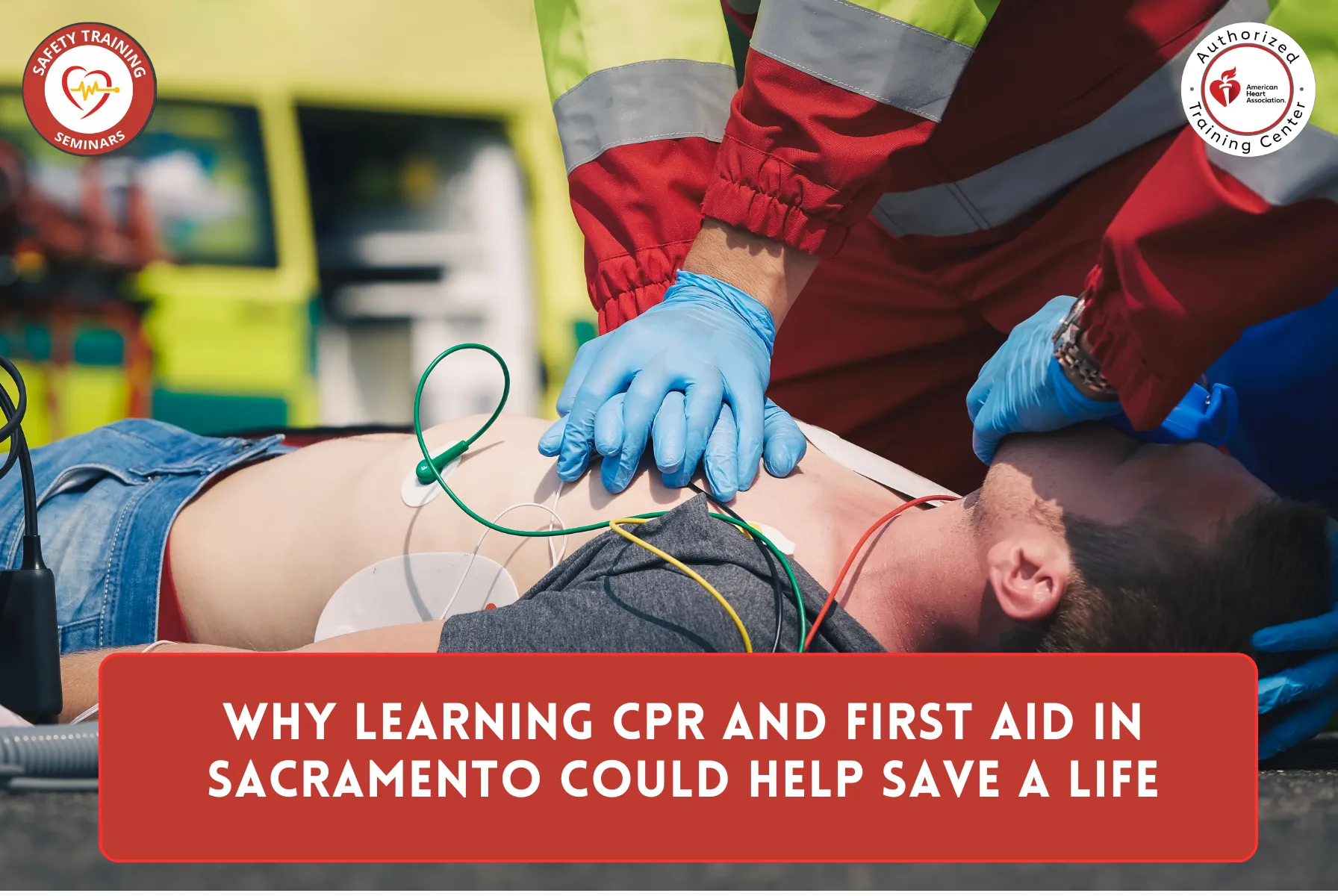
- Pediatric CPR and First Aid, which prepares providers to respond to injuries, choking, and medical emergencies.
- Preventive Health Practices, which focuses on stopping illness and injury before they happen.
The California Emergency Medical Services Authority (EMSA) approves the training programs that teach both pieces to childcare providers. Students who complete an EMSA-approved course receive a course completion card with an EMSA sticker as documentation.
The EMSA Preventive Health and Safety Course is the second piece. It’s less about emergencies and more about the structure of a healthy childcare day: how rooms are cleaned, how food is served, how illness is managed, and how hazards are kept away from children.
Licensing Basics for Sacramento County Providers
Childcare licensing in California is handled by the California Department of Social Services (CDSS), Community Care Licensing Division, which is headquartered in Sacramento. Health and Safety Code Section 1596.866 calls for at least 15 hours of health and safety training for covered personnel, including a preventive health practices course.
A few points answer the questions Sacramento providers ask most often:
- One-time requirement. Under California law, preventive health practices training is generally a one-time only requirement for the people it covers. Pediatric CPR and First Aid must be renewed.
- Nutrition hour included. Since January 1, 2016, EMSA-approved Preventive Health and Safety courses must include one hour of nutrition.
- Lead poisoning prevention included. Since July 1, 2020, approved courses must teach lead poisoning prevention aligned with the California Department of Public Health curriculum.
- College coursework may qualify. Preventive health courses offered or approved by an accredited college or university are recognized as approved training sources.
Who must complete training varies by facility type, role, and licensing situation. Child Care Center staffing rules differ from those for Family Child Care Homes, and employers may set their own expectations. Confirm your specific requirements with Community Care Licensing. This page is general information and not legal or regulatory advice.
Sanitation and Illness Prevention in Practice
Group care puts many young children in close contact, which is why sanitation takes up a large share of preventive health training.
Diapering and toileting. A consistent diapering procedure, from setup to handwashing to surface disinfection, limits the spread of gastrointestinal illness. Toilet areas need their own cleaning routine, separate from food spaces.
Kitchen and eating areas. Providers learn to keep food prep surfaces clean, store food at safe temperatures, and make handwashing before meals automatic for staff and children.
Recognizing illness. The course covers common childhood illnesses, when a sick child should go home, and how immunization requirements apply to enrollment.
Air quality. Sacramento summers bring extreme heat, and the region has experienced wildfire smoke from fires elsewhere in Northern California. Children breathe faster than adults and are more sensitive to poor air. Preventive health training helps providers think about indoor air, ventilation, and when outdoor play should be limited.
Dental health. Sippy cups of juice and frequent snacking contribute to early tooth decay. Providers learn small routines that protect children’s teeth.
Lead Poisoning Prevention and Sacramento’s Older Neighborhoods
Lead is a particular risk for children under six. Toddlers explore with their hands and mouths, and their bodies absorb lead more readily than adults’ bodies do. Lead exposure can affect learning and behavior, and children with elevated lead levels often show no obvious symptoms.
Sacramento’s central neighborhoods, including Midtown, East Sacramento, Land Park, and Oak Park, have many homes built decades ago. Housing built before 1978 may contain lead-based paint, and deteriorating paint creates dust that settles on floors, windowsills, and play areas. Lead can also come from soil, some imported products, and certain toys.
The lead poisoning prevention portion of the course teaches providers how to spot hazards, keep dust under control, and share prevention information with families. Locally, the Sacramento County Childhood Lead Poisoning Prevention Program offers training for childcare professionals and others on identifying and preventing lead poisoning, and it can be a useful follow-up resource.
Nutrition in Sacramento Childcare Programs
Sacramento is one of California’s most culturally diverse metro areas, and childcare menus reflect that. The nutrition hour in the course helps providers serve healthy, age-appropriate meals while respecting the needs of each child.
Providers regularly work with:
- Food allergies, where label reading, separate preparation, and a written plan with parents reduce the risk of a reaction
- Cultural and religious diets, such as halal, kosher, or vegetarian meals
- Diabetes, which may call for consistent meal timing and coordination with a child’s care plan
- Growth and feeding concerns, including selective eating and appetite changes
- Infant feeding, from bottles to first solid foods
Preventive health training doesn’t turn providers into clinicians. It gives them enough background to plan meals well, handle food safely, and know when a concern should go back to the family or a health care provider.
Sacramento’s Early Childhood Workforce
Sacramento has an active early childhood education community. Sacramento City College offers Early Childhood Education degrees, including an administration program that meets educational requirements for directors in private settings licensed by CDSS. Cosumnes River College and American River College, also part of the Los Rios Community College District, train early childhood educators across the region.
Child Action, Inc., Sacramento County’s childcare resource and referral agency, helps providers with licensing, training, and business operations, and it offers families free childcare referrals.
People who often look for EMSA childcare training in Sacramento include:
- Family Child Care Home applicants preparing for licensing
- Child Care Center directors, teachers, and aides
- ECE students moving into licensed classrooms
- Nannies and relatives who care for young children and want preventive health knowledge
Reaching the Midtown Training Center From Around the Region
Midtown sits at the center of the city, near the Capital City Freeway, US-50, and I-80. Sutter Medical Center, Sacramento, one of the region’s major hospitals, is also on Capitol Avenue in Midtown, which helps many visitors orient themselves.
Childcare professionals from Sacramento neighborhoods like East Sacramento, Land Park, Curtis Park, and Oak Park, along with providers from West Sacramento, Arden-Arcade, Carmichael, Rancho Cordova, and Elk Grove, may find the Midtown location a practical option for EMSA training near Sacramento.
Enrolling at Safety Training Seminars Sacramento Midtown
Safety Training Seminars teaches the EMSA Preventive Health and Safety Course at its Sacramento Midtown Training Center, 2501 Capitol Avenue, Suite 107, Sacramento, CA 95816. Safety Training Seminars also offers Pediatric CPR and First Aid, so Sacramento providers can complete both components of the EMSA Childcare Health & Safety Certification through one provider.
Schedules and fees change throughout the year. See the Sacramento EMSA Preventive Health and Safety course page for upcoming class dates and registration.
Start Your Preventive Health Training in Midtown
Preventive health training shapes the daily routines that keep Sacramento children healthy, from diaper changes and meal planning to lead-safe play spaces. For providers working toward the EMSA Childcare Health & Safety Certification, the Safety Training Seminars Sacramento Midtown Training Center offers a central, local place to complete it. Confirm your requirements with Community Care Licensing, then choose an upcoming Midtown class date.