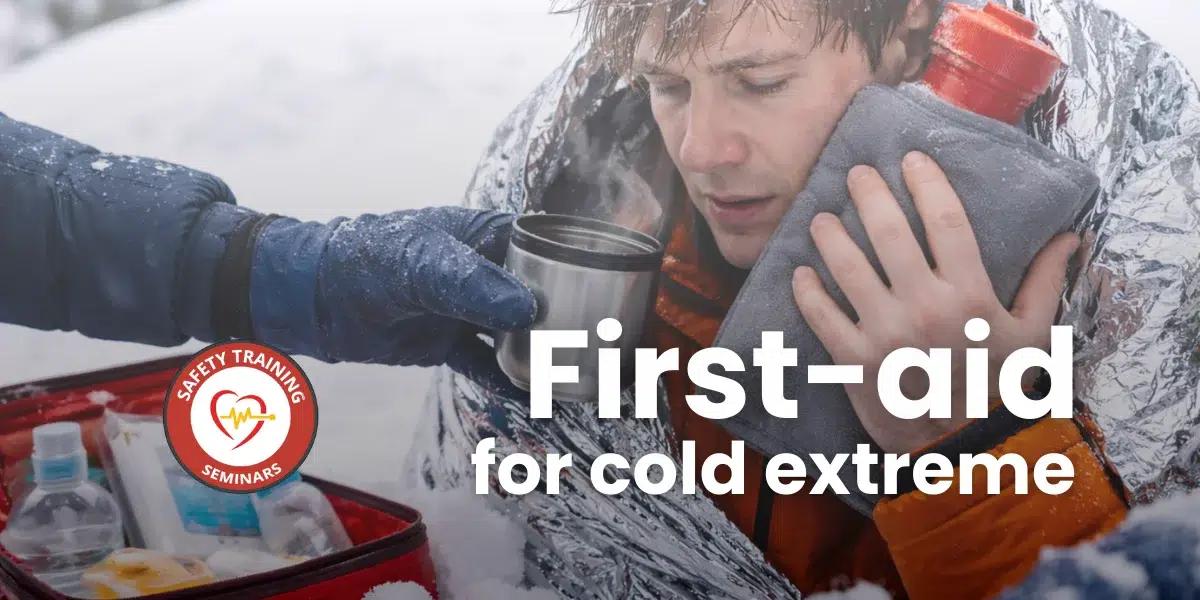
Extreme cold can be life-threatening, especially during winter storms, outdoor adventures, or in unheated environments. Knowing first aid, understanding how to help, and acting promptly can prevent serious injury or death. This guide provides practical steps to manage cold-related emergencies and protect yourself and others.
Understanding Cold-Related Illnesses
Exposure to extreme cold can cause various health issues, ranging from mild frostbite to life-threatening hypothermia. Recognizing the signs early is crucial.
- Frostbite occurs when skin and tissues freeze, often affecting fingers, toes, ears, and nose.
- Hypothermia develops when body temperature drops dangerously below 95°F (35°C), affecting vital organs.
- Chilblains cause painful inflammation of small blood vessels in response to repeated exposure to cold.
Understanding these conditions helps you determine the severity of the situation and apply the correct first aid measures.
Immediate First Aid Steps
Providing prompt care can prevent complications and save lives. Here’s how to help someone affected by extreme cold:
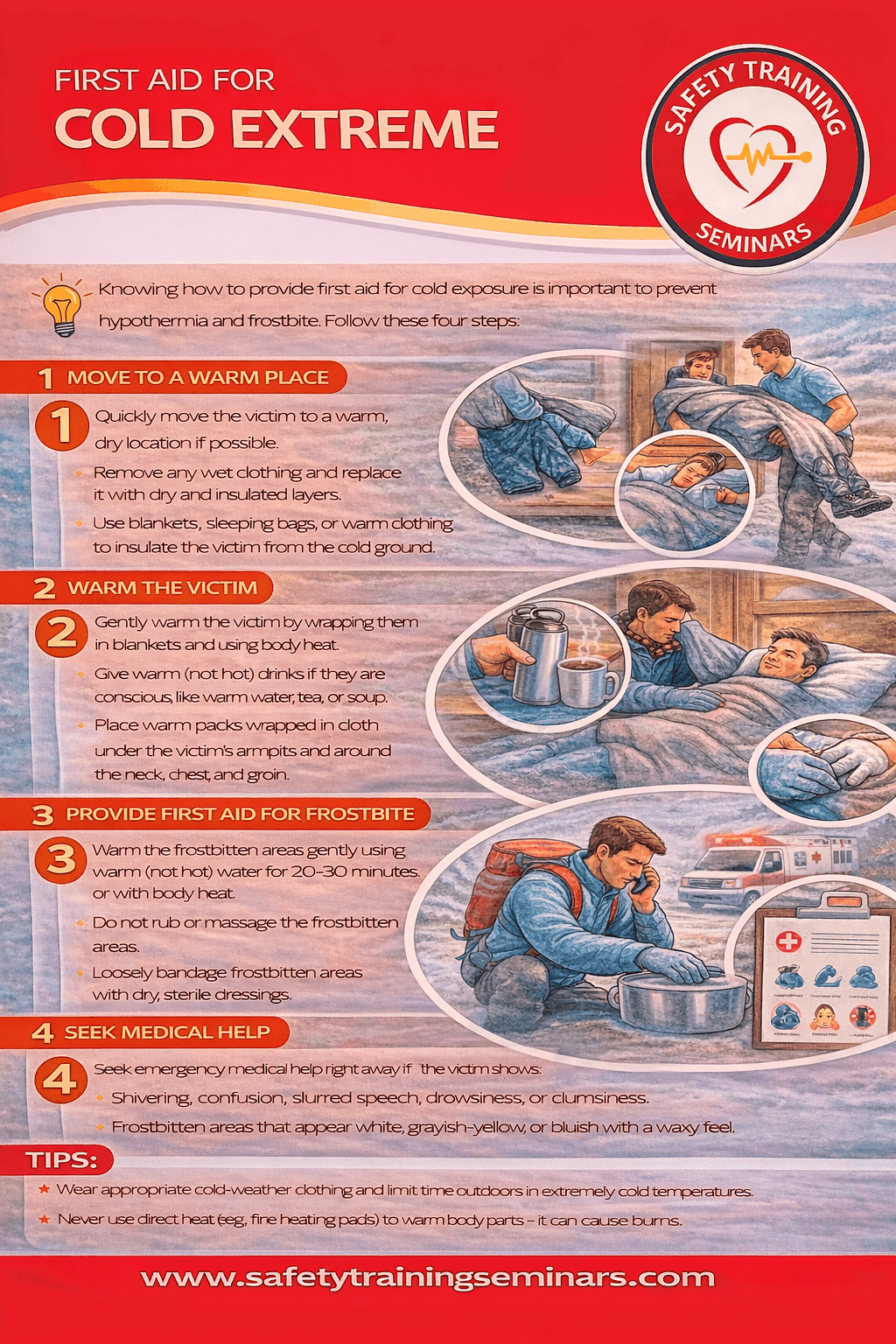
- Move the person to a warmer location to prevent further heat loss.
- Remove wet clothing and replace with dry, insulated layers or blankets.
- Gradually warm the body using warm packs or body heat; avoid direct heat like hot water, as it can cause burns.
- Monitor breathing and consciousness, as extreme cold can impair both.
- Encourage gentle movement of affected limbs if frostbite is present; avoid rubbing the skin aggressively.
Immediate action can stabilize the victim and reduce the risk of permanent damage.
Recognizing Severe Symptoms
Cold emergencies can escalate quickly. Knowing how to save someone requires careful observation of warning signs.
- Shivering that stops suddenly (a sign of severe hypothermia)
- Confusion, slurred speech, or drowsiness
- Pale, waxy, or numb skin
- Weak pulse or irregular breathing
If any of these symptoms appear, call emergency services immediately. Being able to identify these red flags can make the difference between life and death.
Treating Frostbite
Frostbite occurs when skin and underlying tissues freeze. Early care can prevent tissue loss:
- Soak affected areas in warm (not hot) water for 15–30 minutes.
- Avoid rubbing or massaging, which can damage tissues.
- Cover fingers and toes individually with sterile gauze afer warming.
- Avoid walking on frostbitten feet until medical help is obtained.
Frostbite treatment requires patience and gentle care to prevent long-term damage while waiting for professional assistance.
Managing Hypothermia
Hypothermia is a medical emergency. Immediate intervention is essential.
- Move the person indoors or shield them from wind and cold.
- Remove wet clothing and wrap the victim in blankets, including head and neck.
- Offer warm, non-alcoholic beverages if the victim is conscious.
- Monitor breathing and pulse, and be ready to provide CPR if necessary.
Slow, steady warming is key. Rapid rewarming, especially in limbs, can worsen the situation. Knowledge of BLS principles ensures you can respond if the victim becomes unresponsive.
When to Seek Professional Help
Even with proper first aid, extreme cold can have delayed effects. Seek medical attention if:
- Hypothermia symptoms persist or worsen
- Frostbite blisters develop after warming
- Confusion, drowsiness, or unconsciousness occurs
- Cold-related injuries involve children, elderly, or chronically ill individuals
Medical professionals can provide specialized care, includng rewarming techniques, wound care, and monitoring for complications. Understanding how to help also includes knowing when professional care is essential.
Preventing Cold-Related Injuries
Prevention is the most effective way to reduce risk. Taking precautions ensures fewer emergencies and safer exposure to cold:
- Dress in layers and wear insulated, waterproof clothing
- Protect extremities with gloves, socks, and hats
- Limit time outdoors in extreme cold and take frequent warm-up breaks
- Educate children and others about safe outdoor practices
- Keep emergency supplies like blankets, warm drinks, and first aid kits accessible
By implementing preventive measures, you can reduce exposure and minimize the need for emergency first aid.
Combining First Aid with CPR and BLS Knowledge
Extreme cold can cause sudden collapse due to hypothermia or cardiac issues. Knowing CPR and BLS principles can be lifesaving:
- Recognize signs of cardiac arrest or respiratory failure in cold victims
- Start CPR immediately if the victim becomes unresponsive
- Continue to monitor and support vital signs until emergency help arrives
Being trained in first aid, CPR, and BLS ensures you are ready to act confidently in life-threatening cold emergencies.
Conclusion
Exposure to extreme cold requires swift action, careful monitoring, and proper first aid. Recognizing warning signs, providing gradual rewarming, and seeking professional care when necessary are essential to save lives. Combining preventive measures with CPR and BLS knowledge ensures safety for everyone, whether outdoors or in unheated environments.