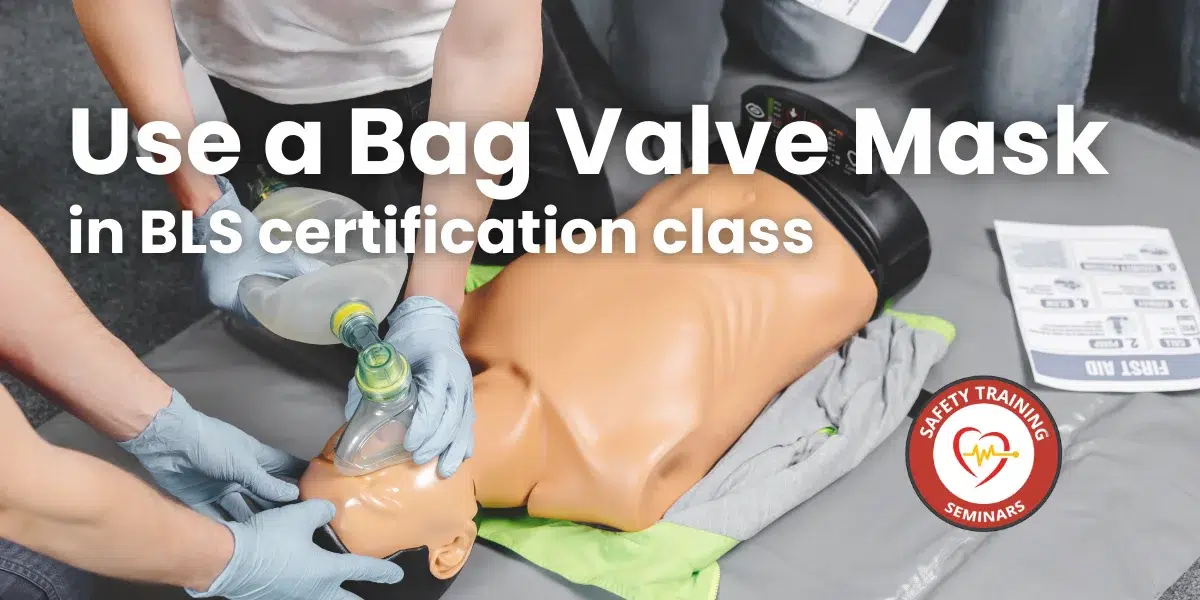
In medical emergencies, oxygen is life. When a person stops breathing or cannot breathe adequately, every second without oxygen increases the risk of permanent damage or death. This is where the Bag Valve Mask (BVM) becomes one of the most critical tools taught in a BLS certification class. Understanding how to use a BVM properly can significantly improve patient outcomes and support effective resuscitation efforts.
This educational guide explains how to use a Bag Valve Mask in a BLS certification class, why it matters, and how it integrates with First Aid, CPR, and BLS training. Whether you are a healthcare professional, a workplace responder, or a student preparing for certification, this knowledge can help you understand how to save lives and how to help in high-stress situations.
What Is a Bag Valve Mask and Why It Matters in BLS
A Bag Valve Mask is a handheld device used to provide positive pressure ventilation to a person who is not breathing or is breathing inadequately. It consists of a self-inflating bag, a one-way valve, and a face mask that seals over the patient’s nose and mouth. In a BLS setting, the BVM plays a vital role in delivering oxygen when spontaneous breathing is absent or ineffective.
In a BLS certification class, learners focus on using the BVM safely and efficiently. Proper ventilation helps maintain oxygen levels in the blood, supports brain function, and complements CPR efforts. Because oxygen deprivation can lead to rapid deterioration, mastering BVM use is essential for anyone involved in emergency response.
Key reasons the BVM is emphasized in BLS training include:
- It provides controlled breaths when a patient cannot breathe on their own
- It supports CPR by ensuring oxygen delivery
- It can be used in both adult and pediatric emergencies
- It allows rescuers to assist breathing without direct mouth-to-mouth contact
When a Bag Valve Mask Is Used During an Emergency
Understanding when to use a Bag Valve Mask is just as important as knowing how to use it. In BLS scenarios, the BVM is typically used when a patient is unresponsive and not breathing normally, or when breathing is slow and ineffective. Early recognition of these signs allows responders to act quickly and prevent further harm.
In many situations, BVM ventilation works alongside CPR rather than replacing it. Chest compressions help circulate blood, while the BVM delivers oxygen into the lungs. Together, they form a coordinated response aimed at sustaining life until advanced care arrives.
Common situations where BVM use is appropriate include:
- Cardiac arrest with absent or abnormal breathing
- Respiratory failure or severe breathing distress
- Unconscious patients with a pulse but no effective breathing
- Overdose or medical emergencies affecting respiration
By learning these indications in a BLS certification class, responders gain the confidence to step in and provide effective First Aid when it matters most.
Preparing the Bag Valve Mask for Proper Use
Before delivering ventilations, preparation is essential. A BLS certification class teaches students to check the equipment quickly while maintaining focus on the patient. Even in high-pressure moments, proper setup ensures effective oxygen delivery and reduces complications.
First, the responder selects the correct mask size to create a tight seal over the patient’s face. A poor seal can allow air to escape, reducing the effectiveness of ventilation. Next, the bag is connected securely to the mask and, if available, an oxygen source.
Important preparation steps include:
- Choosing the correct mask size for the patient
- Ensuring all components are securely connected
- Positioning the patient on their back on a firm surface
- Opening the airway using proper positioning techniques
These steps help ensure the BVM functions correctly and supports high-quality care during CPR and BLS interventions.
How to Properly Use a Bag Valve Mask During BLS
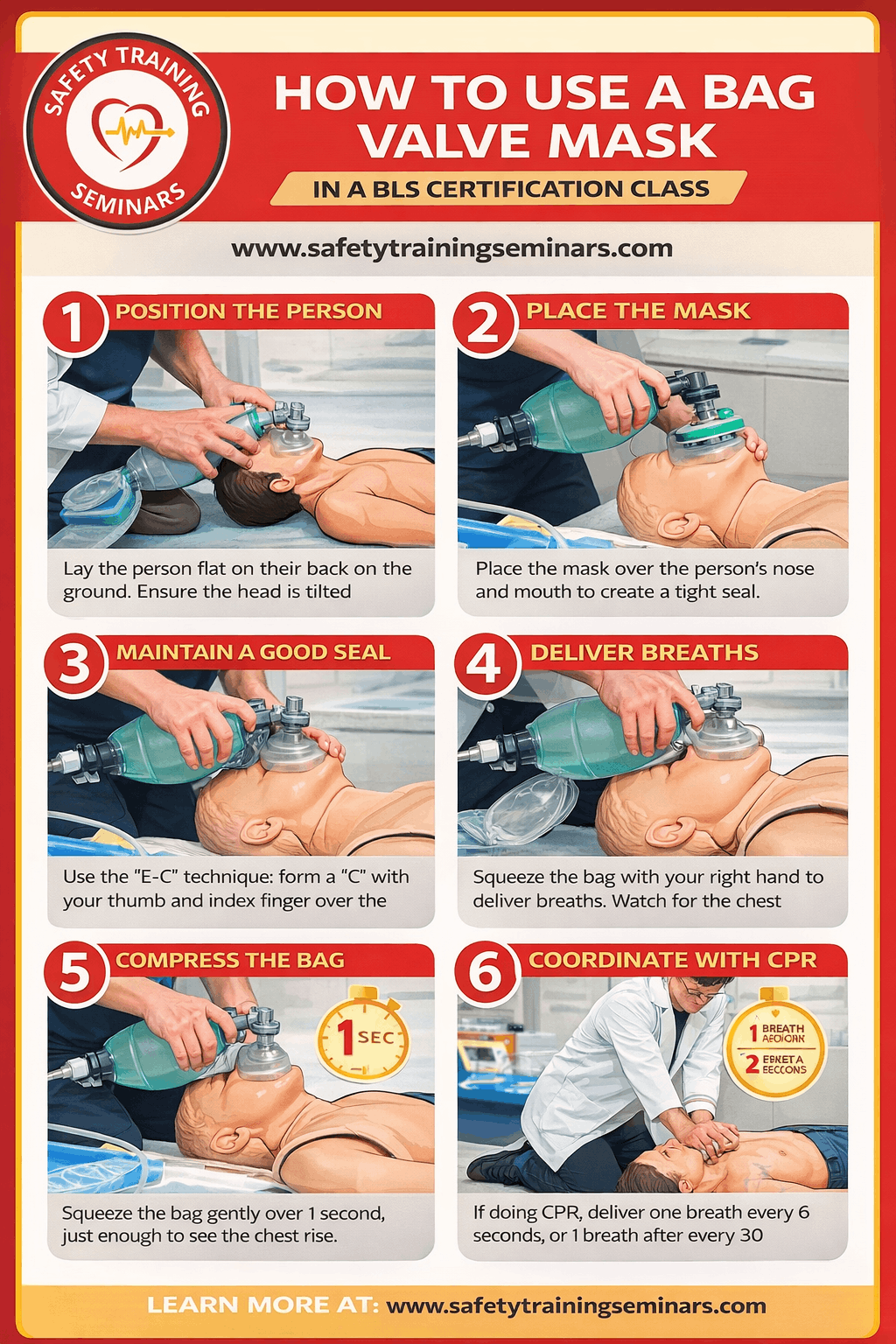
Using a Bag Valve Mask correctly requires coordination, proper hand placement, and controlled ventilation. In a BLS certification class, students practice technique repeatedly to build muscle memory and confidence. Effective ventilation avoids excessive pressure while delivering enough air to make the chest rise.
The most effective method often involves two rescuers, where one maintains the mask seal and airway position while the other squeezes the bag. However, single-rescuer use is also taught for situations where help is limited.
Key technique principles emphasized in training include:
- Maintaining a firm mask seal using proper hand positioning
- Delivering slow, controlled breaths
- Watching for visible chest rise rather than forceful squeezing
- Allowing the bag to fully re-inflate between breaths
By following these principles, responders reduce the risk of complications and improve oxygen delivery, reinforcing how to help effectively during life-threatening emergencies.
Common Mistakes to Avoid When Using a BVM
Even well-intentioned responders can make mistakes when using a Bag Valve Mask, especially under stress. A quality BLS certification class addresses these errors so students learn what to avoid and why technique matters. Awareness of common mistakes can significantly improve patient safety.
One frequent issue is over-ventilation, which can force air into the stomach and increase the risk of vomiting. Another concern is a poor mask seal, which reduces oxygen delivery and wastes valuable time.
Mistakes to watch for include:
- Squeezing the bag too forcefully or too quickly
- Failing to maintain proper airway positioning
- Using an incorrect mask size
- Ignoring chest rise as a visual confirmation
By correcting these habits early in training, responders strengthen their ability to deliver effective First Aid and support successful resuscitation.
How BVM Ventilation Works Together With CPR
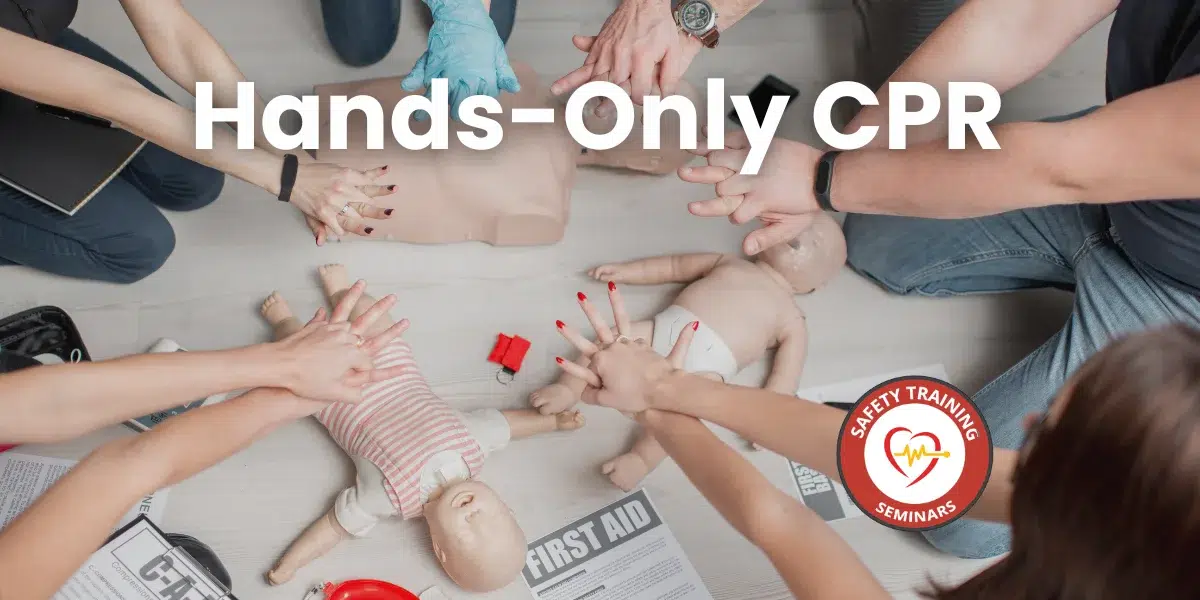
A Bag Valve Mask does not replace CPR; instead, it enhances it. In BLS scenarios, chest compressions circulate oxygenated blood, while the BVM ensures oxygen enters the lungs. When performed together, these actions support vital organs and increase the chance of survival.
BLS certification classes emphasize teamwork and communication during resuscitation. Coordinating compressions and ventilations prevents interruptions and maintains a steady rhythm. This integration is especially important in cardiac emergencies where oxygen delivery and circulation must work hand in hand.
Key integration concepts include:
- Minimizing interruptions in chest compressions
- Timing ventilations appropriately with CPR cycles
- Communicating clearly with team members
- Monitoring patient response continuously
This coordinated approach demonstrates how to save lives through effective teamwork and skill application.
Why BLS Certification Builds Confidence With Life-Saving Tools
Learning to use a Bag Valve Mask in a BLS certification class goes beyond technical skill. It builds confidence, reduces hesitation, and prepares responders to act decisively. Education transforms fear into action, empowering people to step forward during emergencies rather than waiting for others.
Through hands-on practice, scenario-based learning, and clear instruction, BLS training ensures responders understand not only what to do, but why it matters. This deeper understanding strengthens decision-making and improves overall emergency response.
Benefits of BLS training include:
- Increased confidence in emergency situations
- Improved coordination during CPR and ventilation
- Better understanding of airway management
- Stronger life-saving skills applicable in real-world settings
Ultimately, BLS education equips individuals with the knowledge and tools to respond when lives are on the line.
Final Thoughts: Turning Knowledge Into Action
Emergencies rarely come with warning, but preparation makes all the difference. Knowing how to use a Bag Valve Mask in a BLS certification class empowers individuals to deliver oxygen, support breathing, and protect life until advanced care arrives. This skill complements First Aid, CPR, and BLS training and strengthens the entire chain of survival.
By understanding proper technique, avoiding common mistakes, and practicing teamwork, responders can act with confidence and purpose. When seconds matter, this knowledge helps people understand how to help, how to save, and how to make a meaningful impact during critical moments.