Dog bites can range from minor scratches to severe injuries, sometimes becoming life-threatening. Understanding first aid, knowing how to help, and recognizing the warning signs of infection or serious trauma are essential for keeping yourself and others safe. In this guide, we will cover practical steps to respond to dog bites effectively and provide critical care until medical help arrives.
Understanding Dog Bites
Dog bites are more common than many realize, and the severity depends on the dog’s size, strength, and whether the bite breaks the skin. Common symptoms include puncture wounds, bleeding, bruising, swelling, and sometimes broken bones. In severe cases, dog bites can cause nerve or tendon damage.
- Most bites occur on the hands, arms, or legs.
- Children are at higher risk of serious injury due to their smaller size.
- Even small scratches can introduce bacteria leading to infections.
Recognizing the seriousness of a bite is the first step in providing proper first aid and ensuring timely medical intervention.
Immediate First Aid Steps
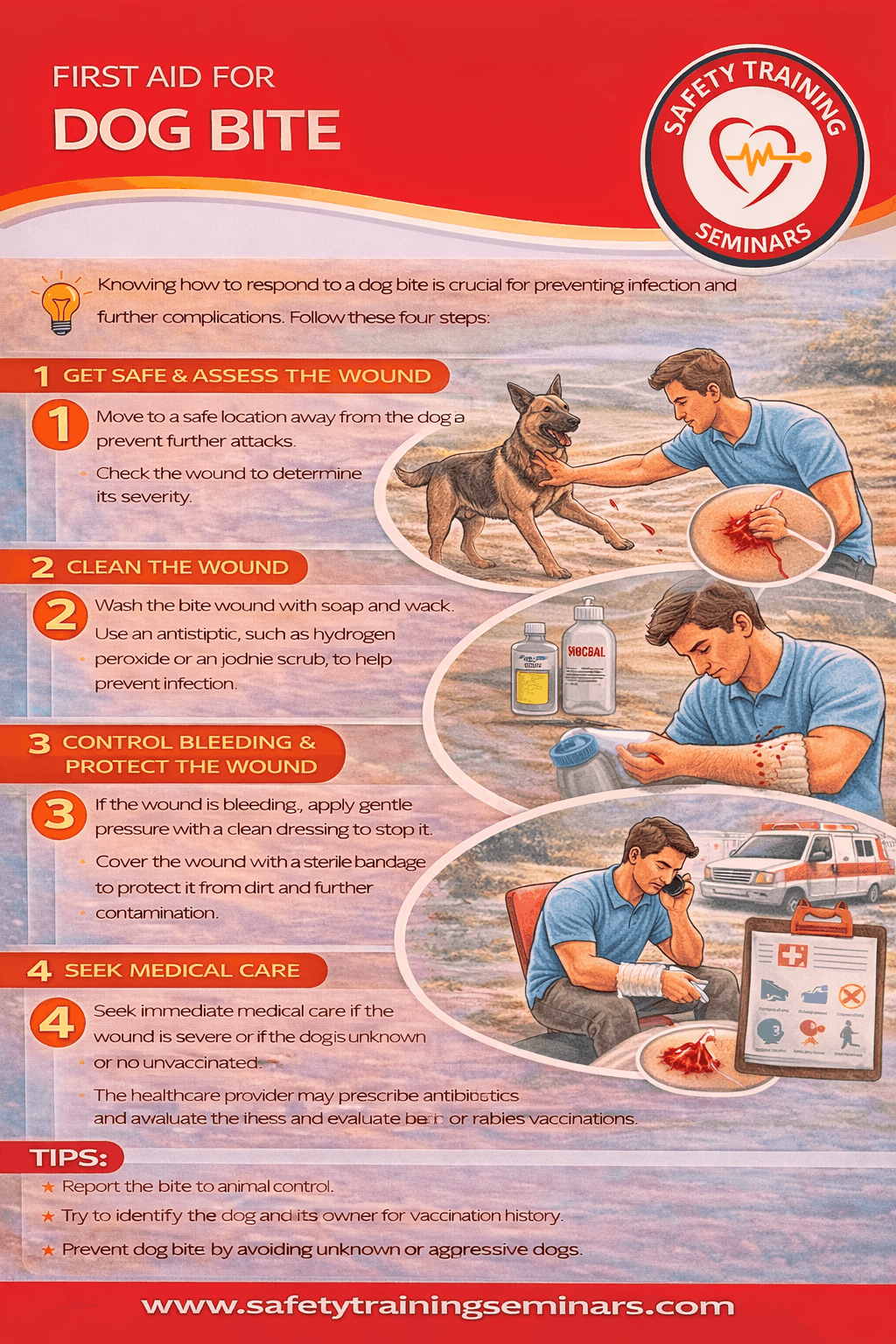
Quick and correct action after a dog bite can prevent infection and serious complications. Here’s how to help effectively:
- Wash the wound thoroughly with soap and running water for at least 5 minutes.
- Apply an antiseptic like iodine or hydrogen peroxide to reduce bacterial contamination.
- Control bleeding by applying gentle pressure with a clean cloth or sterile bandage.
- Elevate the affected limb to minimize swelling.
- Avoid closing the wound if it is deep; leave it open and covered with a sterile dressing.
Immediate first aid significantly lowers the risk of infection and prepares the victim for further medical treatment.
Assessing the Risk of Infection
Dog bites carry a high risk of bacterial infection, which can progress quickly if untreated. Signs of infection to monitor include redness, warmth, swelling, pus, and fever.
- Some dog bites may require a tetanus booster if the vaccination is outdated.
- Rabies risk exists if the dog’s vaccination status is unknown.
- Clean minor wounds carefully, but seek medical help for deep punctures, severe lacerations, or bites to the face, hands, or joints.
Understanding how to save someone from complications means recognizing infection early and acting immediately.
Pain Management and Comfort
After stabilizing the wound, reducing pain and swelling is important. Over-the-counter medications like acetaminophen or ibuprofen can be used to manage discomfort.
- Avoid taking aspirin for children, as it may cause complications.
- Apply a cold pack to reduce swelling and bruising.
- Keep the wound clean and dry, changing dressings regularly.
Comfort measures should always be accompanied by vigilant observation for any changes in the wound, ensuring that infection or complications do not develop.
When to Seek Professional Help
Not all dog bites require hospitalization, but some situations demand urgent medical attention. Seek help immediately if:
- Bleeding is uncontrolled despite pressure
- The bite is deep or punctured near a joint, face, or hand
- Signs of infection appear, such as pus, spreading redness, or fever
- The victim experiences dizziness, confusion, or severe pain
Medical professionals can provide wound cleaning, antibiotics, tetanus shots, or even rabies treatment if necessary. Knowing how to help also involves recognizing when professional care is essential.
Preventing Dog Bites
Prevention is always better than treatment. Teaching safety measures around dogs can reduce bite incidents significantly.
- Avoid approaching unfamiliar dogs, especially when they are eating or caring for puppies.
- Do not provoke or tease dogs.
- Train children on safe behavior around pets.
- Use leashes, secure fences, and proper supervision to minimize risk.
By following these steps, you minimize the likelihood of a bite, reducing the need for first aid interventions.
Combining First Aid with CPR and BLS Knowledge
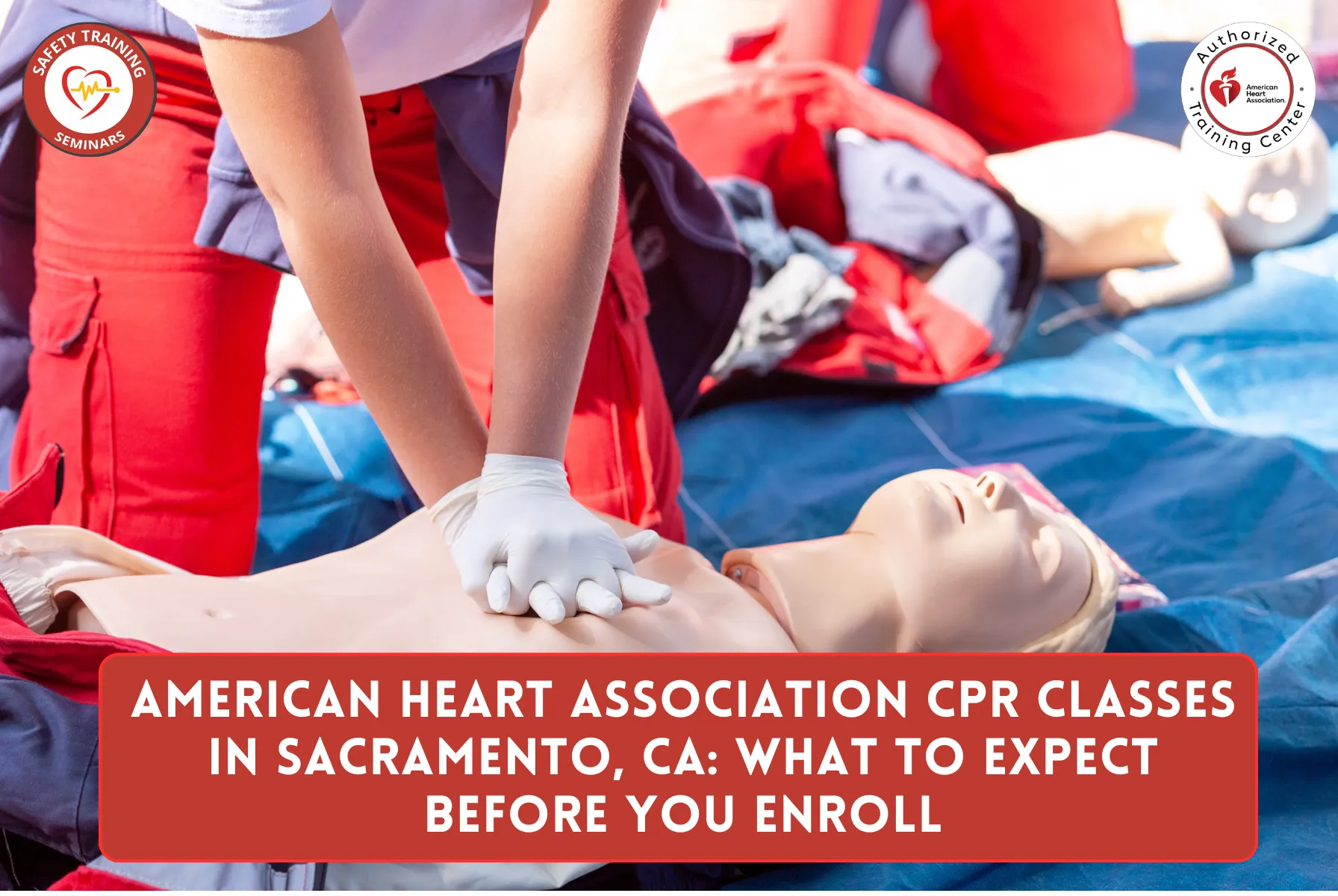
While most dog bites are not immediately life-threatening, severe trauma or allergic reactions can escalate rapidly. Knowledge of CPR and BLS (Basic Life Support) can be invaluable if the bite leads to shock, unconsciousness, or cardiac arrest:
- Recognize signs of severe shock, such as pale skin, rapid pulse, or fainting
- Perform CPR if the victim loses consciousness or stops breathing
- Be ready to provide essential information to emergency responders
Being trained in first aid, CPR, and BLS equips you to handle dog bites and other emergencies confidently, increasing the chances of survival.
Emotional Support and Recovery
Dog bites can be physically and emotionally traumatic. Providing reassurance and support is part of effective first aid care:
- Encourage the victim to stay calm and breathe slowly
- Explain the steps being taken to manage the injury
- Monitor for anxiety or signs of distress, especially in children
Emotional care helps reduce shock, supports recovery, and ensures the victim remains cooperative while receiving treatment.
Conclusion
Dog bites require immediate attention, proper first aid, and careful monitoring. Knowing how to help and recognizing signs of infection, severe trauma, or allergic reactions can save lives. Combining preventive measures with emergency preparedness ensures safety for everyone, while knowledge of CPR and BLS provides confidence in handling life-threatening situations.