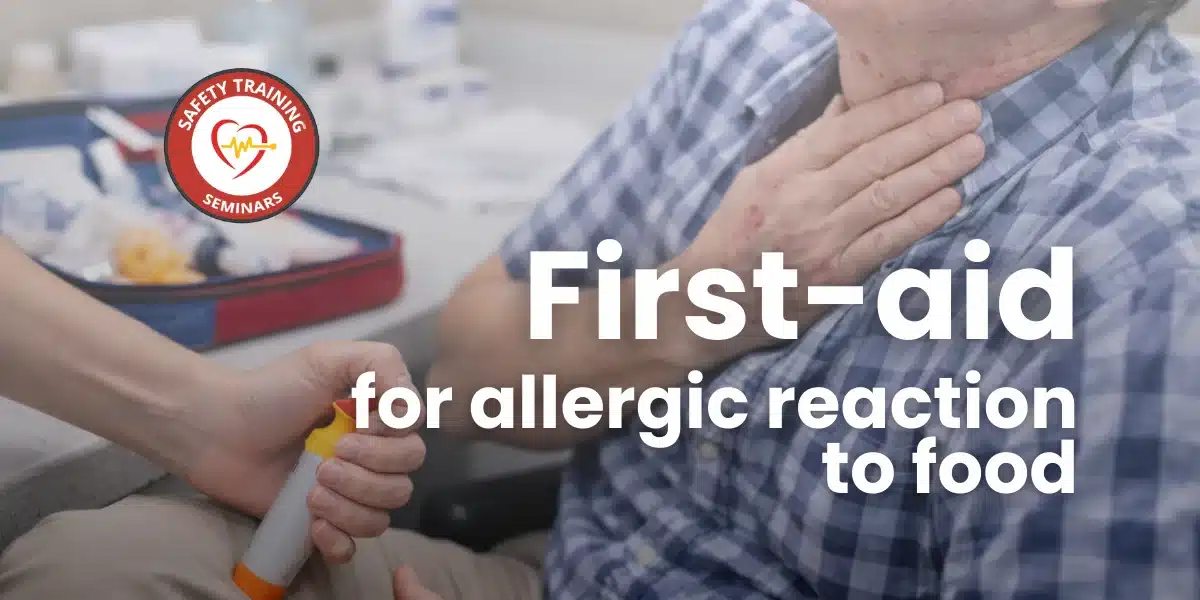
Food allergies can trigger mild to severe reactions, sometimes becoming life-threatening within minutes. Knowing first aid, recognizing warning signs, and acting promptly can save lives. This guide provides practical steps on how to respond effectively to food-related allergic reactions, ensuring safety for yourself and others.
Understanding Food Allergies
Food allergies occur when the immune system mistakenly identifies certain foods as harmful. Common allergens include peanuts, tree nuts, shellfish, milk, eggs, and soy. Reactions can range from mild symptoms like hives to severe anaphylaxis.
- Mild reactions: itching, redness, rash, or stomach upset
- Moderate reactions: swelling of lips, tongue, or throat, abdominal pain, or vomiting
- Severe reactions: difficulty breathing, dizziness, rapid heartbeat, or loss of consciousness
Recognizing the severity is the first step in providing proper first aid and knowing how to help before professional care arrives.
Immediate First Aid Steps
Quick and correct intervention is critical for managing food allergic reactions. Here’s how to help someone experiencing a reaction:
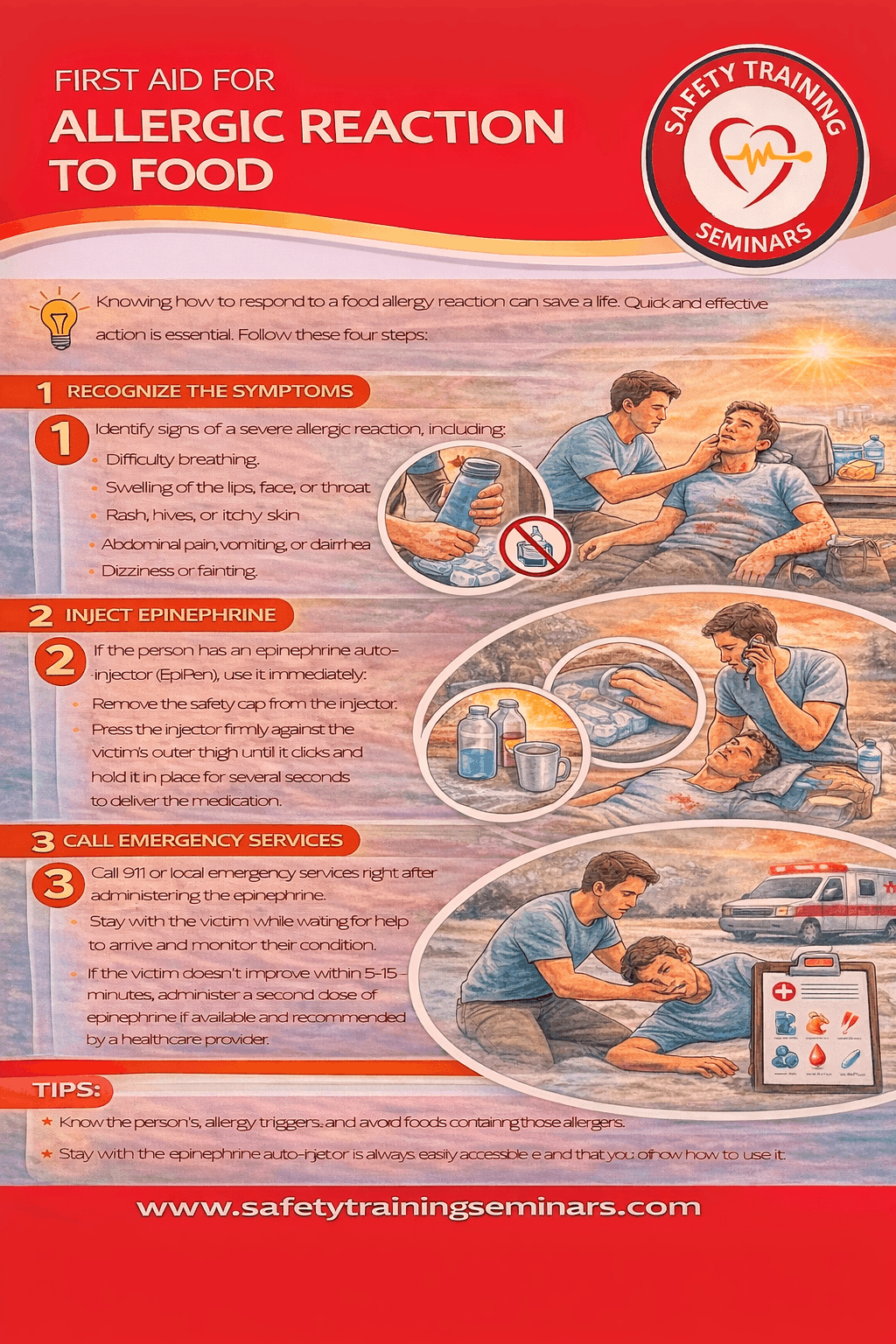
- Assess the severity of symptoms. Severe reactions require urgent medical attention.
- Call emergency services if the person shows signs of difficulty breathing, swelling of the throat, or dizziness.
- Administer an epinephrine auto-injector immediately if prescribed and available.
- Keep the person calm and seated or lying down to prevent fainting.
- Monitor vital signs, including breathing, pulse, and consciousness.
Prompt first aid reduces the risk of progression to life-threatening anaphylaxis and increases survival chances.
Recognizing Severe Symptoms
Identifying the signs of a severe allergic reaction is crucial. Knowing how to save someone starts with careful observation.
- Swelling of lips, tongue, or throat
- Difficulty breathing, wheezing, or shortness of breath
- Rapid or weak pulse
- Dizziness, fainting, or confusion
- Nausea, vomiting, or abdominal pain
If any of these signs appear, immediate intervention is necessary. Quick recognition allows you to act decisively and provide life-saving care.
Administering Epinephrine
Epinephrine is the first-line treatment for severe food allergies and can reverse the life-threatening effects of anaphylaxis.
- Use an epinephrine auto-injector immediately if symptoms of severe reaction appear
- Inject into the outer thigh, through clothing if necessary
- Stay with the person and monitor for improvement or recurrence of symptoms
- A second dose may be necessary if symptoms do not improve within 5–15 minutes and emergency services are delayed
Proper use of epinephrine is a critical component of first aid and can be the difference between life and death.
Supporting Recovery
After administering epinephrine or managing mild reactions, supportive care is essential:
- Monitor breathing and pulse until medical professionals arrive
- Keep the person calm and comfortable, avoiding unnecessary movement
- Provide oral antihistamines for mild symptoms like hives or itching, if safe and approved by a healthcare provider
- Observe for biphasic reactions, which can occur hours after the initial reaction
Effective supportive care ensures stability while waiting for professional treatment.
When to Seek Professional Hel
Even if symptoms improve after initial first aid, seeking medical attention is always necessary.
- Severe reactions always require hospital evaluation
- Victims should be monitored for delayed reactions or complications
- Children, elderly, and individuals with chronic conditions may need additional care
- Medical professionals may provide oxygen, IV fluids, or additional medications
Understanding how to help includes knowing that professional assessment is a crucial part of the emergency response.
Preventing Food Allergic Reactions
Prevention reduces the risk of emergencies and the need for first aid interventions:
- Always read food labels carefully for allergens
- Educate children and adults about avoiding known allergens
- Carry an epinephrine auto-injector if prescribed
- Inform restaurants and caregivers about allergies
- Create an emergency action plan for quick response
By implementing preventive strategies, you minimize the risk of exposure and improve overall safety.
Combining First Aid with CPR and BLS Knowledge
Severe allergic reactions can lead to shock, collapse, or cardiac arrest. Knowledge of CPR and BLS (Basic Life Support) can be life-saving:
- Recognize signs of cardiac arrest or severe respiratory distress
- Perform CPR if the victim becomes unresponsive or stops breathing
- Monitor vital signs continuously until emergency services arrive
Being trained in first aid, CPR, and BLS equips you to respond confidently and effectively to life-threatening food allergy emergencies.
Conclusion
Food allergies can escalate rapidly, but immediate first aid, careful monitoring, and timely professional intervention can save lives. Recognizing symptoms, administering epinephrine, and providing supportive care are critical. Combining preventive strategies with CPR and BLS knowledge ensures safety and preparedness in every situation.