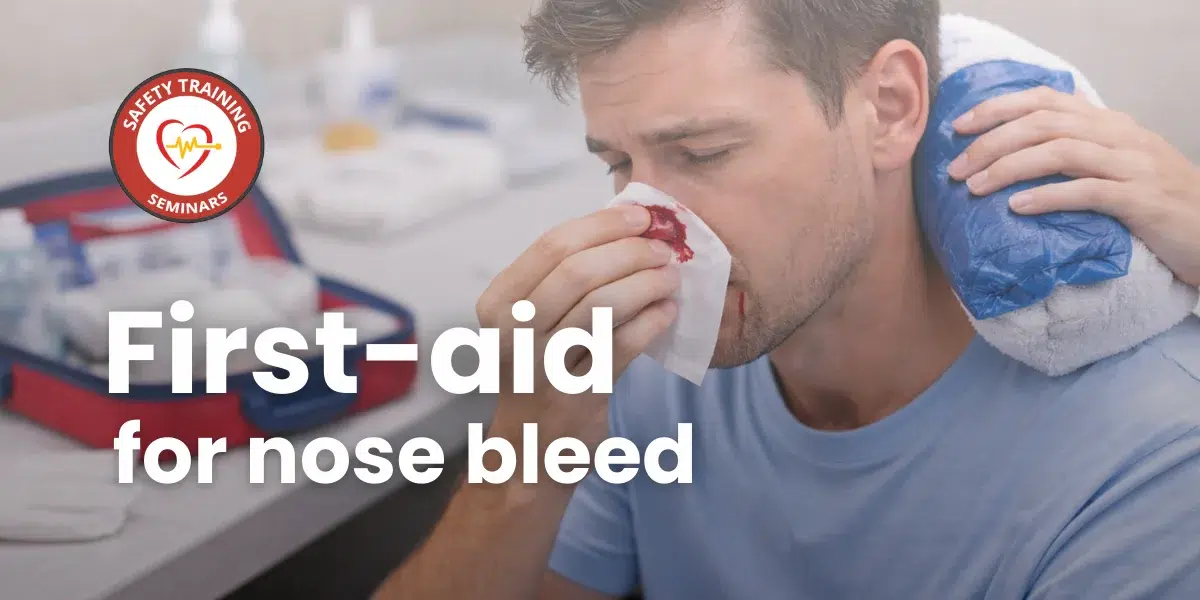
Nosebleeds, medically known as epistaxis, are common emergencies that can occur from minor injuries, dry air, or underlying health conditions. While most nosebleeds are not life-threatening, knowing first aid, understanding how to help, and acting promptly can prevent complications and save lives. This guide provides practical steps to manage nosebleeds effectively.
Understanding Nose Bleeds
Nosebleeds occur when the tiny blood vessels inside the nose rupture. They can be classified as anterior (from the front of the nose) or posterior (from deeper inside).
- Anterior nosebleeds are most common and usually stop with simple care.
- Posterior nosebleeds are less common but more serious and may require medical intervention.
- Causes include trauma, dry air, allergies, high blood pressure, blood-thinning medications, or underlying medical conditions.
Understanding the type and cause of the nosebleed helps determine the best approach for first aid and ensures you know how to help effectively.
Immediate First Aid Steps
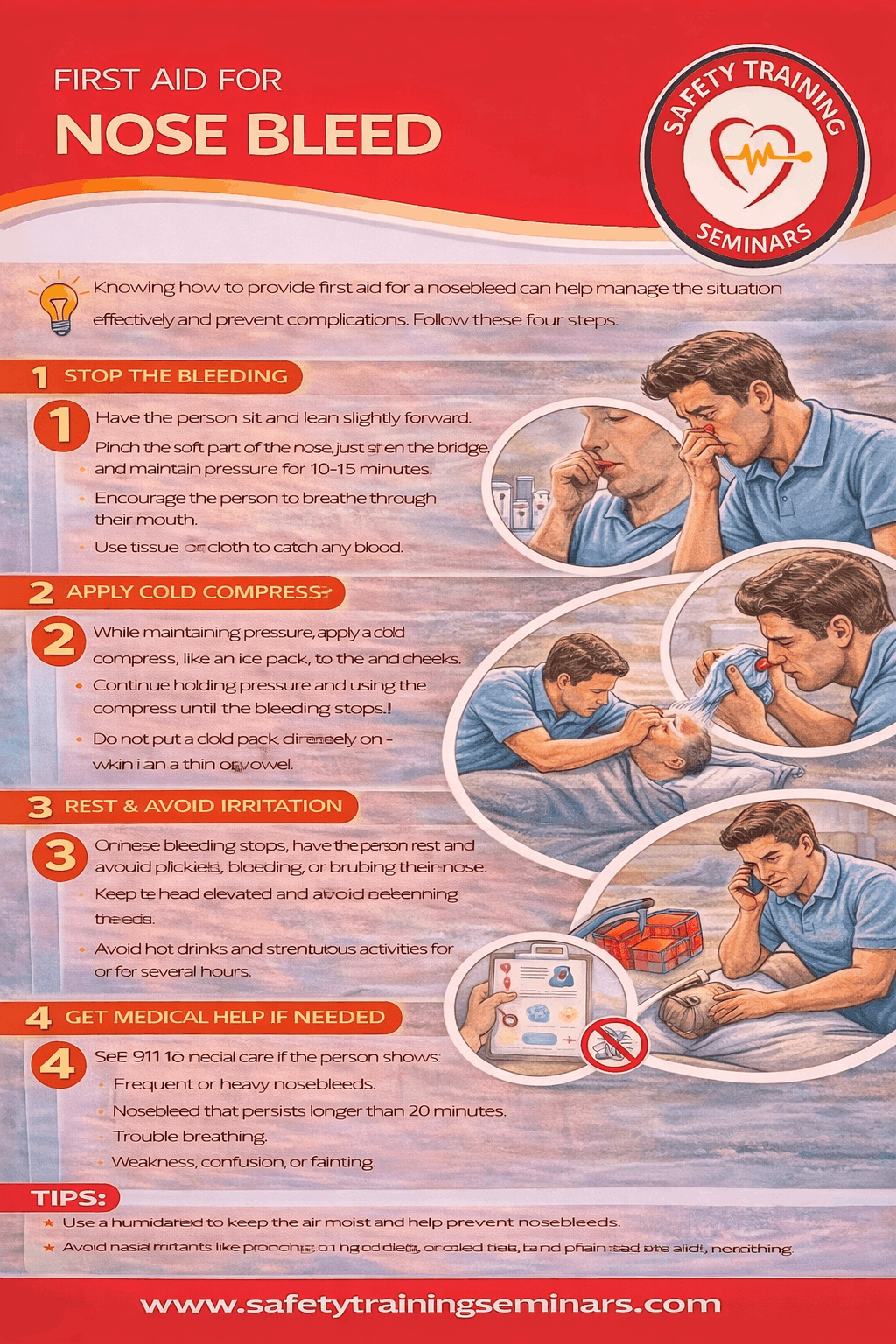
Providing quick and proper care can control bleeding and prevent further complications. Here’s how to help someone with a nosebleed:
- Have the person sit upright to reduce blood pressure in the nasal vessels.
- Lean forward slightly, preventing blood from flowing into the throat, which can cause nausea or vomiting.
- Pinch the soft part of the nose just below the bridge for 10–15 minutes without releasing pressure.
- Apply a cold compress to the nose or cheeks to constrict blood vessels and reduce bleeding.
- Avoid tilting the head back, as this can cause choking or swallowing blood.
Prompt and proper first aid can stop most nosebleeds and prevent unnecessary complications.
Recognizing Severe Nose Bleeds
While most nosebleeds are minor, some require urgent medical attention. Knowing how to save someone means recognizing when bleeding is severe.
- Continuous bleeding lasting more than 20 minutes
- Heavy bleeding or blood loss that soaks clothing
- Nosebleeds following a serious injury or head trauma
- Signs of anemia or dizziness
- Bleeding in individuals on blood-thinning medications
If any of these symptoms appear, seek professional help immediately. Early recognition ensures life-threatening situations are addressed quickly.
Supporting Recovery
After controlling a nosebleed, proper care prevents recurrence and promotes healing.
- Encourage the person to rest quietly for a few hours after bleeding stops
- Avoid nose blowing, picking, or heavy lifting for at least 24 hours
- Keep the nasal passages moist with saline sprays or humidifiers, especially in dry environments
- Offer over-the-counter pain relief for any discomfort, if needed
Supporting recovery is an important aspect of first aid, helping the person avoid further complications.
When to Seek Professional Help
Even with proper first aid, some nosebleeds require medical evaluation. Seek help if:
- Nosebleeds recur frequently without clear cause
- Posterior bleeding or severe trauma is suspected
- The person has a known bleeding disorder or is taking anticoagulant medications
- Dizziness, weakness, or fainting occurs during or after the nosebleed
Medical professionals can provide advanced care, including cauterization, nasal packing, or treatment for underlying conditions. Knowing how to help includes knowing when to escalate care.
Preventing Nose Bleeds
Prevention reduces the likelihood of future episodes and decreases the need for emergency first aid.
- Keep nasal passages moist using saline sprays or gels
- Use a humidifier in dry environments
- Avoid picking or forcefully blowing the nose
- Wear protective gear during sports or activities prone to facial injury
- Manage underlying conditions, such as high blood pressure or allergies
Implementing preventive strategies improves overall nasal health and reduces the risk of emergency situations.
Combining First Aid with CPR and BLS Knowledge
In rare cases, severe nosebleeds can lead to shock, fainting, or complications in vulnerable individuals. Knowledge of CPR and BLS (Basic Life Support) is valuable:
- Recognize signs of fainting or collapse in individuals with significant blood loss
- Be prepared to perform CPR if the person becomes unresponsive or stops breathing
- Monitor vital signs, including pulse and breathing, while waiting for emergency services
Being trained in first aid, CPR, and BLS ensures you are ready to handle life-threatening situations confidently.
Conclusion
Nosebleeds are common but can sometimes become serious. Proper first aid, careful monitoring, and timely professional intervention can prevent complications and save lives. Recognizing severe symptoms, providing immediate care, and knowing how to help are essential. Combining preventive strategies with CPR and BLS knowledge ensures safety and preparedness for all individuals.