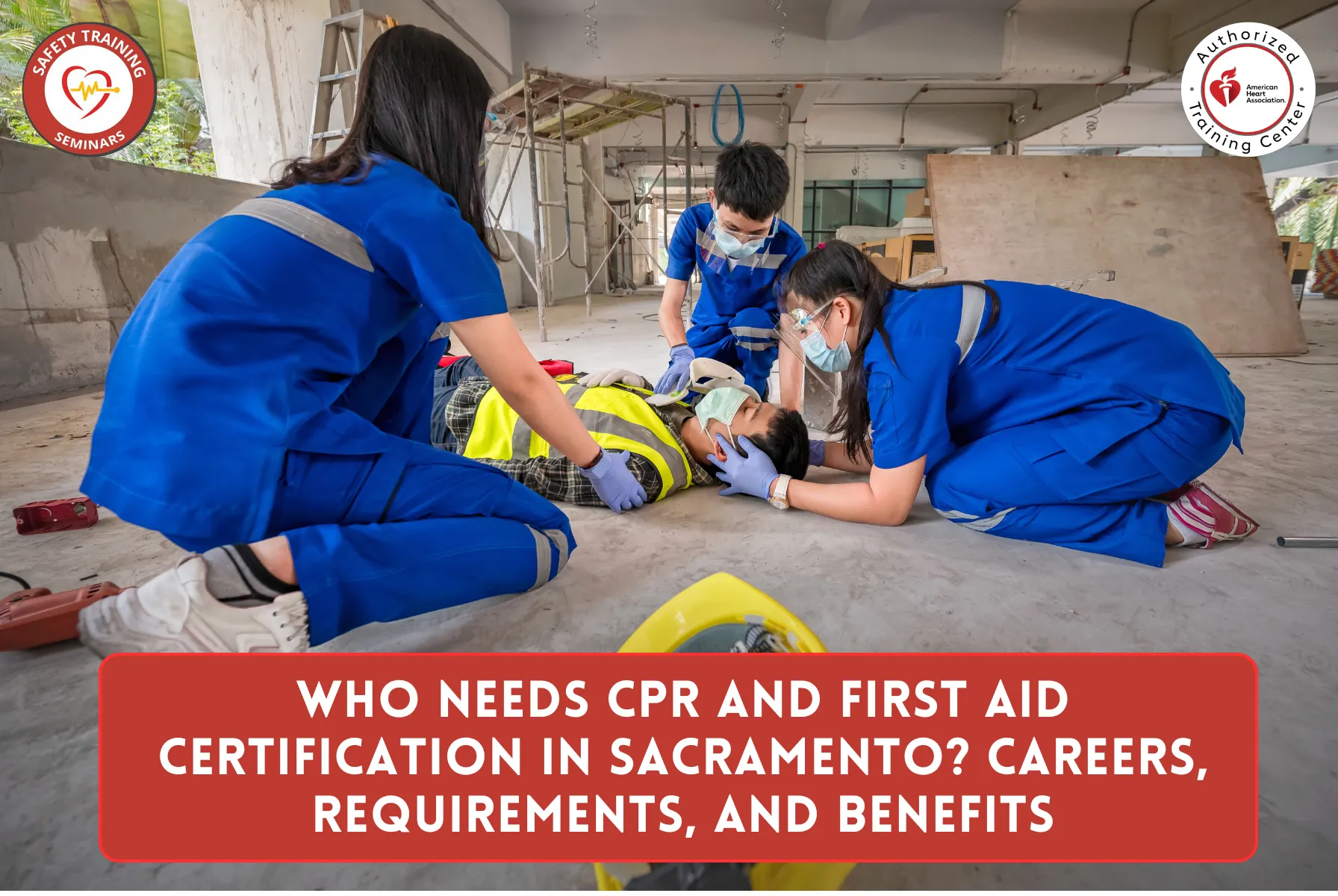
Extreme heat can be dangerous and even life-threatening. During heatwaves, outdoor activities, or working in high-temperature environments, understanding first aid, knowing how to help, and acting quickly can prevent severe injury or death. This guide provides practical steps to manage heat-related emergencies and protect yourself and others.
Understanding Heat-Related Illnesses
Exposure to high temperatures can lead to several health conditions, from mild heat exhaustion to life-threatening heatstroke. Recognizing the signs early is crucial.
- Heat cramps are painful muscle spasms caused by dehydration and loss of electrolytes.
- Heat exhaustion occurs when the body overheats, resulting in dizziness, nausea, heavy sweating, and weakness.
- Heatstroke is the most severe condition, characterized by high body temperature (above 104°F or 40°C), confusion, rapid pulse, and potential unconsciousness.
Understanding these conditions helps determine whether first aid is sufficient or if emergency medical attention is required.
Immediate First Aid Steps
Prompt action can prevent progression from mild to severe heat-related illness. Here’s how to help someone affected by extreme heat:
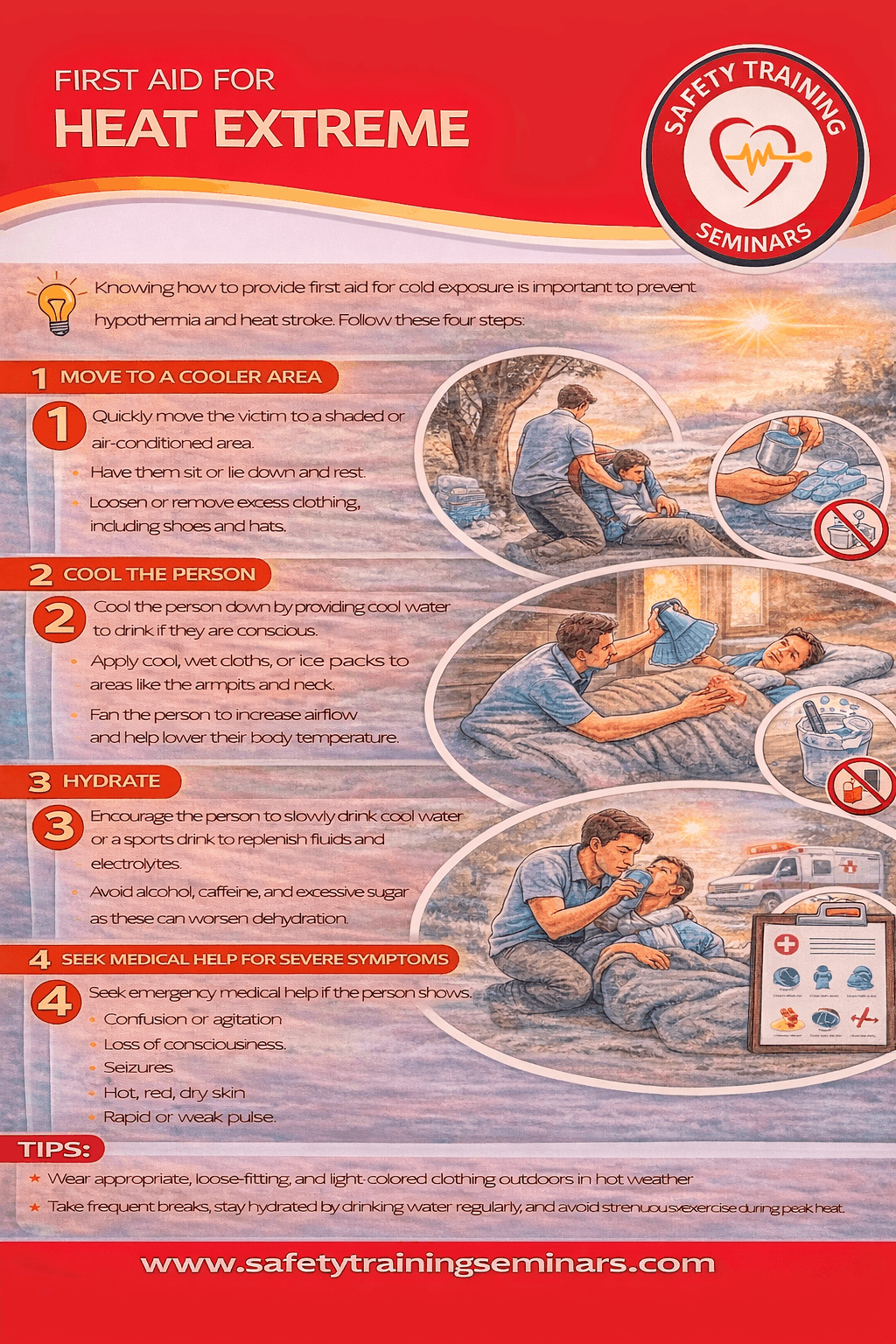
- Move the person to a cooler location, preferably in shade or an air-conditioned environment.
- Loosen or remove tight clothing to allow body heat to dissipate.
- Apply cool compresses or wet cloths to the forehead, neck, armpits, and groin.
- Offer small sips of water if the victim is conscious and able to swallow. Avoid large amounts at once.
- Encourage rest and relaxation, keeping the person calm to reduce strain on the heart and body.
Immediate first aid reduces the risk of serious complications, including organ damage or collapse.
Recognizing Severe Symptoms
Heat-related emergencies can escalate quickly. Knowing how to save someone depends on identifying critical signs early.
- Confusion, agitation, or hallucinations
- Hot, dry, or flushed skin
- Rapid heartbeat or breathing
- Nausea, vomiting, or fainting
- Unresponsiveness or unconsciousness
If any of these symptoms appear, call emergency services immediately. Recognizing the severity of the condition can make the difference between life and death.
Managing Heatstroke
Heatstroke is a medical emergency requiring immediate intervention. Proper care can save lives:
- Call emergency services immediately; do not wait for symptoms to worsen.
- Cool the person quickly using ice packs, cold towels, or immersion in cool water if possible.
- Monitor vital signs such as pulse, breathing, and level of consciousness.
- Avoid giving fluids if the victim is unconscious or vomiting.
Effective and timely action can prevent organ failure and improve survival rates.
Treating Heat Exhaustion
Heat exhaustion is less severe than heatstroke but still requires careful management:
- Move to a cooler area and elevate the legs slightly to improve blood flow.
- Encourage hydration with water or electrolyte solutions.
- Loosen clothing and remove heavy layers.
- Rest and monitor the victim for any progression toward heatstroke.
Knowledge of first aid ensures you can intervene early, preventing the condition from escalating.
When to Seek Professional Help
Even with proper first aid, heat-related illnesses can worsen quickly. Seek professional care if:
- Symptoms persist or worsen despite initial care
- Victim shows signs of heatstroke, such as high fever or unconsciousness
- Elderly, young children, or individuals with chronic illnesses are affected
- Vomiting, confusion, or rapid heartbeat occurs
Medical professionals can provide intravenous fluids, cooling treatments, and monitoring to prevent complications. Understanding how to help includes knowing when to call for help.
Prevention of Heat-Related Illnesses
Prevention is always the most effective strategy. By taking proactive measures, you can reduce the risk of heat emergencies:
- Wear lightweight, light-colored, and breathable clothing
- Stay hydrated and consume electrolyte-rich beverages
- Limit exposure during peak sun hours and take frequent breaks in shaded areas
- Educate children, outdoor workers, and elderly individuals about heat safety
- Keep emergency supplies, such as water, cool packs, and first aid kits, readily available
Implementing these preventive strategies minimizes exposure and reduces the need for emergency first aid interventions.
Combining First Aid with CPR and BLS Knowledge
Severe heat-related emergencies can lead to shock, collapse, or cardiac arrest. Knowledge of CPR and BLS (Basic Life Support) can be life-saving:
- Recognize signs of cardiac arrest in heat-affected individuals
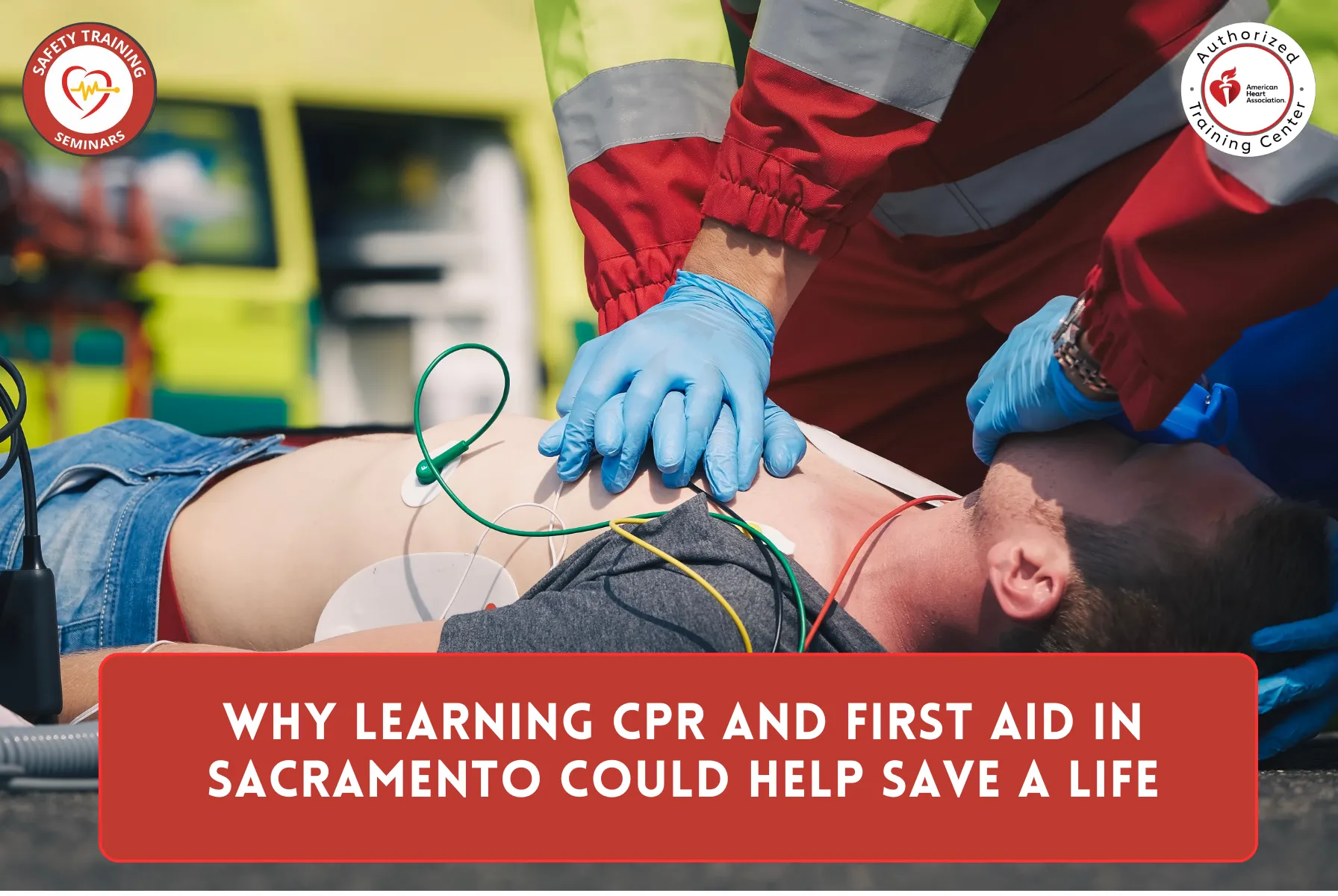
- Start CPR immediately if the victim becomes unresponsive or stops breathing
- Continue to monitor vital signs and support breathing until emergency services arrive
Being trained in first aid, CPR, and BLS ensures you are prepared to handle extreme heat emergencies effectively and confidently.
Conclusion
Extreme heat can quickly become life-threatening, but proper first aid, careful monitoring, and timely intervention can prevent severe outcomes. Recognizing symptoms, providing rapid cooling and hydration, and knowing when to seek medical care are essential. Combining preventive measures with CPR and BLS knowledge ensures safety for everyone exposed to high temperatures.