Head injuries can range from minor bumps to life-threatening trauma. Knowing first aid, recognizing the severity of the injury, and acting promptly can prevent complications and save lives. This guide provides practical steps to manage head injuries effectively, ensuring safety for yourself and others.
Understanding Head Injuries
Head injuries occur when the skull or brain experiences trauma, often from falls, sports, accidents, or physical assaults. They can be mild, like a concussion, or severe, like a skull fracture or traumatic brain injury (TBI).
- Concussions may cause headache, dizziness, confusion, or nausea.
- Skull fractures can result in bleeding, swelling, or visible deformity.
- Intracranial bleeding is life-threatening and may present with vomiting, severe headache, or loss of consciousness.
Understanding the type and severity of head injury helps determine the urgency of first aid and how to help the victim safely.
Immediate First Aid Steps
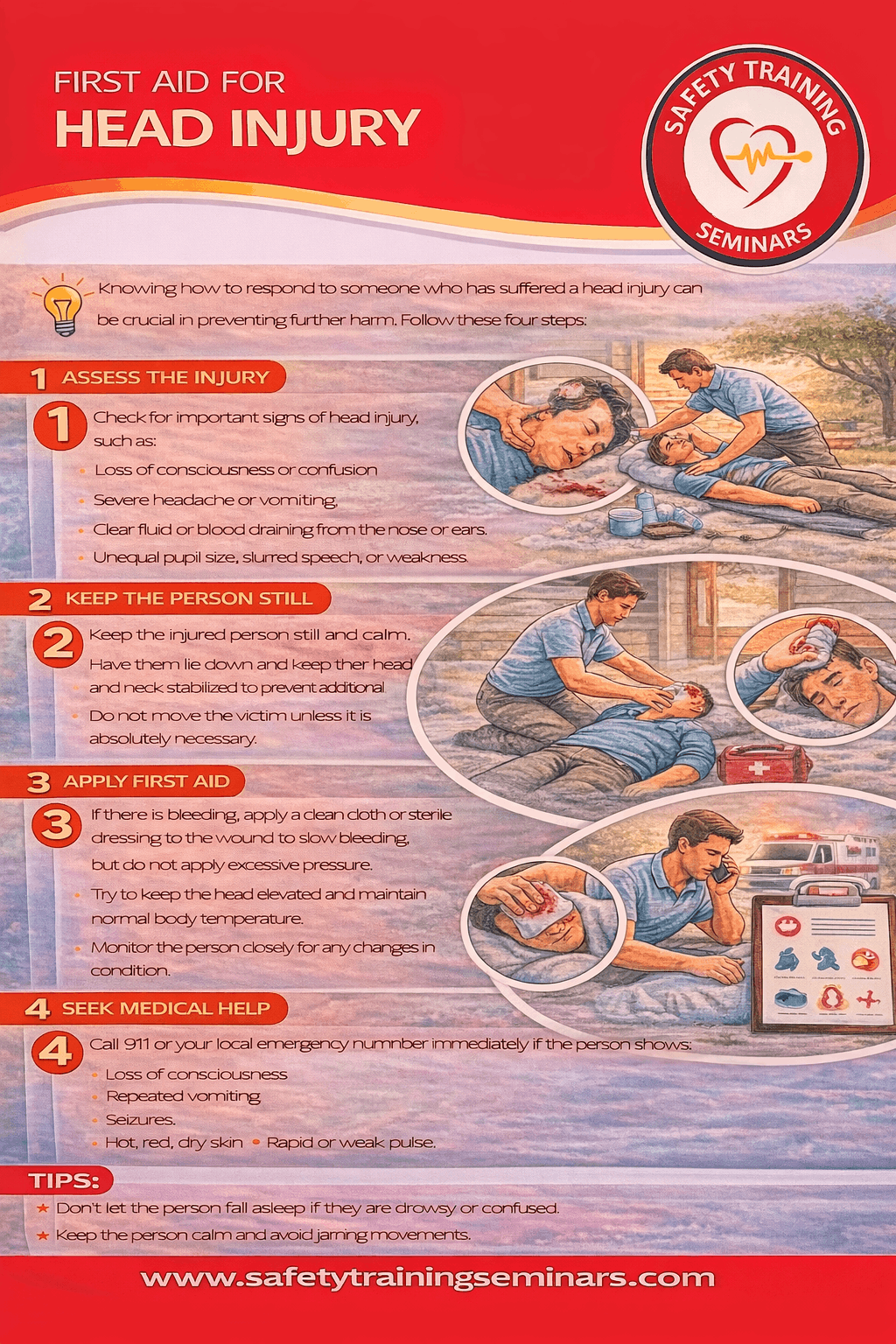
Providing quick and appropriate care is crucial. Here’s how to help someone after a head injury:
- Ensure the area is safe for both you and the victim.
- Keep the person still, avoiding unnecessary movement of the head or neck.
- Check consciousness and responsiveness.
- Control bleeding with gentle pressure using a clean cloth or sterile dressing.
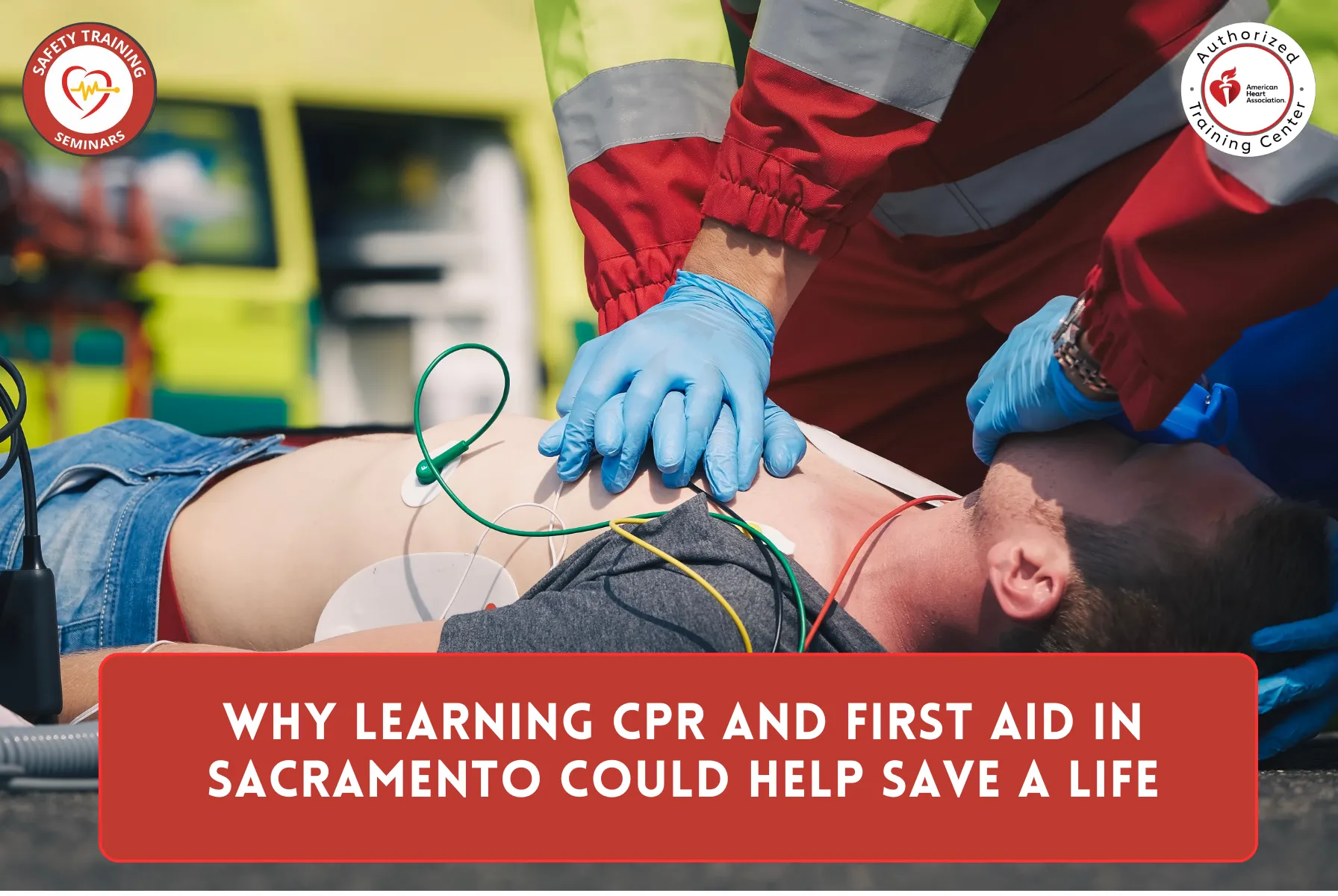
- Monitor breathing and pulse, and be prepared to perform CPR if necessary.
Prompt action stabilizes the victim, reduces the risk of further injury, and prepares them for professional medical evaluation.
Recognizing Severe Symptoms
Identifying severe head injury symptoms is critical to knowing how to save someone.
- Loss of consciousness or unresponsiveness
- Persistent vomiting or nausea
- Severe headache or confusion
- Unequal pupil size or vision changes
- Seizures or convulsions
- Clear fluid or blood from the nose or ears
If any of these symptoms are present, call emergency services immediately. Early recognition can prevent permanent damage or death.
Managing Concussions
Concussions are common head injuries, often without visible signs. Proper care and monitoring are essential:
- Have the victim rest in a quiet, safe environment
- Avoid strenuous activity or cognitive strain until symptoms improve
- Monitor for worsening symptoms, including confusion, drowsiness, or repeated vomiting
- Provide pain relief with approved medications, avoiding blood thinners unless prescribed
Careful monitoring and early first aid intervention prevent complications and support recovery.
Managing Severe Head Injuries
Severe head injuries require specialized care but initial first aid can be lifesaving:
- Keep the victim lying flat with the head and neck stabilized
- Avoid moving the person unless there is immediate danger
- Apply gentle pressure to external bleeding points, avoiding deep wounds
- Continuously monitor vital signs, including breathing, pulse, and level of consciousness
- Be ready to administer CPR or BLS if the victim becomes unresponsive or stops breathing
Proper initial care minimizes secondary brain injury and ensures the victim is stable for emergency transport.
When to Seek Professional Help
Even minor head injuries should be evaluated by a healthcare professional, as complications may develop later. Seek immediate care if:
- The person loses consciousness, even briefly
- Severe headache, confusion, or repeated vomiting occurs
- Seizures or vision problems develop
- Symptoms worsen over time or do not improve
Understanding how to help includes knowing that professional assessment is essential for both mild and severe head injuries.
Preventing Head Injuries
Prevention reduces the likelihood of head trauma and the need for first aid:
- Always wear protective gear such as helmets during sports, biking, or construction work
- Use seat belts in vehicles and ensure children are in appropriate car seats
- Keep living and working spaces free of trip hazards
- Educate children and adults about safety precautions during physical activities
By implementing preventive strategies, you minimize risk and ensure safety for everyone.
Combining First Aid with CPR and BLS Knowledge
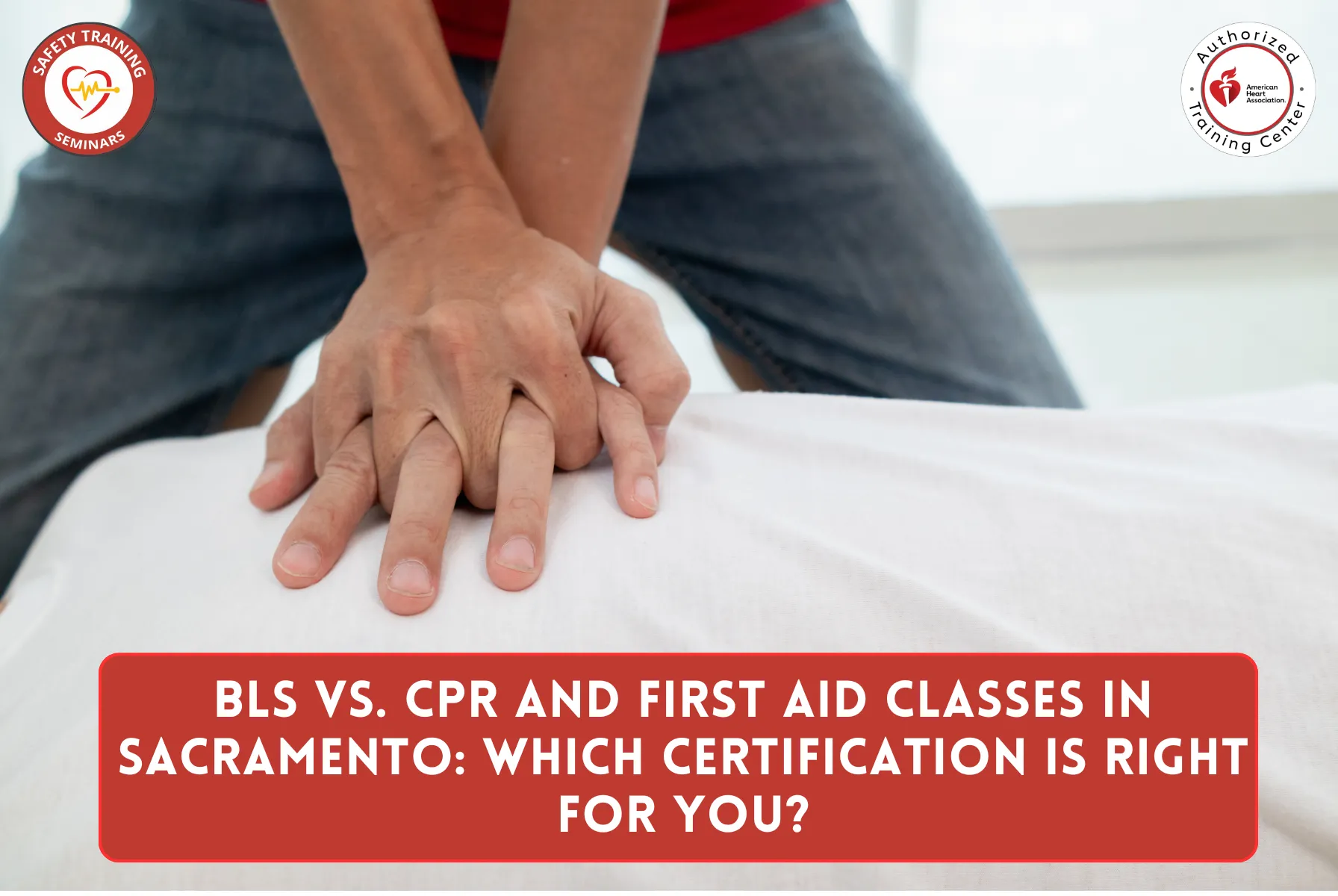
Severe head injuries can lead to shock, respiratory arrest, or cardiac arrest. Knowledge of CPR and BLS (Basic Life Support) is invaluable:
- Recognize signs of respiratory failure or cardiac arrest
- Start CPR immediately if the victim becomes unresponsive or stops breathing
- Continuously monitor vital signs while waiting for emergency help
- Use BLS techniques to stabilize the victim safely
Being trained in first aid, CPR, and BLS ensures you are prepared to handle life-threatening head injuries effectively.
Conclusion
Head injuries can escalate quickly, but proper first aid, careful monitoring, and timely professional intervention can prevent complications and save lives. Recognizing symptoms, stabilizing the victim, and knowing how to help are essential. Combining preventive strategies with CPR and BLS knowledge ensures safety and preparedness in every situation.