Walking into a CPR or BLS class for the first time is a little different from other kinds of training, mostly because so much of it happens on your knees next to a manikin rather than at a desk. If you’ve registered for a class in Sacramento, CA and aren’t sure what the next few hours actually involve, this guide walks through the process in order, from confirming you signed up for the right course through what happens once you leave with a certification card. Knowing the sequence ahead of time makes the hands-on portion far less intimidating, especially if you haven’t taken a skills-based course before.
Key takeaway: A first BLS or CPR class in Sacramento typically involves a short knowledge review followed by hands-on skills practice and an instructor-observed skills check, and most sessions run a few hours depending on the specific course and format.
Before You Show Up: Confirming You Registered for the Right Course
BLS CPR certification and general CPR/First Aid training aren’t the same thing, even though the terms sometimes get used loosely. BLS, or Basic Life Support, is built for healthcare workers and team-based responders, with more structured content around two-rescuer CPR and AED use. General CPR and First Aid training covers similar core skills but at a pace designed for parents, teachers, and the general public.
If your employer, school, or licensing board specifically required “BLS,” double-check that’s what you registered for before your class date. Showing up for the wrong course type usually means rescheduling, since the two aren’t interchangeable for compliance purposes.
What to Bring and How to Prepare
Most first-time students don’t need much beyond a few basics:
- A valid photo ID for check-in
- Comfortable clothing you can kneel and move in, since the hands-on portion involves working close to the floor
- Proof of completed online coursework, if you registered for a blended format that includes a pre-class module
- A notepad or phone for reference, though most of the material is demonstrated rather than lectured
There’s no need to memorize technique beforehand. The instructor will walk through each skill before asking you to practice it, so arriving without prior CPR experience is completely normal.
How the Class Typically Begins
Most sessions open with check-in, followed by a short overview of what the course will cover and how the skills check works. Instructors usually explain the difference between the knowledge portion and the hands-on portion right away, since first-time students often assume the whole class is lecture-based.
From there, expect a brief review of core concepts: recognizing cardiac arrest, calling for help, and understanding the general sequence of a CPR response. This part moves relatively quickly, since the bulk of class time is reserved for actual skills practice rather than sitting and listening.
What the Hands-On Portion Actually Looks Like
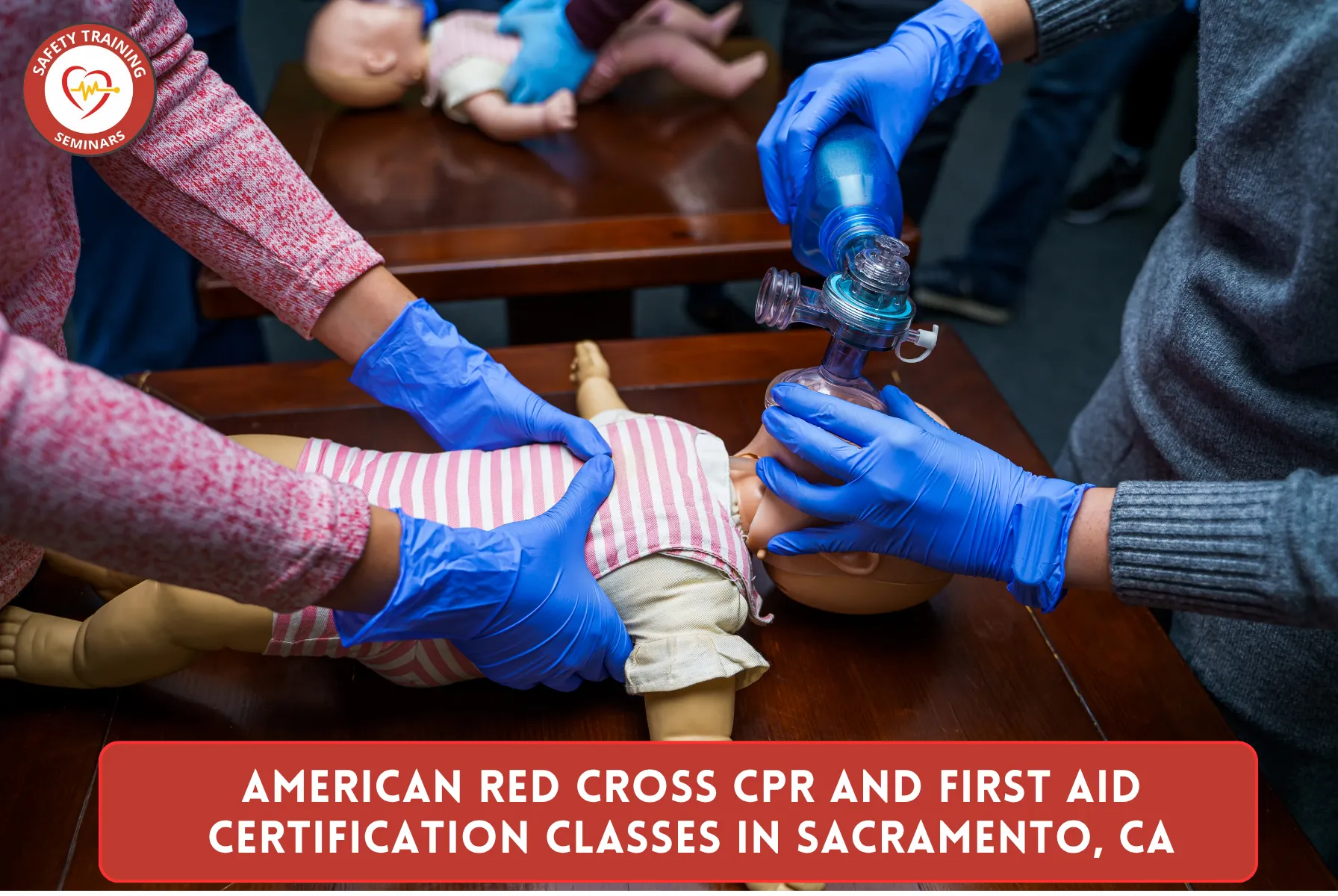
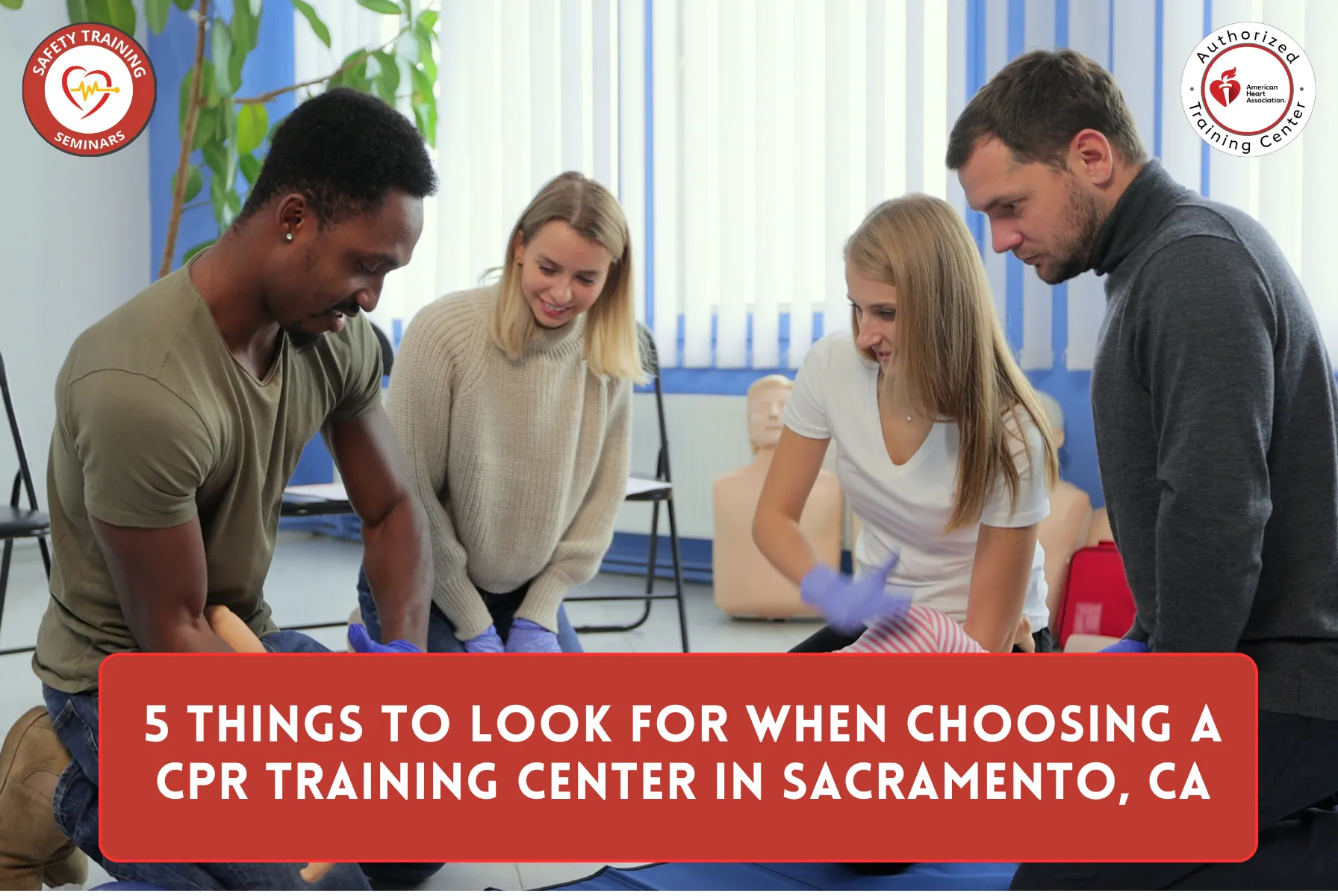
This is usually the part first-timers are most curious about, and it’s more straightforward than it sounds. You’ll practice chest compressions and rescue breathing on a training manikin, with the instructor correcting hand placement, compression depth, and rate as you go.
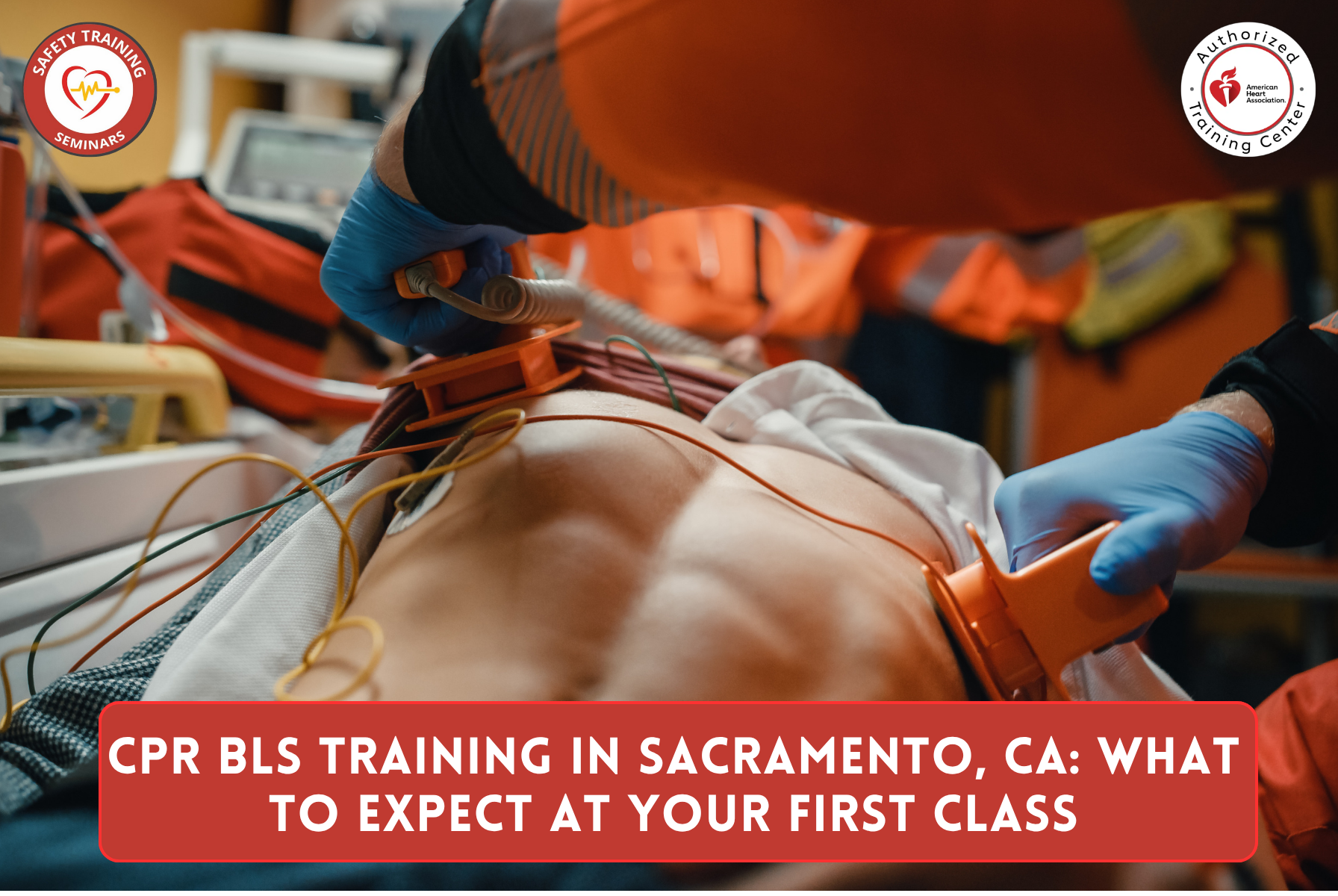
For BLS specifically, expect to practice in pairs or small groups, since the course is built around team-based response rather than solo rescuer scenarios. AED training is typically included as well, using a practice unit so you can get comfortable applying pads and following its voice prompts without the pressure of a real device. Nobody expects perfect technique on the first attempt. Instructors generally repeat the demonstration and give you multiple chances to practice before moving to the skills check.
The Skills Check and Knowledge Assessment
Once you’ve had time to practice, the instructor observes each participant performing the core skills to confirm they meet the required standard. This isn’t usually a surprise test. It’s a continuation of what you’ve already been practicing, just with the instructor watching more closely and providing a pass or fail determination.
A knowledge assessment, whether written or completed online beforehand, is also part of most certification processes. If you’re taking a blended course, this portion may already be finished before you arrive, which shortens the in-person session considerably.
What Happens After Class
Once you’ve completed the skills check and knowledge assessment, you’ll typically receive confirmation of your certification, either as a physical card or a digital certificate depending on the course format. Certification generally remains valid for two years, after which renewal training is required to stay current with updated technique and guidelines.
It’s worth setting a reminder a couple of months before your expiration date, since many providers require the full initial course again if your certification has already lapsed rather than allowing a shorter renewal option. Confirm this policy with whichever training center issued your card.
Attending From Outside Central Sacramento
Sacramento’s mix of hospitals, clinics, schools, and workplace safety programs means BLS demand comes from all over the metro area, not just Midtown. Students commuting from Carmichael or Fair Oaks along Highway 50 sometimes find it easier to check the BLS and CPR certification schedule in Carmichael or the CPR and First Aid training options in Fair Oaks rather than driving into the Midtown grid for their first class.
Readers based in Arden-Arcade or further out toward Antelope have similar flexibility. The BLS certification course schedule in Arden-Arcade and the CPR and BLS class options in Antelope are both worth comparing if either location fits your commute better than a class in central Sacramento.
Taking Your First Class With Safety Training Seminars
Safety Training Seminars operates a Sacramento Midtown training location at 2501 Capitol Avenue, Suite 107, Sacramento, CA 95816, offering BLS CPR Certification along with related First Aid and ACLS courses. For first-time students in the central Sacramento area, this location provides a straightforward option to review before your scheduled class date.
Before your first session, confirm which specific course you’re enrolled in and whether it’s a fully in-person format or a blended course requiring online coursework beforehand. Reviewing the course page ahead of time helps you show up knowing exactly what the day will involve.
Frequently Asked Questions
Do I need any prior experience before my first BLS or CPR class? No. Instructors walk through each skill step by step before asking participants to practice, so first-time students without any CPR background are common in these classes. The course is designed to teach technique from the beginning rather than assume prior knowledge.
How long does a first BLS class in Sacramento usually take? Length depends on the specific course and format, since blended options shift some content online ahead of time while fully in-person courses cover everything during the session itself. Check your specific course page for scheduling details before your class date.
What if I fail the skills check on my first attempt? Instructors typically allow multiple practice attempts before the formal skills check, and most first-time students pass after working through the technique corrections given during practice. If you have concerns about a specific skill, mention it to your instructor early in the session rather than waiting until the check itself.
Is there a difference between attending in Sacramento versus a nearby suburb like Carmichael or Antelope? The course content itself doesn’t change based on location, but class dates, formats, and availability can vary between training locations. Comparing the schedule for your nearest option is usually more useful than assuming one location’s timing will match another.
Can I switch from a general CPR class to BLS after I’ve already registered? This depends on the training provider’s policy, since BLS and general CPR classes often have different prerequisites and scheduling. Contact your training center directly before your class date if you’re unsure which course you registered for.
Getting Ready for Your Class Date
The most useful thing to do before your first class is confirm you’re registered for the correct course type and bring comfortable clothing for the hands-on portion, since the rest of the process is designed to be approachable even without prior experience. Once you know what to expect, from check-in through the skills check, there’s little reason to feel unprepared walking in.
Safety Training Seminars’ Sacramento Midtown location offers BLS CPR Certification for first-time and returning students alike, with additional options in Carmichael, Fair Oaks, Arden-Arcade, and Antelope for readers whose schedule points toward a different part of the metro area. Review the course page that matches your situation to confirm format and timing before your class date arrives.