A heart attack occurs when blood flow to a part of the heart is blocked, depriving heart muscle of oxygen. This can lead to permanent damage or death if not treated immediately. Recognizing the early signs and knowing how to help someone experiencing a heart attack is essential for saving lives.
At Safety Training Seminars, our BLS and First Aid courses teach students to act decisively. Rapid intervention not only increases survival rates but also minimizes the risk of long-term heart damage. The first few minutes are crucial, and being prepared can make the difference between life and death.
Common Signs and Symptoms of a Heart Attack
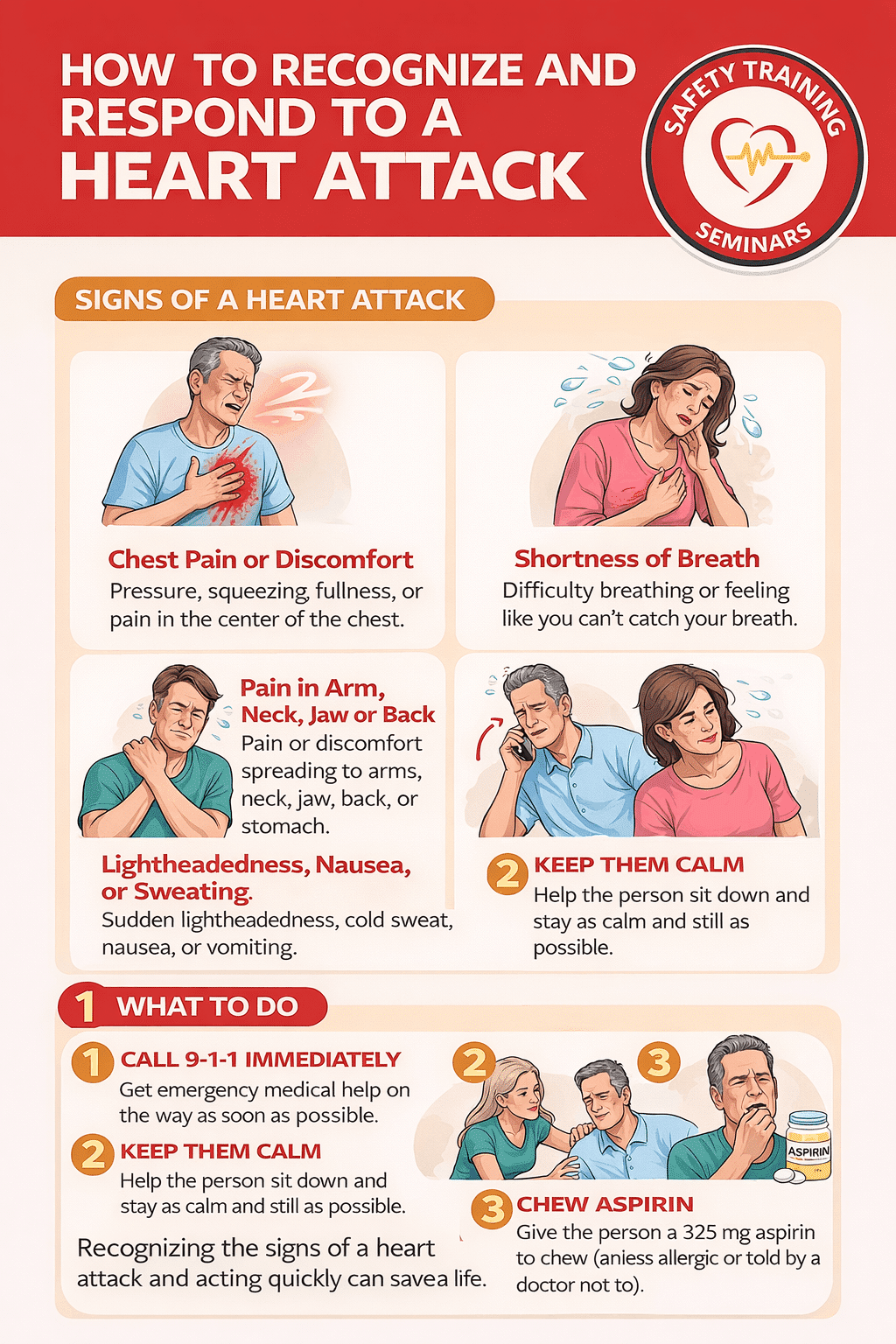
Heart attacks can manifest differently in each person, making awareness of symptoms critical. While classic signs include chest pain or pressure, other subtle indicators may appear. Knowing these signs empowers bystanders to respond effectively.
Key symptoms to watch for:
- Chest discomfort or pressure, often in the center or left side
- Pain radiating to the arm, jaw, neck, or back
- Shortness of breath, dizziness, or lightheadedness
- Sweating, nausea, or vomiting
- Fatigue or a sense of impending doom
Recognizing these warning signs quickly is the first step in how to save a life. Immediate action can prevent complications and ensure professional care arrives without delay.
Ensuring Safety and Preparing to Act
Before approaching someone suspected of having a heart attack, assess the surroundings for safety. Your priority is to provide care without putting yourself or the victim at risk.
Important safety and preparatory steps:
- Remove hazards such as sharp objects or tripping dangers
- Make sure the person is in a safe, stable position, preferably seated or lying down
- Call emergency services immediately
- Gather any available First Aid supplies, such as aspirin (if recommended and not contraindicated)
By preparing the environment and responding calmly, you set the stage for effective intervention and demonstrate exactly how to help in a life-threatening scenario.
Providing Immediate Support While Waiting for Help
While waiting for emergency responders, continuous monitoring and support are critical. Comforting the person and observing vital signs can significantly influence outcomes.
Key actions include:
- Reassuring the person to stay calm and breathe slowly
- Loosening tight clothing to improve circulation
- Monitoring consciousness, breathing, and pulse
- Encouraging minimal movement to reduce stress on the heart
These measures maintain stability and reduce complications. Remaining calm and confident helps the person feel secure, showing how BLS and First Aid skills translate into practical life-saving action.
When to Use CPR During a Heart Attack
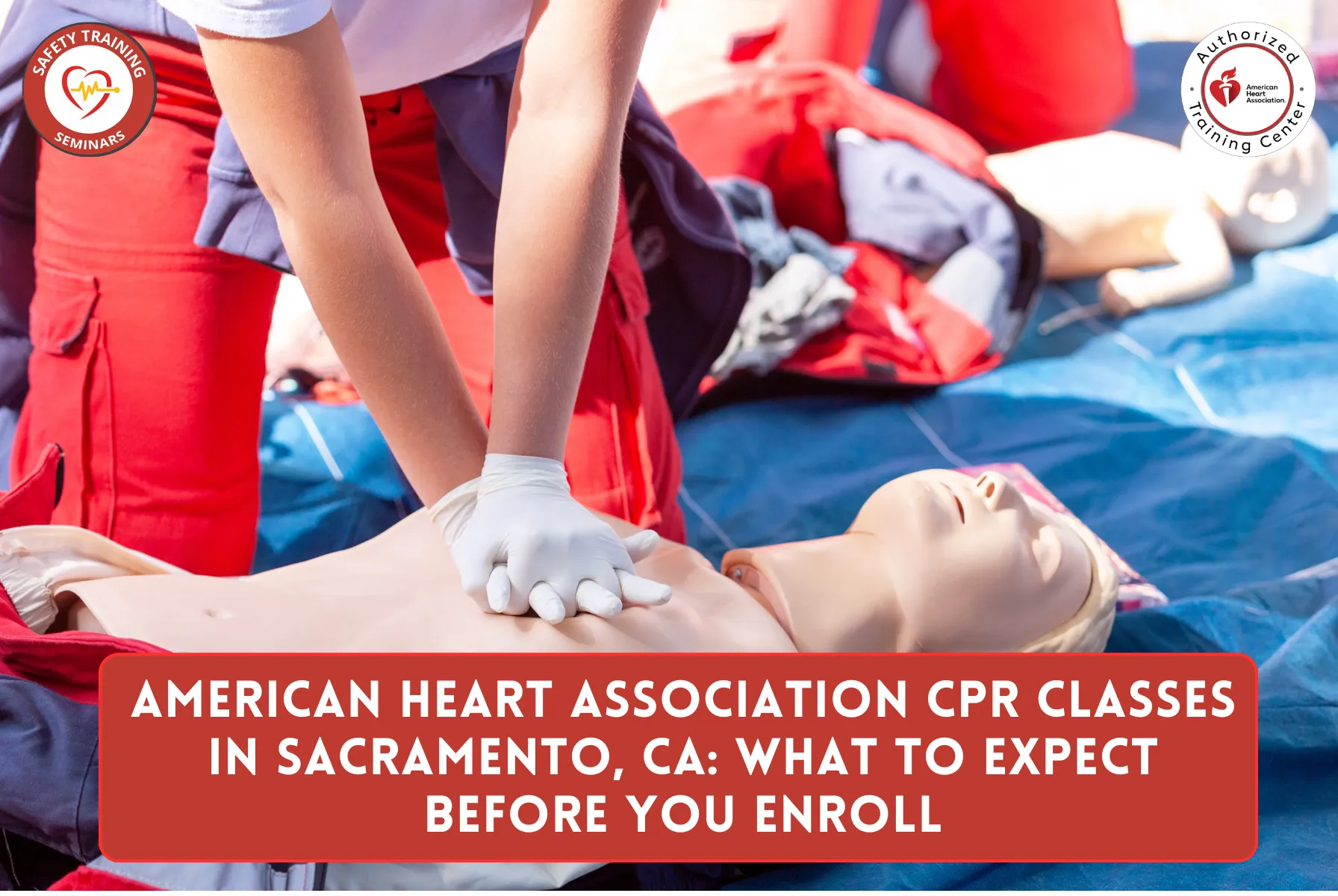
In some cases, a heart attack can progress to cardiac arrest, where the heart stops beating effectively. Knowing when to initiate CPR is vital. CPR maintains circulation and oxygen delivery until professional help arrives.
Indicators that CPR may be needed:
- The person becomes unresponsive
- Breathing stops or becomes irregular
- No detectable pulse
Effective CPR involves:
- Performing chest compressions at a steady rate
- Allowing full chest recoil
- Combining compressions with rescue breaths if trained
- Switching rescuers if possible to maintain quality
By understanding when and how to deliver CPR, you increase the chance of survival and illustrate how to save a life during critical emergencies.
Recognizing Risk Factors and Preparing Ahead
Awareness of heart attack risk factors can improve response readiness. Common factors include:
- High blood pressure, high cholesterol, or diabetes
- Smoking or excessive alcohol consumption
- Sedentary lifestyle or obesity
- Family history of heart disease
Preparing for potential emergencies involves learning First Aid, CPR, and BLS techniques and having a plan in place. Being ready with knowledge, emergency contacts, and basic supplies increases the likelihood of effective intervention and saves crucial time when seconds matter.
Supporting Recovery After the Heart Attack
After initial medical intervention, ongoing support is critical. Even while waiting for emergency responders, simple measures can improve outcomes.
Recovery support steps include:
- Keeping the person calm and still
- Continuing to monitor breathing and pulse
- Providing reassurance and emotional support
- Avoiding giving food or fluids unless directed by a medical professional
Proper post-event care ensures stability and complements professional treatment. This holistic approach demonstrates the broader application of BLS and First Aid in life-saving situations.
Educating Communities to Save Lives
Heart attacks are common, but bystanders equipped with knowledge can make a difference. Public education in First Aid, CPR, and BLS empowers individuals to act confidently during emergencies.
Benefits of community training:
- Faster, more effective responses to cardiac events
- Reduced risk of complications and long-term damage
- Increased confidence among bystanders
- A culture of preparedness and safety
By spreading awareness and teaching practical skills, we increase the number of people who know how to help in a critical situation, ultimately saving more lives.
Final Thoughts: Quick Action Saves Lives
Recognizing a heart attack and responding appropriately requires awareness, preparedness, and confidence. From identifying symptoms to providing comfort, monitoring vital signs, and administering CPR if needed, every action contributes to survival.
Safety Training Seminars emphasizes hands-on training that equips participants with practical skills, enabling them to act decisively in emergencies. When you know how to help and when to intervene, you become an essential link in the chain of survival, capable of making a life-saving difference.