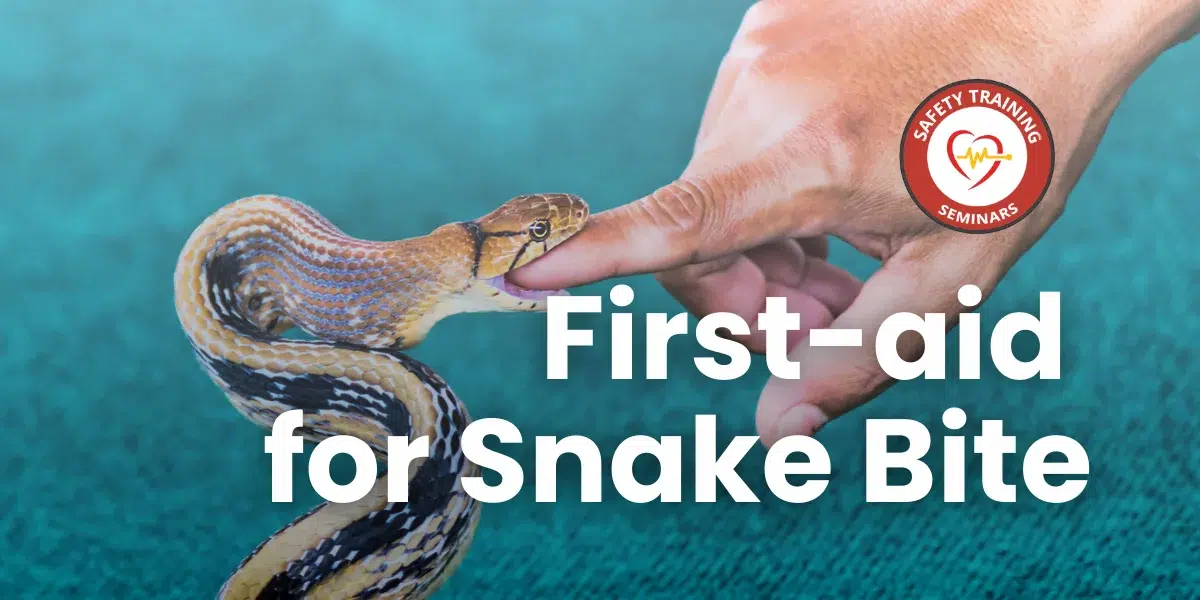
Snake bites are a medical emergency that can lead to serious complications, including tissue damage, organ failure, and even death. Immediate First Aid can make the difference between life and death. Knowing how to help and how to save someone during a snake bite is crucial for both outdoor enthusiasts and healthcare responders.
Not all snake bites are venomous, but it’s always safest to assume a bite is dangerous until proven otherwise. Rapid assessment and correct emergency response are essential in reducing the severity of the injury and ensuring the victim receives proper medical care.
Assessing the Situation and Ensuring Safety
Your first priority is safety—both for yourself and the victim. Before approaching, ensure that the snake is no longer a threat and the area is safe.
Steps to follow:
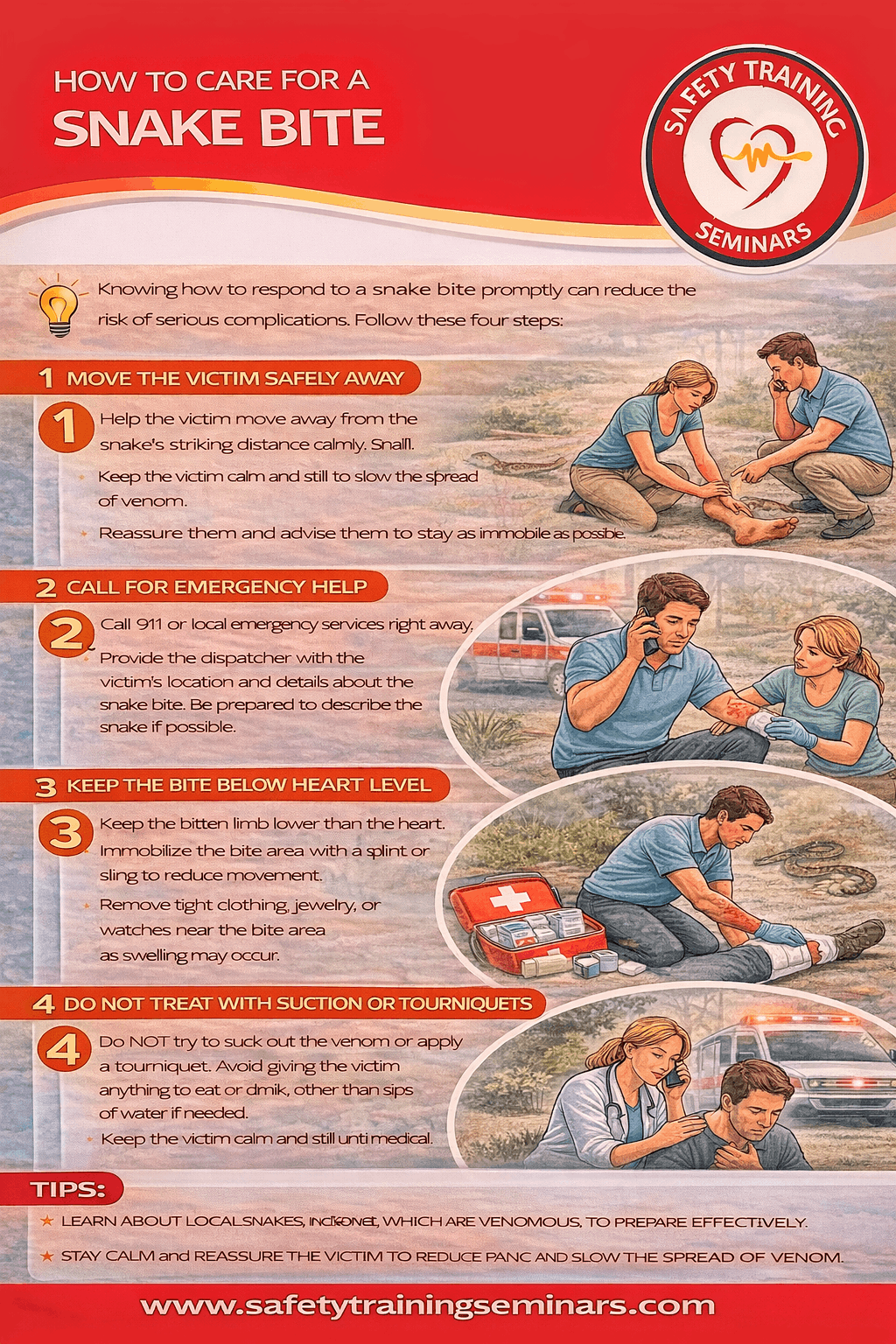
- Keep calm and reassure the victim to reduce anxiety and slow venom spread.
- Move the victim away from the snake and to a safe location.
- Avoid attempting to catch or kill the snake, as this increases risk.
- Call emergency services immediately for professional assistance.
By remaining calm and assessing the situation carefully, you can begin First Aid correctly and effectively help the victim while preparing to save their life.
Initial First-Aid Steps for Snake Bites
Once the area is safe, immediate actions can reduce the spread of venom and limit tissue damage. Proper handling of the bite site is critical.
Essential first-aid steps include:
- Keep the affected limb immobilized and at or slightly below heart level.
- Remove tight clothing, jewelry, or accessories near the bite to prevent constriction from swelling.
- Wash the bite gently with soap and water to reduce infection risk.
- Avoid cutting the wound, sucking out venom, or applying ice, as these can worsen tissue injury.
These steps are foundational First Aid measures that help control the situation and prepare the victim for professional care.
Monitoring Vital Signs and Symptoms
Monitoring the victim’s vital signs is an important part of First Aid. Recognizing signs of severe envenomation helps responders prioritize care and communicate effectively with emergency personnel.
Key symptoms to monitor include:
- Swelling, redness, and bruising around the bite
- Nausea, vomiting, or abdominal pain
- Difficulty breathing or swallowing
- Rapid pulse, dizziness, or fainting
- Weakness or numbness spreading from the bite
If any severe symptoms occur, be prepared to provide CPR or BLS if the victim becomes unresponsive or stops breathing. Prompt observation and action are crucial to how to save lives in a snake bite emergency.
Proper Handling and Transport of the Victim
Correct handling and transport reduce the spread of venom and protect the victim until they reach medical care.
Important practices include:
- Keep the victim calm and still; discourage walking or unnecessary movement.
- Use a splint or bandage to immobilize the affected limb.
- Position the victim lying down if they feel weak or dizzy.
- Avoid applying a tourniquet unless specifically instructed by medical professionals.
- Transport the victim to the nearest healthcare facility promptly.
Following these guidelines ensures that you how to help effectively and minimize complications, enhancing the chances of recovery.
Avoiding Common First-Aid Mistakes
Incorrect actions can worsen the situation and increase the risk of permanent injury. It’s important to know what not to do when providing snake bite First Aid.
Common mistakes to avoid:
- Cutting the wound or attempting to suck out venom
- Applying ice directly to the bite
- Giving alcohol, caffeine, or painkillers without medical advice
- Encouraging the victim to move around excessively
- Panicking or failing to call emergency services promptly
Avoiding these errors ensures that your interventions remain effective and your victim receives proper care.
Educating and Preparing Yourself for Snake Bite Emergencies
Knowledge and preparation are your best tools for effectively managing snake bites. Participating in First Aid, CPR, and BLS training prepares you to act quickly and confidently.
Tips to be prepared:
- Learn local snake species and their associated risks.
- Carry a basic first-aid kit when hiking or working outdoors.
- Practice immobilization and vital signs monitoring techniques.
- Attend refresher courses to stay updated on emergency care procedures.
- Educate friends and family about basic snake bite response.
Being proactive allows you to know how to help and increases your ability to how to save lives in real emergencies.
Final Thoughts: Quick Action Saves Lives
Snake bites can escalate rapidly, but timely First Aid can prevent complications and save lives. By staying calm, providing proper wound care, monitoring vital signs, and seeking immediate medical help, responders can effectively assist victims.
At Safety Training Seminars, we teach participants the skills needed to confidently administer First Aid, CPR, and BLS, showing how to help in emergencies and equipping everyone with the knowledge of how to save lives when seconds matter most.