Burn injuries are among the most painful and potentially dangerous injuries a person can suffer. Knowing how to respond quickly and effectively is critical in preventing infection, reducing pain, and potentially saving lives. First Aid training equips individuals with the skills to provide immediate care, while BLS knowledge ensures you understand how to help in more severe situations.
Effective burn care begins with understanding the severity of the burn. Burns are classified into three main categories:
- First-degree burns affect only the outer layer of skin, causing redness and minor pain.
- Second-degree burns affect deeper layers, causing blisters and severe pain.
- Third-degree burns destroy both layers of skin and may affect underlying tissues, requiring urgent medical attention.
Knowing these classifications allows responders to act appropriately, applying the correct First Aid techniques and understanding how to save the victim from further harm.
Immediate Steps to Take for Burn Victims
When encountering a burn victim, your first priority is safety. Ensure that both you and the victim are out of danger before providing care. Once safe, immediate actions are essential to prevent further injury.
Key steps include:
- Stop the burning process by removing the victim from heat, flames, or chemicals.
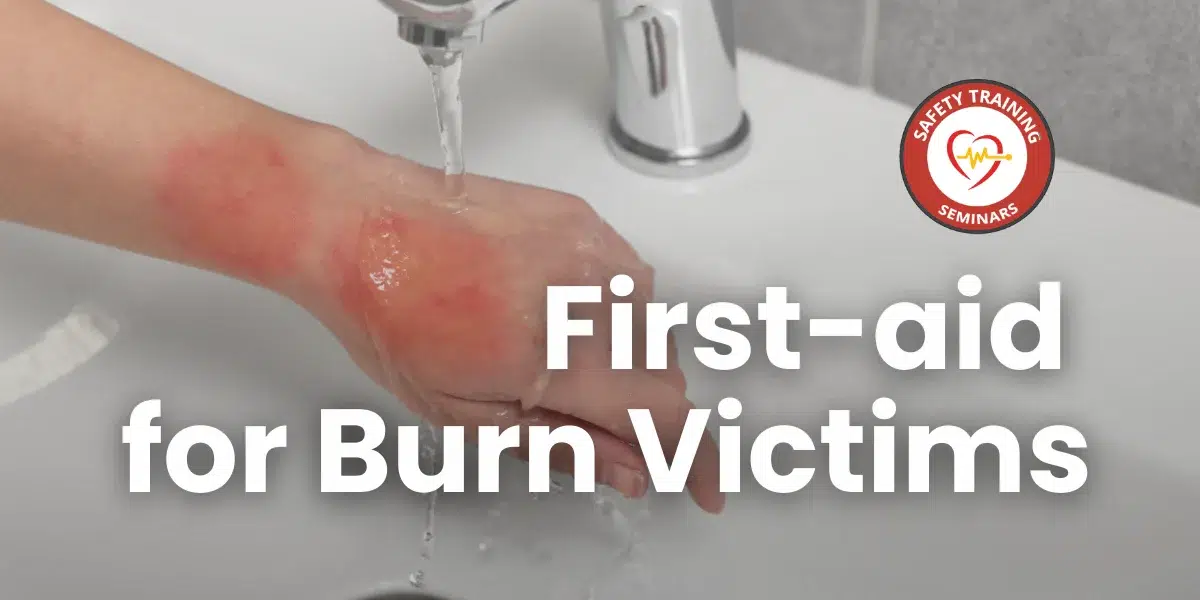
- Cool the burn with running cool (not cold) water for at least 10–20 minutes to reduce tissue damage.
- Remove constrictive items such as rings, bracelets, or tight clothing before swelling occurs.
- Avoid using ice directly on the burn, as this may cause further tissue damage.
These steps are vital in delivering immediate First Aid and ensuring you know how to help while minimizing long-term complications.
Assessing the Severity and When to Seek Help
After initial care, it is crucial to assess the severity of the burn and determine whether professional medical assistance is necessary.
Burns that require urgent medical attention include:
- Large burns covering more than 10% of the body
- Burns on the face, hands, feet, genitals, or major joints
- Deep burns with white, charred, or leathery skin
- Burns accompanied by difficulty breathing or signs of shock
Promptly calling emergency services ensures that the victim receives advanced care. Understanding these warning signs allows you to respond appropriately, enhancing your ability to how to save lives in serious situations.
First Aid Techniques for Minor Burns
Not all burns require hospital care. Minor burns can be treated effectively with proper First Aid techniques to reduce pain, prevent infection, and promote healing.
Steps include:
- Gently clean the burn with mild soap and cool water.
- Apply a sterile, non-stick dressing to protect the burn from bacteria and friction.
- Use over-the-counter pain relievers if needed, following dosing instructions carefully.
- Keep the burn area elevated if possible to reduce swelling.
- Monitor for signs of infection, such as increased redness, swelling, or pus.
Applying these First Aid methods ensures that victims receive immediate relief and understand how to help themselves or others effectively.
Handling Severe Burns and Complications
Severe burns require careful attention while waiting for professional medical help. Proper handling prevents further harm and can be life-saving.
Key practices include:
- Do not remove burned clothing that is stuck to the skin, as it may cause additional injury.
- Cover the burn with a clean, dry cloth or sterile dressing to reduce contamination and protect exposed tissue.
- Avoid applying ointments, butter, or oils, which can increase infection risk.
- Monitor vital signs such as breathing, pulse, and consciousness. Administer CPR if necessary.
- Keep the victim calm and warm, preventing shock while awaiting professional care.
Understanding these steps allows responders to act confidently, demonstrating how to help in critical situations and potentially how to save a life.
Pain Management and Ongoing Care
After immediate treatment, managing pain and preventing infection are essential for recovery. Providing ongoing care ensures that burns heal properly and complications are minimized.
Key aspects include:
- Regularly change dressings using sterile techniques.
- Encourage fluid intake to maintain hydration and support healing.
- Monitor for infection signs, including redness, swelling, fever, or foul odor.
- Educate the victim about avoiding sun exposure and protecting healing skin.
- Consider follow-up care with healthcare professionals, especially for deeper burns.
Proper ongoing care allows victims to recover safely while responders maintain the skills to how to help effectively and understand how to save in future incidents.
Preparing Yourself for Burn Emergencies
Being prepared to assist burn victims involves both knowledge and readiness. By staying educated in First Aid, CPR, and BLS, you can confidently act when emergencies arise.
Preparation tips include:
- Attend First Aid and BLS courses to practice skills hands-on
- Familiarize yourself with burn care supplies, such as sterile dressings, gloves, and cool water sources
- Stay calm under pressure, ensuring your actions are organized and effective
- Review common scenarios to anticipate complications and responses
- Share knowledge with others, creating a supportive and prepared environment
Preparedness improves response times and effectiveness, ensuring that you know how to help and can act decisively to how to save lives during burn emergencies.

Final Thoughts: Immediate Action Saves Lives
Caring for a burn victim requires quick assessment, immediate First Aid, and ongoing vigilance. By understanding the severity of burns, applying proper techniques, and being prepared, you can significantly reduce pain, prevent infection, and even save lives.
At Safety Training Seminars, our courses emphasize practical knowledge and confidence in emergency response. Learning First Aid, CPR, and BLS empowers participants to act efficiently, demonstrating how to help and ensuring that everyone knows how to save lives when it matters most.