Emergencies can happen without warning, but with a solid Emergency Action Plan (EAP), you can turn fear into effective action and potentially save lives. A basic EAP guides you, your family, or your team on what steps to take, where to go, and how to help during disasters, medical incidents, or fires. Here’s how to assemble a plan that puts safety first.
Assess Your Unique Risks and Needs
- Identify the specific emergencies your home or workplace is most likely to face, such as earthquakes, fires, floods, or chemical spills.
- Account for everyone’s needs, including infants, elderly individuals, people with disabilities, those with medical conditions, and even pets.
- List these unique risks and requirements to ensure your plan is tailored, practical, and inclusive.
Establish Clear Evacuation Routes and Meeting Points
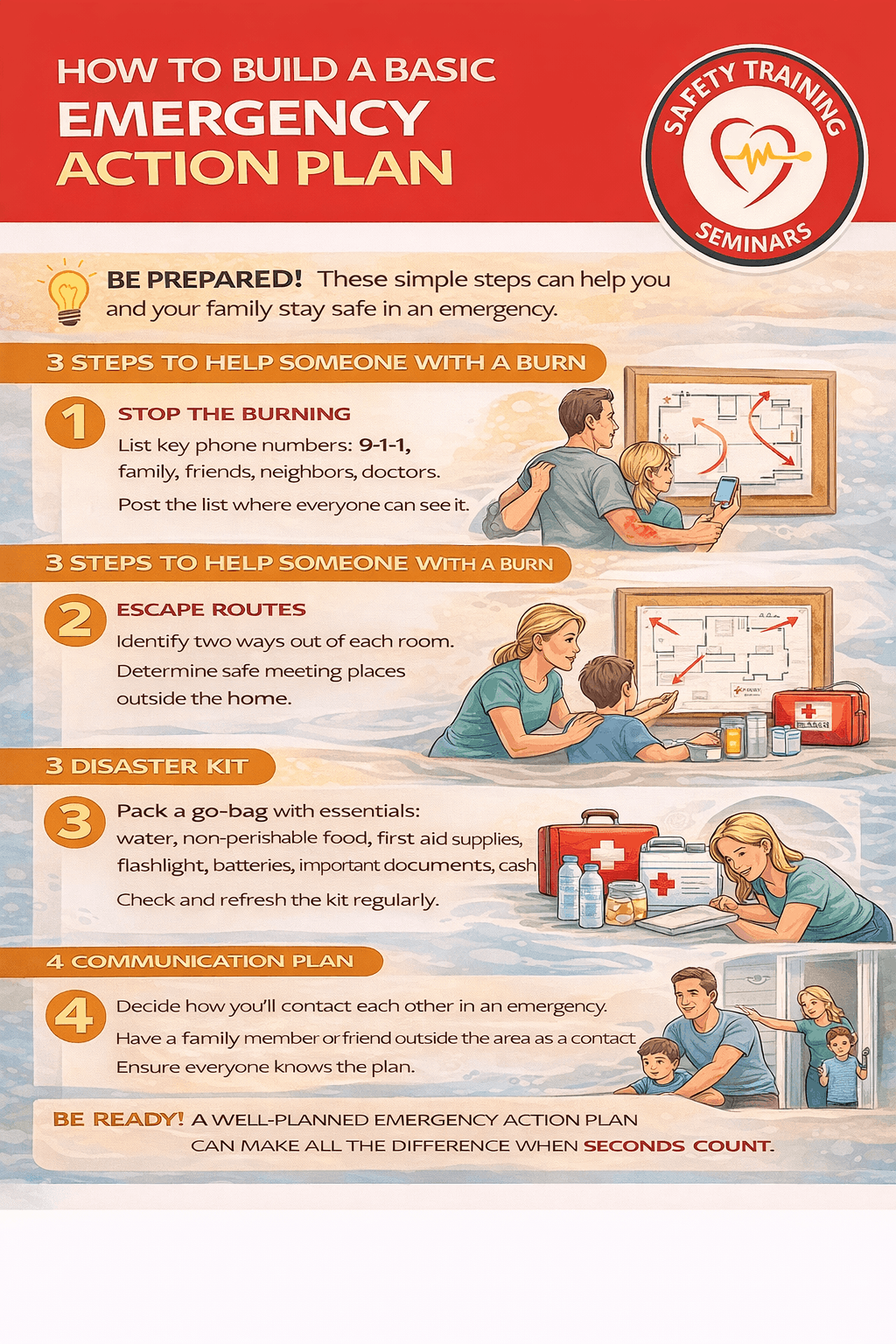
- Map out at least two exit routes from every room—it’s vital in case a primary path is blocked.
- Designate two meeting points:
- Primary: A safe location just outside your home or building.
- Secondary: A spot farther away, outside your neighborhood.
- Share these meeting point addresses with everyone so there’s no confusion during emergencies, making it easier to quickly account for each person.
Assemble Your Emergency Kit and Communication Plan
- Prepare an emergency kit with:
- Water (one gallon per person per day)
- Non-perishable food
- Flashlight and batteries
- Hand-crank radio
- Whistle and basic First Aid supplies (including any prescription medications)
- Develop a communication plan:
- Assign an out-of-state contact for everyone to reach if local networks fail.
- Ensure phone numbers are saved and written down.
- Store important documents (ID, insurance, medical info) in a waterproof container and digitally.
- These steps support your ability to organize, communicate, and recover in a crisis.
The Role of First Aid and CPR Training
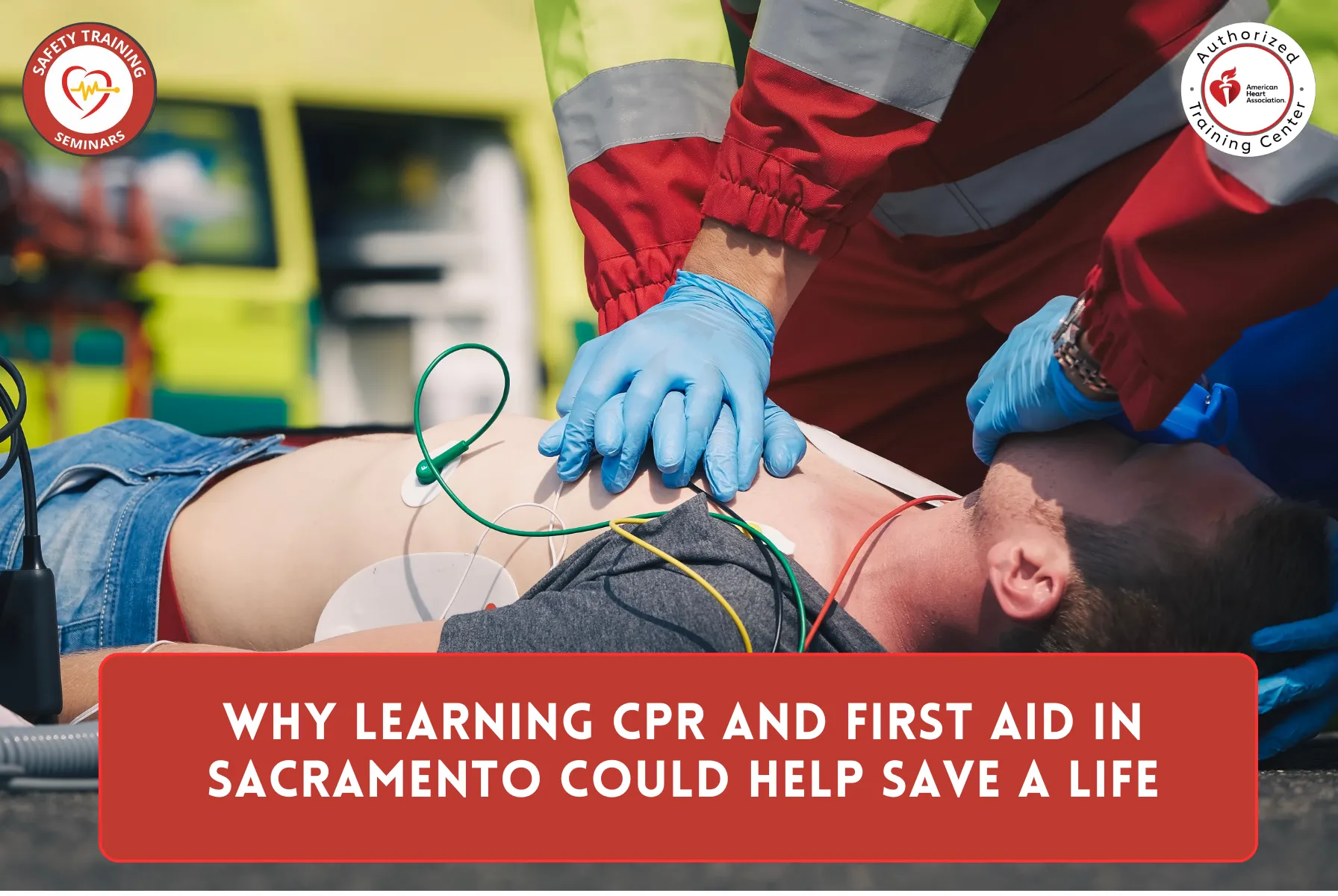
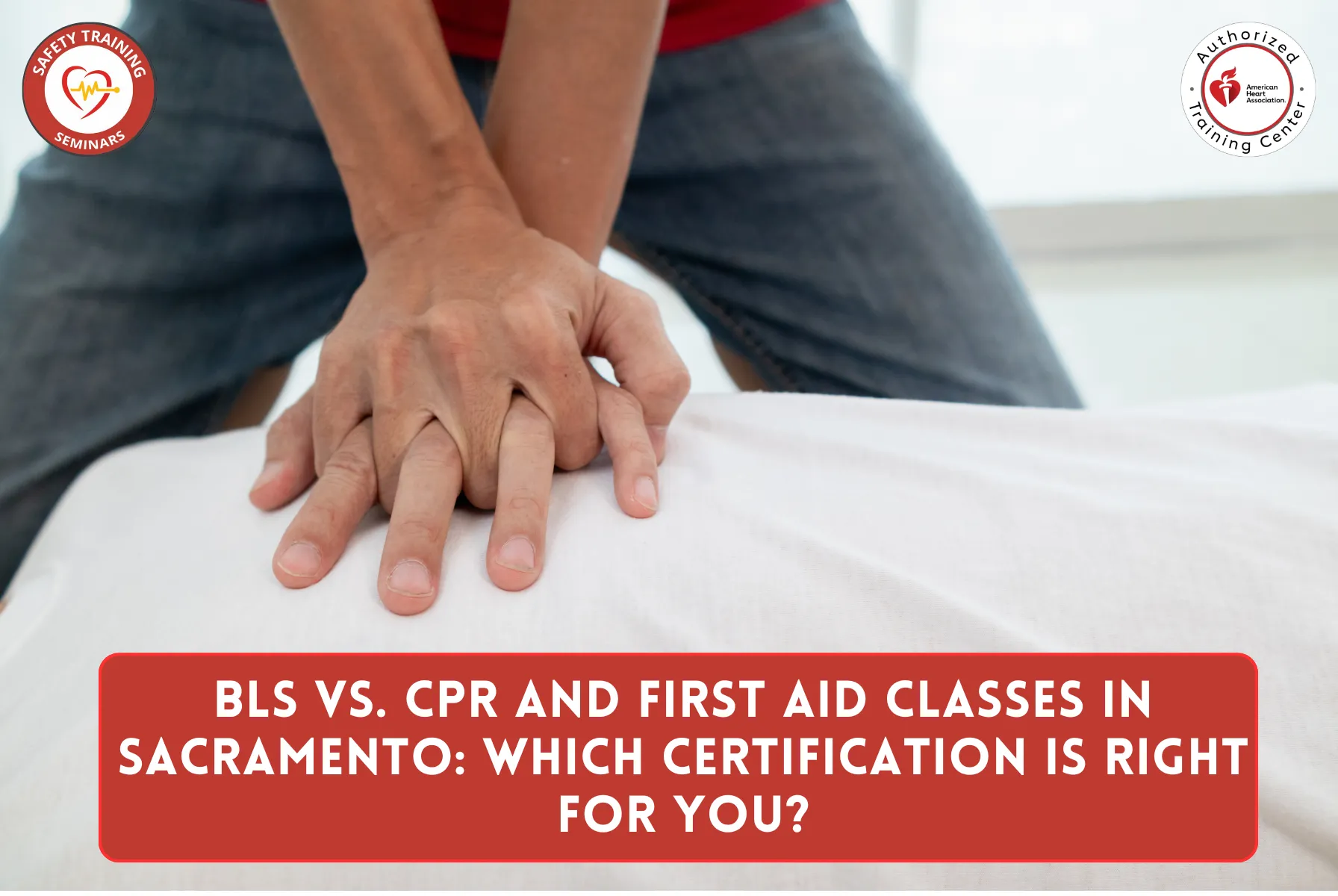
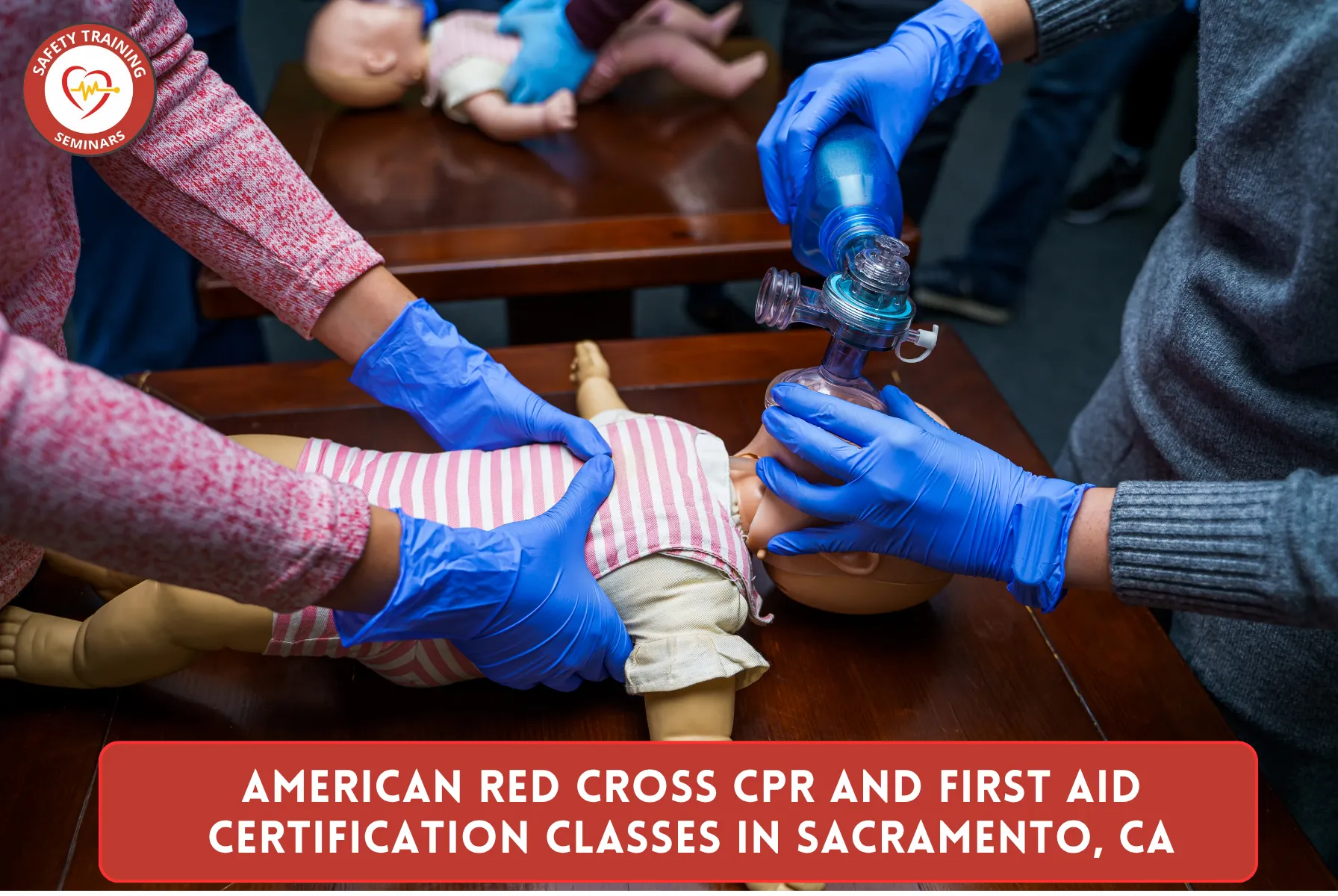
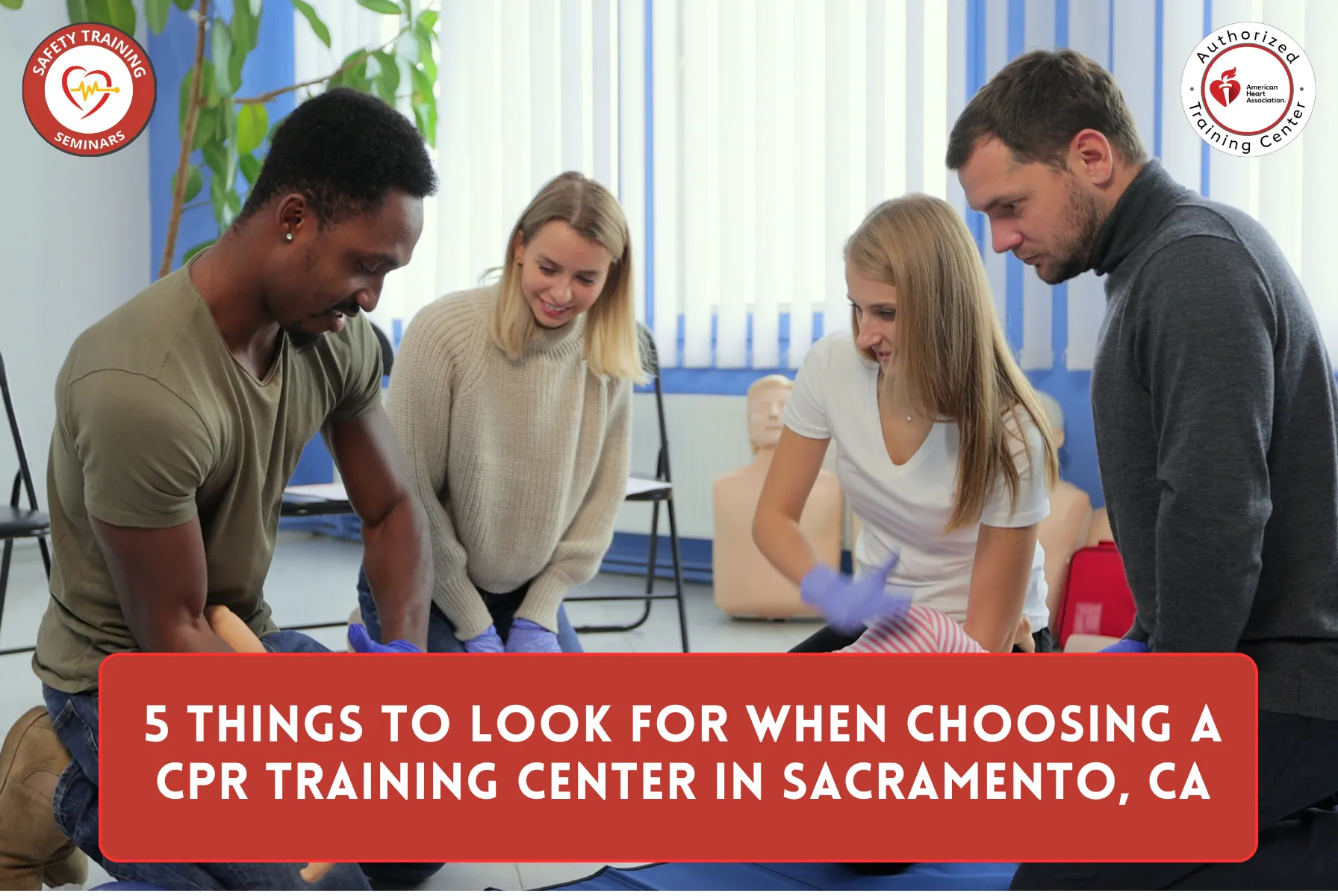
- Obtain basic First Aid, CPR, and, if possible, BLS training—knowing how to respond can truly save lives.
- Include:
- Bandages, antiseptic, gauze, tape, and pain relievers in your First Aid kit.
- Items for advanced First Aid, such as a pocket mask for rescue breaths, if trained.
- Encourage all family members or colleagues to get certified, so someone always knows how to help and how to save when every second counts.
Sheltering in Place vs. Evacuating
- Know when to shelter in place and when to evacuate:
- Shelter in place: Choose a safe, interior room with no windows. Bring the emergency kit, lock doors, turn off fans or AC, and monitor updates.
- Evacuate: Follow your established exit routes, take your go-bag and pets, turn off utilities if trained, and head to your meeting point.
- Outlining these protocols prevents hesitation and confusion during real emergencies.
Review, Practice, and Update Your Plan Regularly
- Review your EAP at least once a year; update emergency kits, replace expired items, and test batteries.
- Practice the plan through family or workplace drills—walk evacuation routes and check meeting procedures.
- Update the plan with life changes: a move, a new family member, or changes in contact and medical information.
- Regular rehearsals strengthen confidence and muscle memory, making it easier to respond effectively under pressure.